South African prelate asks US citizens to defend ‘compassion’ for Africa


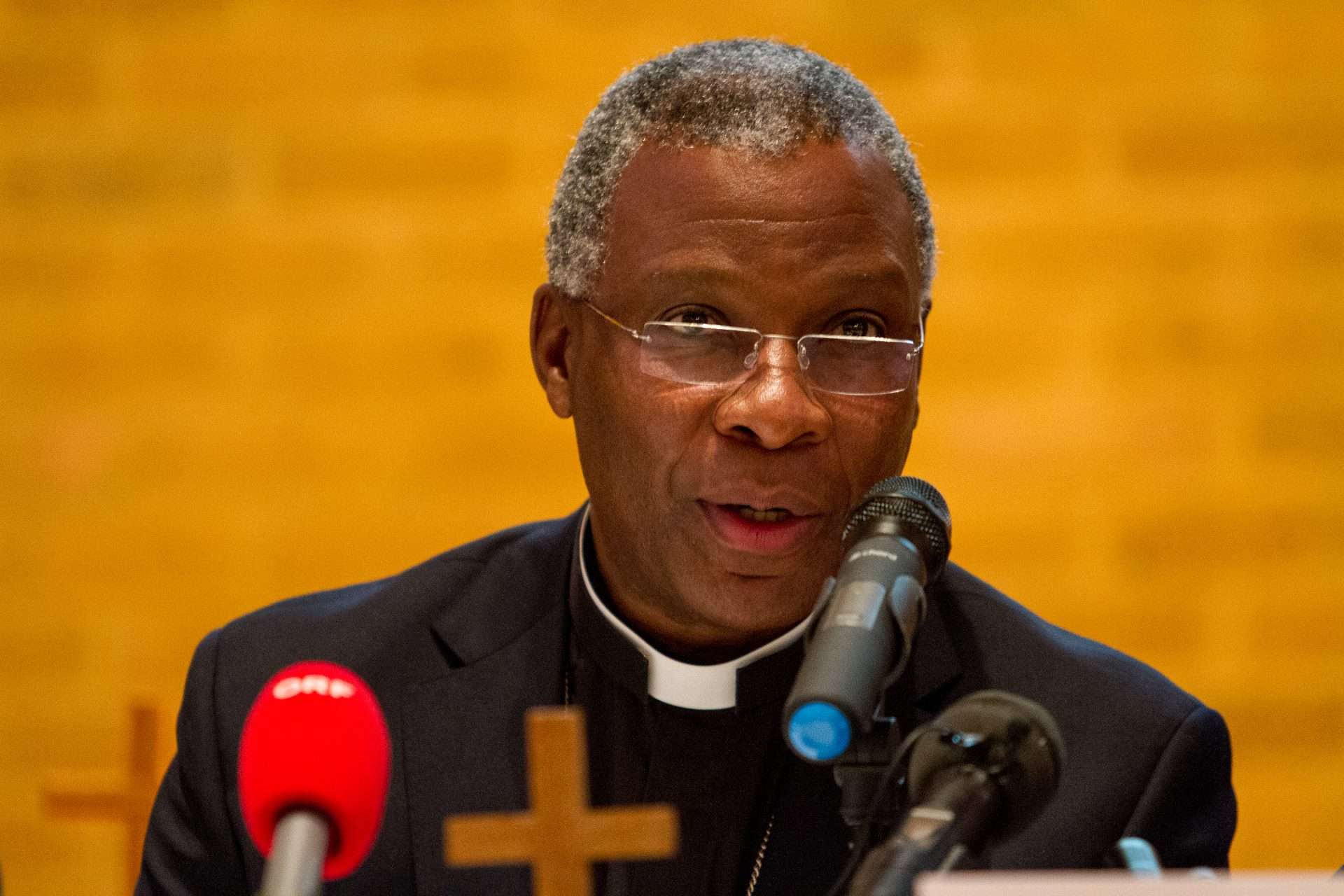
The Anglican Archbishop of Cape Town Thabo Makgoba said he commented on the USAID cuts because of the South African-born Elon Musk’s involvement.
Anglican Communion
Archbishop Thabo Makgoba said the Pepfar and Agoa programmes were ‘the most remarkable examples in our generation of American empathy and compassion for the poor and vulnerable of Africa’.
The leader of the Anglican Church in Southern Africa issued an urgent appeal to the US to save two programmes crucial for economic development and healthcare across the African continent.
In an address at a gala dinner in New York last week, Archbishop Thabo Makgoba of Cape Town warned that 2025 could become an “historical watershed” in relations between the US and Africa, with two landmark initiatives facing uncertain futures after the Trump administration’s funding cuts – Pepfar (the President’s Emergency Plan For AIDS Relief) and Agoa (the African Growth and Opportunity Act).
“I would normally hesitate to comment on the affairs of another country, but in this instance I am making an exception, since the person involved was born and spent many of his formative years in apartheid South Africa,” Makgoba said. “I was distressed to read recently the transcript of an interview given by the billionaire entrepreneur Elon Musk … where he said, and I quote: ‘The fundamental weakness of Western civilization is empathy.’”
Makgoba appealed to Americans “to intervene” with their public representatives, asking them to oppose the cuts to Pepfar and Agoa “which have constituted the most remarkable examples in our generation of American empathy and compassion for the poor and vulnerable of Africa”.
Across the continent, Catholic humanitarian institutions have sought new sources of income as the Trump cuts combined with declining donations from western countries threaten their future.
“For years, Europe has been our primary source of support, but now, it has little to offer,” said Bishop Barthélemy Yaouda Hourgo of Yagoua, in northern Cameroon. “First, there are fewer Christians. Churches are empty, offerings have dwindled, and requests for Mass have declined. Financial aid has virtually disappeared.”
Cuts to USAID and other development agencies compounded the problem. Archbishop Andrew Nkea Fuanya of Bamenda, in the North West region, said that many Church programmes that depended on USAID had almost folded, leaving thousands of people unemployed.
“We are searching for ways to sustain ourselves,” Hourgo told The Tablet. In dioceses such as Buea in Cameroon’s South West region, micro-finance institution have been set up as a means of generating funds for projects. Others have embarked on such income-generating activities as agriculture or hall rentals.
Archbishop Hourgo insisted that the hardships caused by the cuts would not halt the Church’s work. “Despite these hardships, the Church does not belong to an individual – it belongs to God. That is why it has endured for 2,000 years,” he said.
Does Trump’s ‘America First’ clash with Catholic teaching?
Stay updated — add us as a preferred news source on Google:


Help us keep The Tablet’s voice independent, clear and far-reaching.
Founded in 1840, The Tablet is the leading independent English-language Catholic weekly, celebrated for great writing, astute analysis, brilliant arts and books reviews and trustworthy reporting from correspondents in Britain, Ireland, Rome and across the world.
Independent, high-quality journalism is at the heart of what we do. The Tablet does not have deep pockets and we are not funded by rich donors. If you appreciate our work please consider supporting The Tablet’s Development Fund. It only takes a moment and you can cancel at any time.
- Support with £5 per month
- Support with £10 per month
- Support with other amount.

MOST READ ARTICLES
-
1
Pope returns to Vatican after hospital discharge
-
2
Diverse schools that are 100 per cent Catholic
-
3
Under endless skies
-
4
Battling confession fatigue
-
5
Nigerian bishop scorns suggestion of running in presidential election
-
6
Schismatic Spanish nuns strip contents of convent before eviction
FROM THE EDITOR'S DESK


