Bishops welcome Burnham’s palliative care pledge


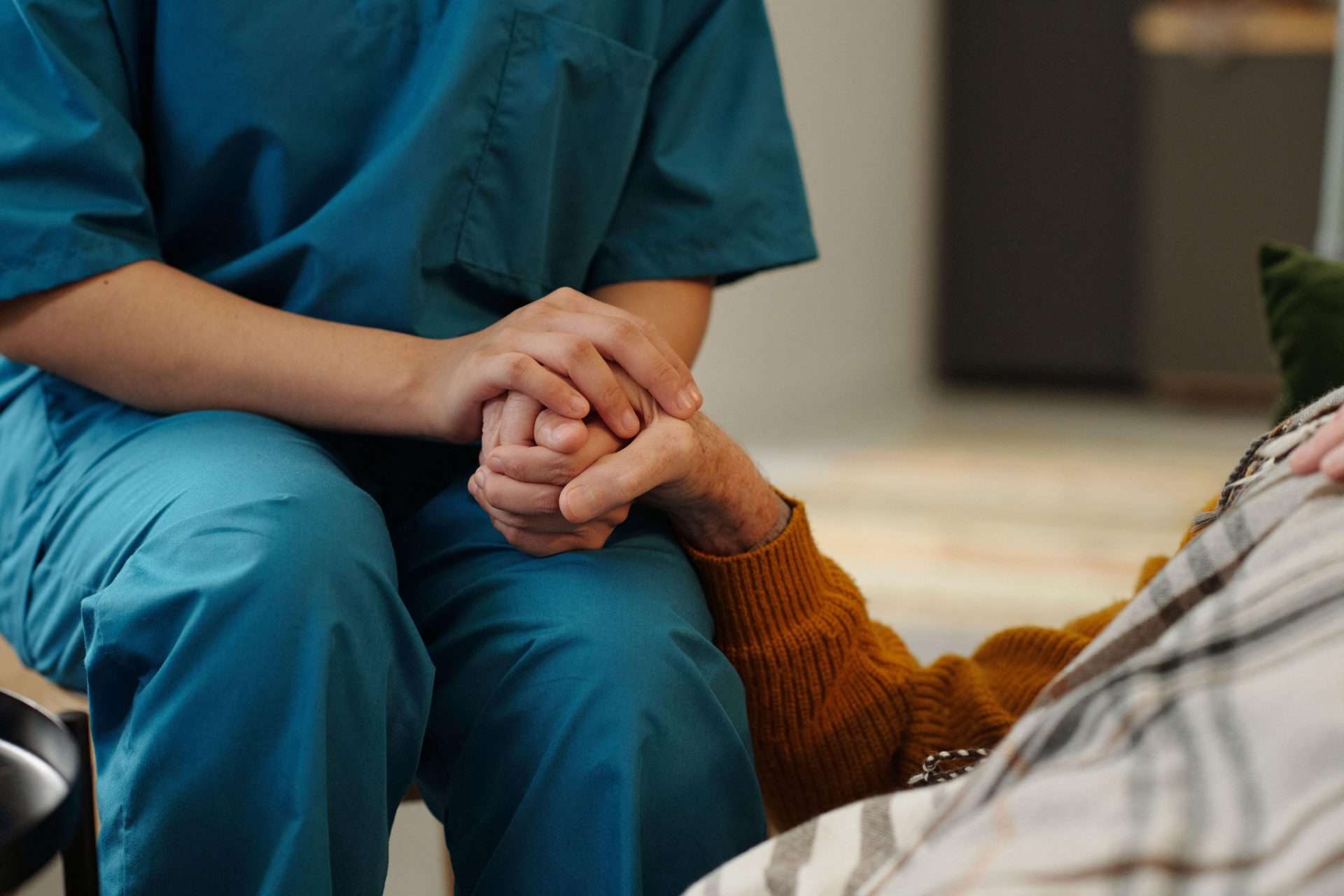
Dmitriy Shironosov, Alamy
‘No one should ever feel driven towards assisted suicide because they lack the care, support or dignity they need,’ said Bishop of Paisley John Keenan.
Prime minister Andy Burnham said the funding of palliative and social care should be “fixed” before assisted dying is considered in England and Wales.
“I think it is very challenging to introduce that wider debate in a context of people not receiving that care and having the peace of mind about that care,” Burnham said.
Burnham has proposed creating a National Care Service and said that carers should be among the best paid people in society, not the worst.
Archbishop of Liverpool John Sherrington, lead bishop for life issues for the bishops of England and Wales, said Burnham’s statements on care were “highly significant” in the run up to the second reading of the assisted dying bill in September.
“We have consistently called for meaningful investment in palliative and end of life care as an appropriate focus to uphold the dignity of all at the end of life and opposed a bill seeking to legalise assisted suicide,” Archbishop Sherrington said.
“People who are dying are vulnerable and need compassionate care and spiritual accompaniment until their last breath.
“This level of care can be found in many Catholic care homes and hospices, but the sector remains woefully underfunded and there is an existential threat to these places of compassion and care should this legislation be passed.”
He urged parliamentarians to vote against the bill on 11 September and to “work together to ensure that our palliative and social care services can be held up as examples of truly dignified care at the end of life for all”.
Archbishop of Southwark John Wilson said that although funding for palliative and social care is “desperately needed”, there will “never be any moral justification for introducing legislation which will intentionally and directly result in the deaths of so many people”, cautioning against Burnham’s framing of the care pledge as a preliminary to discussing assisted suicide.
“Whatever language those campaigning for assisted suicide may use, the terrible truth remains unchanged: should this proposal become law, grandparents, mothers, fathers, daughters, and sons will die believing there is no possible alternative, no chance of being cared for and loved until their natural death,” Archbishop Wilson said.
He also said it is “not purely a religious issue”: “It is a question about the kind of society in which we wish to live. The choice is stark.
“Do we want to value each person’s life, especially when they become vulnerable through serious illness or disability? Or do we want to create a culture where killing is a better option than caring?”
Bishop John Keenan, lead bishop for marriage, family and life for the Scottish bishops’ conference, also welcomed Burnham’s call to address the gaps in palliative and social care.
“We have a duty to ensure that every person approaching the end of life has access to the compassionate palliative and social care they deserve,” Bishop Keenan said.
“We were grateful that the Scottish Parliament resolutely rejected assisted suicide only recently. We hope this latest intervention will encourage members of the Westminster Parliament to reflect carefully before taking a step that would fundamentally change the way our society cares for the sick and vulnerable.
“This is an opportunity to rethink the whole approach to assisted suicide. The compassionate response to suffering is never to help people end their lives, but to ensure they receive the high-quality care, love and accompaniment they need.
“Let us pray for all who are seriously ill, for their families and carers, and for those in public office, that they may always uphold the dignity of every human life and work to build a society that truly cares for its most vulnerable members.”
Bishop of East Anglia Peter Collins warned that the bill “leaves many matters unresolved regarding its practical application and its profound implications for those who are disabled or vulnerable”.
“Rather than any consideration of assisted suicide, our society should surely be addressing the need to establish and resource a universal provision of palliative care across the country,” he said.
He said this issue “necessarily concerns everyone”, not just Christians: “although faith provides special light and strength, this question arises in every human conscience which seeks the truth and which cares about the future of humanity”.
Bishop of Shrewsbury Mark Davies said, “As Christians we oppose medical killing in principle. The sanctity of human life is one of the great gifts which Christianity brought to human civilisation.”
He said the bill threatens the most vulnerable and that we must instead call for adequate provision of palliative care to protect the dignity of every human life, seen in “the wonderful work of our hospices”.
Stay updated — add us as a preferred news source on Google:


Help us keep The Tablet’s voice independent, clear and far-reaching.
Founded in 1840, The Tablet is the leading independent English-language Catholic weekly, celebrated for great writing, astute analysis, brilliant arts and books reviews and trustworthy reporting from correspondents in Britain, Ireland, Rome and across the world.
Independent, high-quality journalism is at the heart of what we do. The Tablet does not have deep pockets and we are not funded by rich donors. If you appreciate our work please consider supporting The Tablet’s Development Fund. It only takes a moment and you can cancel at any time.
- Support with £5 per month
- Support with £10 per month
- Support with other amount.

MOST READ ARTICLES
-
1
Pope returns to Vatican after hospital discharge
-
2
Diverse schools that are 100 per cent Catholic
-
3
Under endless skies
-
4
Battling confession fatigue
-
5
Nigerian bishop scorns suggestion of running in presidential election
-
6
Schismatic Spanish nuns strip contents of convent before eviction
FROM THE EDITOR'S DESK


