Lent reminds us of our whole life’s quest: to set our hearts on God



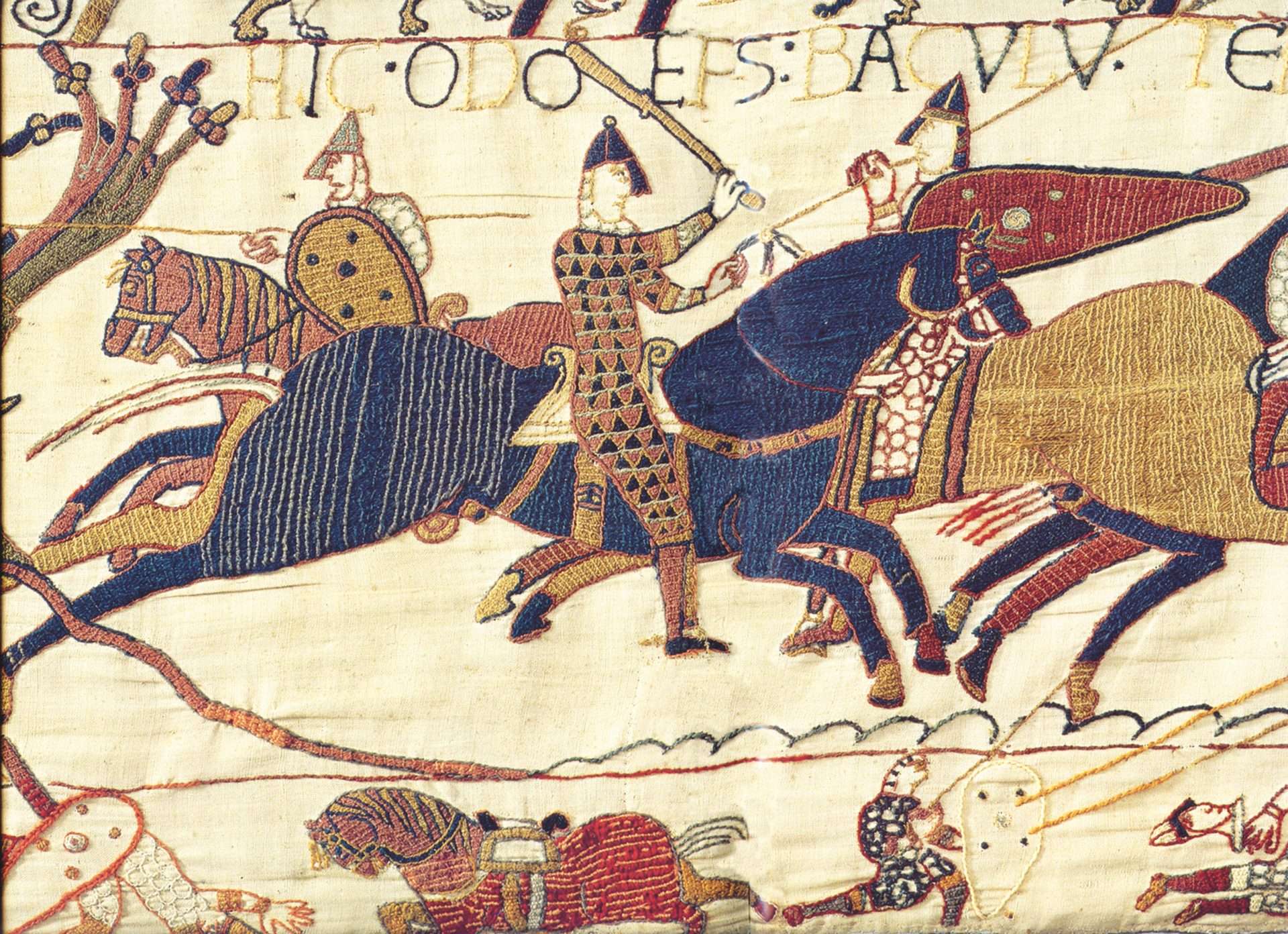
The Temptation of Christ (Anonymous, 16th century)
LENT 1A | 22 FEBRUARY 2026 | MATTHEW 4:1-11
The ashes daubed on our foreheads on Ash Wednesday were a sobering reminder that our death is not only inevitable but necessary. But they were also a reminder of a death that is neither inevitable nor necessary: namely, the death that results from those “deadening acts” that St Paul calls our sins. When we sin, we buy into an illusion of self-sufficiency, the same illusion that Satan puts before Jesus in today’s gospel. The ashes on Ash Wednesday were an outward expression of our desire to flee fantasy in favour of reality, and reality’s source, God. They were a mark of repentance.
Repentance, of course, is often associated more with fear of punishment than desire for God. St Thomas Aquinas thought that fear never leads to genuine repentance, repentance from the heart, that is, especially not fear of divine punishment. For one thing, he believed that we are punished even now not for but by our sins. For another, he thought that if God can be said to be “displeased” by our sins, it can only be because, by them, we do ourselves harm. Such harm as our sins do, can be repaired only by God’s grace, not our own efforts: only God can restore what he has given. Again, over time, fear can be dulled and guilt cloaked. Hence, St John Climacus, the 6th century Syrian monk, says that to define repentance in terms of fear and guilt alone is to empty it of meaning.
Repentance from the heart, genuine repentance, arises from the realisation that our sins are futile, that they never yield what they promise. However strong its allure, sin never leads us to where we really want to be: according to Aquinas, to sin is to act irrationally, to act against “right reason”, against our own and everybody else’s real interest. Sin, in other words, makes no sense. Repentance, on the other hand, is the realisation that our real needs and our real desires are not served by our sins. Sin is as much regression as transgression.
Although it happens but once a year, Lent brings into relief our perennial, lifelong need of repentance. The first step in repentance is to acknowledge that our hearts are not where we want them to be. In the Bible, rejection of God is often said to be “hardness of heart”, whereas the faithful heart is said to be “set” on God. In Ezekiel’s prophecy, God promises to replace our “heart of stone” with a ‘heart of flesh’. Lent reminds us of our whole life’s quest, namely, to set our hearts on God, not from obedience or fear, but because he alone answers our deepest desire and our greatest need.
In distracting us from what we really want and what we really need, our sins leave the heart empty. But emptiness in the heart is harder to bear than anything else; and so, irrationally, we fill our hearts with what we know will never satisfy them. And all the while we leave our real needs untended and unfulfilled and are then, inevitably, miserable, restless, and unhappy.
Lenten penance is meant to remind us that there is a space within all of us that can be filled only by God, a space which must be kept free at all costs. Just as we weed a garden to make space for the things we want to grow, so we deny ourselves some undeniably good things, to remind ourselves of the Goodness that is the source of all the good things we prize.
And finally: too often, we think of Lent as a time for effort, albeit of a “spiritual” kind (whatever that might be). But success in such effort exposes us to the risk of becoming like the Pharisees as depicted in the gospel. The way to avoid that trap is to remember that God doesn’t want either the best or the worst of our endeavour: He wants us. If to sin is to exclude God in favour of some infantile delusion that there is something we need more than Him, then to repent is to hear deep within ourselves the voice of sanity: “It is not this I want, Lord, but You”.

Help us keep The Tablet’s voice independent, clear and far-reaching.
Founded in 1840, The Tablet is the leading independent English-language Catholic weekly, celebrated for great writing, astute analysis, brilliant arts and books reviews and trustworthy reporting from correspondents in Britain, Ireland, Rome and across the world.
Independent, high-quality journalism is at the heart of what we do. The Tablet does not have deep pockets and we are not funded by rich donors. If you appreciate our work please consider supporting The Tablet’s Development Fund. It only takes a moment and you can cancel at any time.
- Support with £5 per month
- Support with £10 per month
- Support with other amount.

MOST READ ARTICLES
-
1
Pope Leo diagnosed with lung cancer after operation
-
2
Breaking up … for now
-
3
The Tablet Lecture 2026: Keeping the dream of peace alive
-
4
A tiny gem
-
5
Vatican confirms Pope’s Latin America travel plans despite operation
-
6
Archbishop bars Catholics from firing squad for US military execution
FROM THE EDITOR'S DESK