Pilgrims reflect on ‘terror’ in Middle East after evacuation from Holy Land


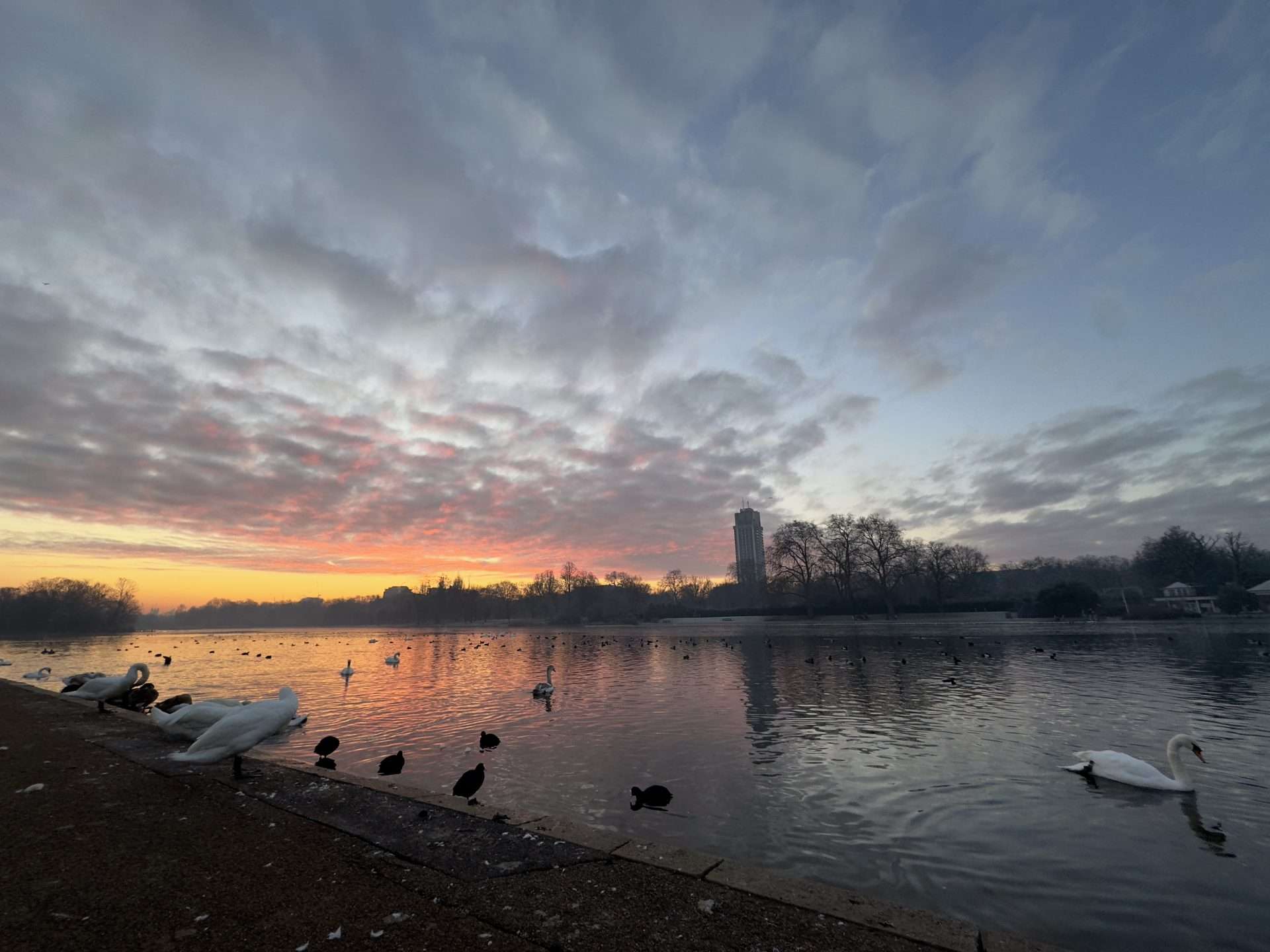
'Beyond the river and this Biblical scene of refuge lay Israel, whose government, unknown to us then, was to share in the disruption of our pilgrimage by its attack on Iran,' said Gillian, one of the pilgrims.
artaxerxes_longhand/Alamy
‘The conflict in the Middle East will inevitably cause another wave of refugees, trying to find their own safe passage,’ reflected pilgrimage leader Revd Andrew Nunn. ‘They will be despised and demonised whereas we were welcomed and supported.’
A group of pilgrims who were evacuated back to the UK on 5 March from their pilgrimage in Jordan have shared their experience of the “terror” of hearing the jets flying overhead as the US and Israel began their attacks on Iran.
Gillian, one of the pilgrims, recalled, “I do not sleep well generally, and on the night of 2 March, at a Jordanian desert camp site, l slept not at all.
“The two-day old US and Israeli attack on Iran seemed at a zenith. All night long jets, apparently flying low and close, thundered over and around us. I felt vulnerable for the first time.
“In my desert night of terror, I reminded myself of our prayers in the pastoral landscape and felt steadied. Thankfully the dawn came, and we began our flight of two days, away from war, across the Red Sea, through Sinai, on to Cairo and finally home.”
“We’d already stood on the banks of the Jabbok River thinking of Jacob’s night wrestling with God,” said Revd Andrew Nunn, the group leader. “What we hadn’t realised that as a pilgrimage group we would be wrestling with the reality of the world.
“We were in a safe space. Jordan is respected for being an honest broker in the midst of often warring neighbours. But set where it is, it’s liable to suffer the fallout of what is going on around.”
Jan, another pilgrim, said that she was “amazed” to hear sirens in Petra before the attack on Iran on 28 February and that they seemed to be ignored by the general public outside. It was when they reached Wadi Rum that the group received a plan for evacuation via Egypt.
“It’s in those moments when you’re trying to make sense of what is happening that the words of scripture come to mind,” said Revd Nunn.
“It was as we headed south from Wadi Rum instead of heading north to continue our pilgrimage through Jordan, that the words of the writer of the Letter to the Hebrews came to mind: ‘[Abraham] set out, not knowing where he was going.’
“We had no option but to take flight into Egypt, to cross the Red Sea, to travel through Sinai, to tread the path trodden by the Holy Family seeking refuge and a safe place, to reflect something of the wanderings of the children of Israel in that harsh, often unforgiving environment.
“We were well supported. People were working on a safe passage out; visas had been obtained; ferry tickets purchased; seats on planes booked; hotel rooms secured. We were OK, stressed, anxious but OK.”
Jan said, “The next day a propellor aircraft took us to Cairo airport, and then via various interesting traffic jams to a hotel for the night, which was very comfortable. The next day we were able to eventually board a British Airway flight to London Heathrow and home, via an amazing sunset.”
“Naturally though, as a pilgrim group our thoughts turned to those who had no one looking after them, none of the resources that we had available to us,” Revd Nunn continued.
He emphasised the deep injustice whereby foreigners from some countries can be evacuated to safety, while locals lose everything: “The conflict in the Middle East will inevitably cause another wave of refugees, trying to find their own safe passage and some will resort to boats, large or small, to cross seas and channels.
“They will be despised and demonised whereas we were welcomed and supported.”
Martin Adams, the director of McCabe pilgrimages, said, “After more than 40 years in business, we are well experienced in caring for our pilgrims during moments of upheaval overseas. However, there is always apprehension when something like the recent strikes on Iran occurs while a group is nearby.
“As a Christian pilgrimage operator, we aren’t strangers to upheaval in the Middle East. We have a responsibility to keep people safe and to make the right decisions at the right time.”
Stay updated — add us as a preferred news source on Google:


Help us keep The Tablet’s voice independent, clear and far-reaching.
Founded in 1840, The Tablet is the leading independent English-language Catholic weekly, celebrated for great writing, astute analysis, brilliant arts and books reviews and trustworthy reporting from correspondents in Britain, Ireland, Rome and across the world.
Independent, high-quality journalism is at the heart of what we do. The Tablet does not have deep pockets and we are not funded by rich donors. If you appreciate our work please consider supporting The Tablet’s Development Fund. It only takes a moment and you can cancel at any time.
- Support with £5 per month
- Support with £10 per month
- Support with other amount.

MOST READ ARTICLES
-
1
The Tablet poem
-
2
Battling confession fatigue
-
3
Pope Leo announces operation to remove growth in lung
-
4
Catholic Social Teaching and universities
-
5
Nigerian first lady suffered death threat for practising Christian faith
-
6
New TV broadcast reopens Belgian Church’s abuse wounds
FROM THE EDITOR'S DESK