Lancashire church recognised for architectural and historic importance


Architectural History Practice
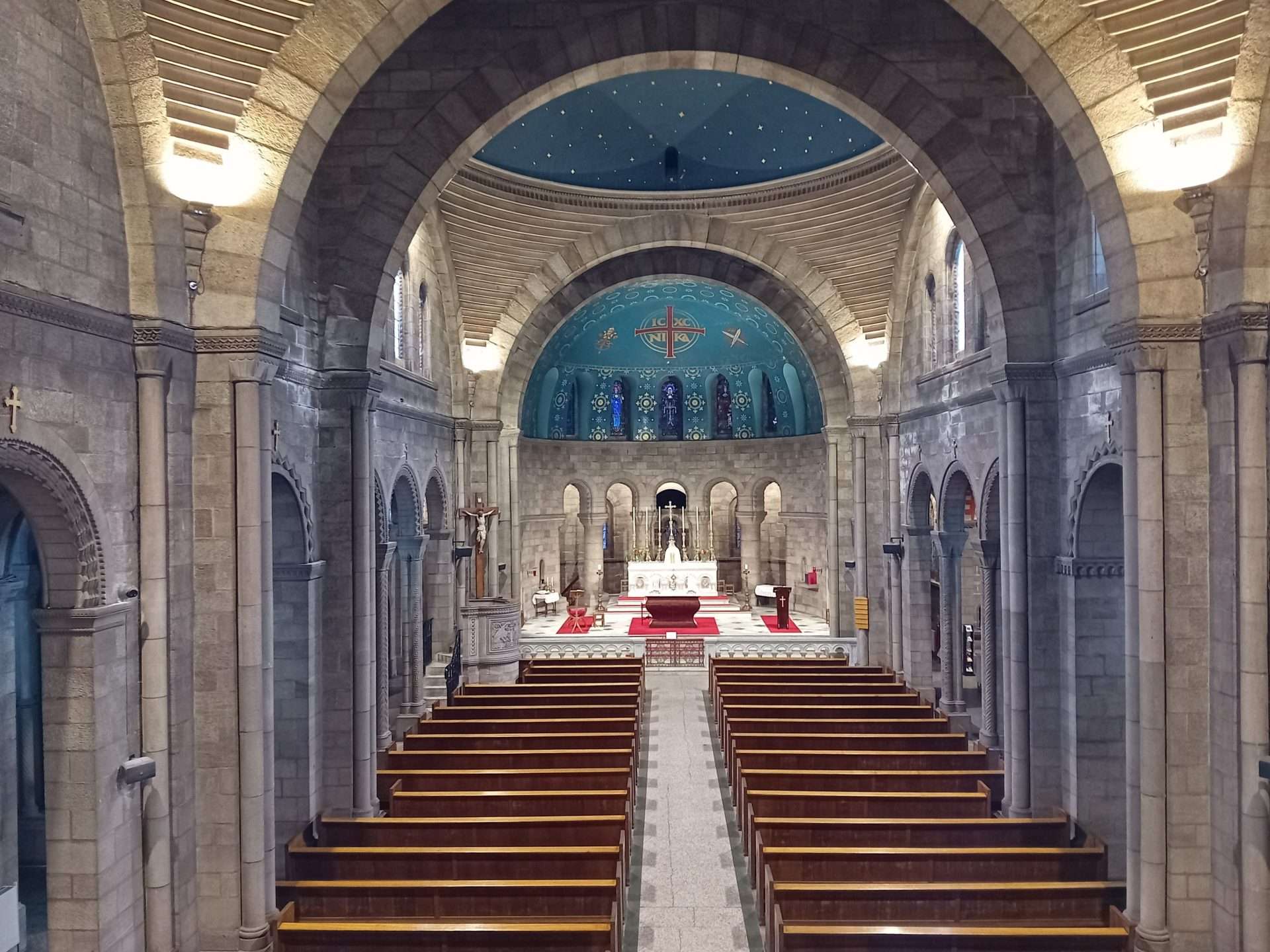
The Catholic church in Ashton-in-Makerfield, home to the shrine of the Lancashire martyr priest, St Edmund Arrowsmith, has had its listing upgraded in recognition of its historic and architectural importance.
The decision, published by Historic England on 29 May, is good news for the Catholic community at the church of St Oswald and St Edmund who will mark the 400th anniversary of St Edmund’s martyrdom in 2028.
St Oswald’s, which opened in 1930, is an architectural gem in French Romanesque style by the celebrated architect John Sydney Brocklesby (1879-1955). Stone built with Norman arches and shallow domes, it is regarded as Brocklesby’s finest work.
The architect designed mouldings, capitals, columns and bases for the interior that has survived intact. Other renowned artists who worked on the church include Harry Clarke of Dublin who made the stained glass and the architect F.X. Velarde, who designed St Edmund’s Shrine in the ambulatory.
The forward altar is eighteenth century and is thought to have come from Garswood Hall, home of the Gerards, a recusant family, to whom St Edmund was related through his mother.
The saint was born at Haydock, near Ashton, trained for the priesthood at the English College in Douai, and returned to minister in the Northwest, which remained a Catholic heartland through the penal years. The Gerard family gave land for the church and donated the Holy Hand of St Edmund for his shrine.
Parish priest Fr John Gorman commissioned the Architectural History Practice to apply for the upgrade on the parish’s behalf to win greater recognition for the church and for St Edmund in the run-up to his anniversary. The revised listing will allow the parish to apply for grants for repairs should they be needed in the future.
The battle for St Joseph’s, Brindle
Mosaic to be saved as decommissioned church becomes community art centre
Stay updated — add us as a preferred news source on Google:


Help us keep The Tablet’s voice independent, clear and far-reaching.
Founded in 1840, The Tablet is the leading independent English-language Catholic weekly, celebrated for great writing, astute analysis, brilliant arts and books reviews and trustworthy reporting from correspondents in Britain, Ireland, Rome and across the world.
Independent, high-quality journalism is at the heart of what we do. The Tablet does not have deep pockets and we are not funded by rich donors. If you appreciate our work please consider supporting The Tablet’s Development Fund. It only takes a moment and you can cancel at any time.
- Support with £5 per month
- Support with £10 per month
- Support with other amount.

MOST READ ARTICLES
-
1
Archbishop of Cardiff-Menevia meets with other worldwide Catholic Church leaders to discuss liturgy
-
2
Let there be light
-
3
World Humanitarian Day: aid workers face a ‘crisis of protection’
-
4
Ruling allows French private hospitals limited exemption from assisted suicide
-
5
A tract for our times
-
6
The wisdom of the saints
FROM THE EDITOR'S DESK