DRC Church urges respect for hygiene measures after Ebola outbreak


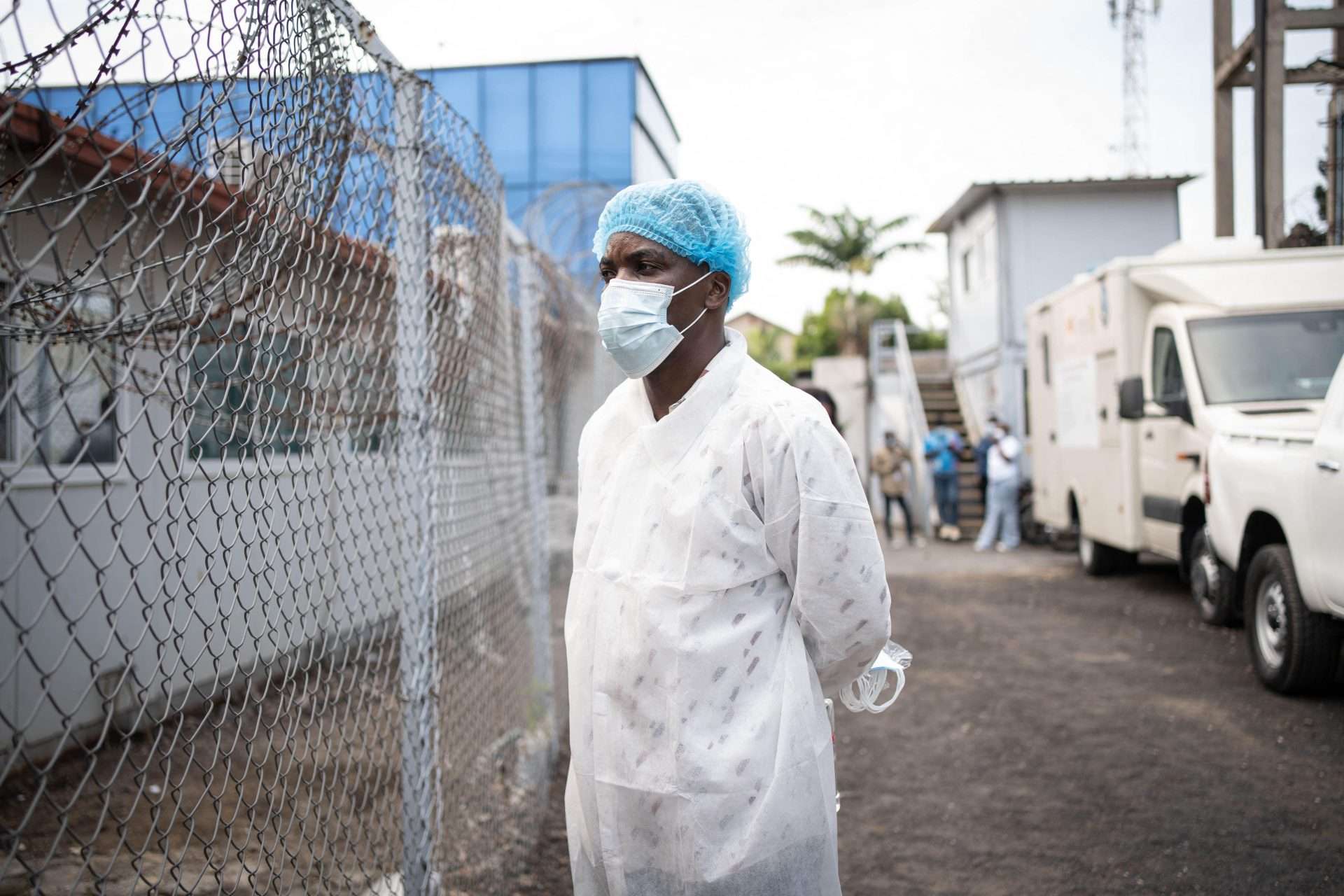
A medical worker at an Ebola isolation station in Goma
Xinhua / Alamy
Experts warn the number of cases may exceed 1,000 as the virus spreads from remote Ituri province to major population hubs including Goma and neighbouring Uganda.
Religious in the eastern Democratic Republic of the Congo report “agitation and fear” following a deadly outbreak of the Bundibugyo strain of Ebola,
On 15 May, the authorities in the Democratic Republic of Congo (DRC) announced its seventeenth Ebola outbreak following confirmed cases in Ituri Province.
Containment efforts have been hampered by the region’s instability, including conflict, displacement, food insecurity and a critical lack of healthcare access.
There is no licensed vaccine for the Bundibugyo strain of Ebola. The World Health Organisation said this week that at least 139 people have died in the DRC and Uganda, while 35 further cases have been confirmed and more than 600 suspected cases recorded.
Experts warn the true figure may exceed 1,000 cases as the virus spreads from remote Ituri province to major hubs including Goma and neighbouring Uganda.
The cross-border spread led Uganda’s President Yoweri Museveni to postpone the annual Martyrs’ Day celebrations, a large Catholic pilgrimage originally scheduled for 3 June, to prevent further transmission.
Sr Rolande Kyakimwa of the Oblates of the Assumption said the decision, though necessary, has distressed thousands of pilgrims who had already prepared for the journey.
Catholic bishops in Uganda encouraged local observances instead, while health officials emphasise strict hygiene and barrier measures to contain the virus in a region already plagued by insecurity and displacement.
Josue Aruna, executive director of the Congolese Civil Society Organisations, Congo Basin Conservation Society, told The Tablet he suspected the virus had been concealed in forests after it was previously thought to be eliminated in the DRC. Mass displacement caused by conflict in the region has forced people to flee into forests, allowing its transmission.
“We must not ignore how often people flee into the forest, increasing their contact with wildlife. This displacement intensifies poaching and human-animal interaction, which could lead to generalised contamination,” Aruna said.
“That is our assessment until scientific hypotheses can fully prove the origin of these new viruses.”
Church leaders in the eastern DRC has urged the population to adopt measures to bar the virus from spreading even further. Bishop Willy Ngumbi Ngengele of Goma introduced strict hygiene measures within church communities.
Caritas groups mobilise amid ‘human calamity’ in DR Congo
The unsung heroes of the Ebola response
Stay updated — add us as a preferred news source on Google:


Help us keep The Tablet’s voice independent, clear and far-reaching.
Founded in 1840, The Tablet is the leading independent English-language Catholic weekly, celebrated for great writing, astute analysis, brilliant arts and books reviews and trustworthy reporting from correspondents in Britain, Ireland, Rome and across the world.
Independent, high-quality journalism is at the heart of what we do. The Tablet does not have deep pockets and we are not funded by rich donors. If you appreciate our work please consider supporting The Tablet’s Development Fund. It only takes a moment and you can cancel at any time.
- Support with £5 per month
- Support with £10 per month
- Support with other amount.

MOST READ ARTICLES
-
1
Pope Leo diagnosed with lung cancer after operation
-
2
The Tablet Lecture 2026: Keeping the dream of peace alive
-
3
Battling confession fatigue
-
4
Vatican confirms Pope’s Latin America travel plans despite operation
-
5
Archbishop bars Catholics from firing squad for US military execution
-
6
Under endless skies
FROM THE EDITOR'S DESK


