St John Henry Newman and the cost of conscience


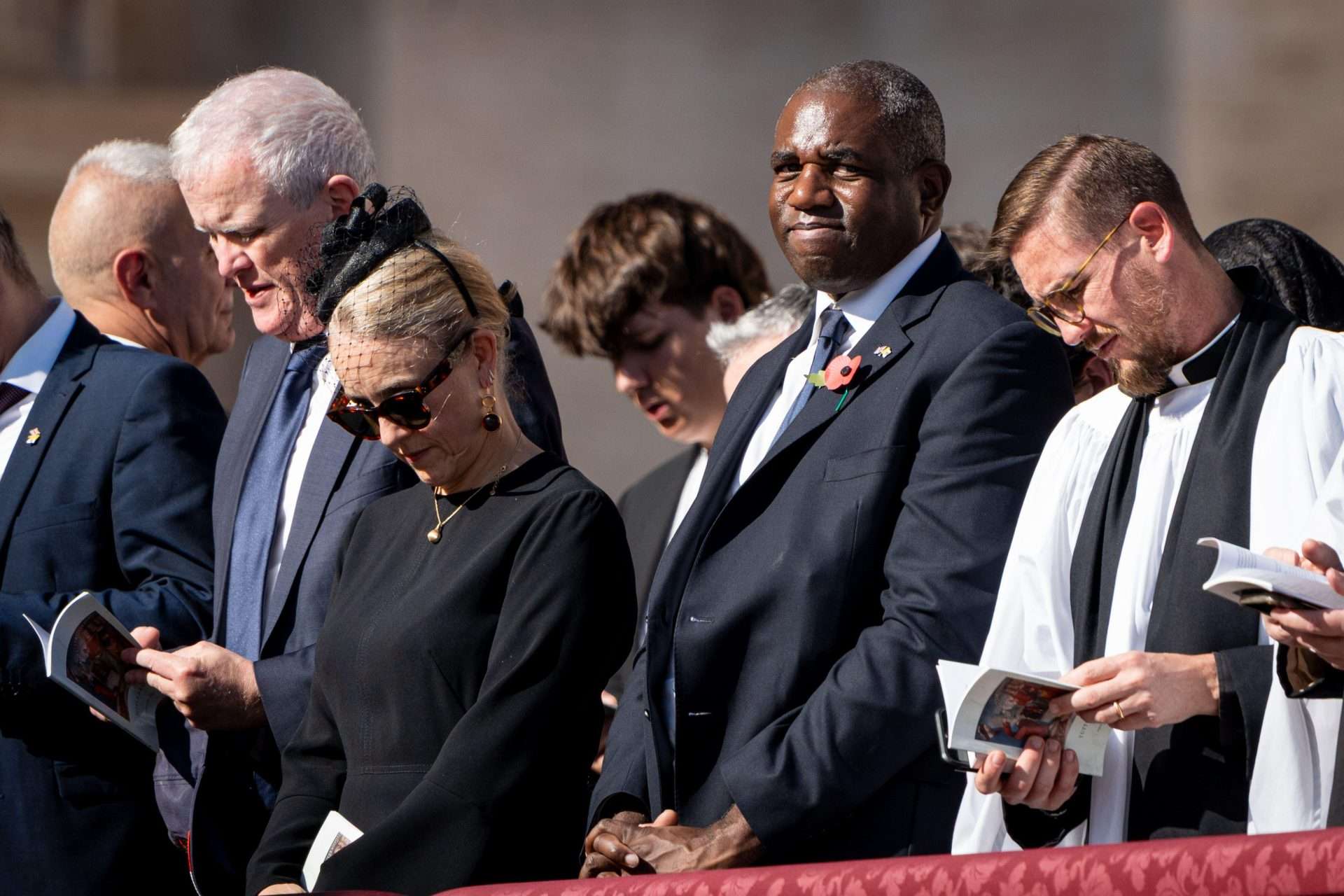
Deputy Prime Minister David Lammy at Mass with Pope Leo XIV on the Jubilee of the World of Education on the Solemnity of All Saints, at which Newman was declared a Doctor of the Church, St Peter’s Square, on 1 November.
SOPA Images Limited/Alamy Live News
In an age of populism and polarisation, writes Deputy Prime Minister David Lammy, St John Henry Newman is a reminder that if politics and public life are to meet the greatest challenges of our age, they must be guided by conscience.
In his spiritual autobiography, Apologia Pro Vita Sua, John Henry Newman writes, “Growth is the only evidence of life.”
Those words still cut through the noise of our age, reminding us that we cannot remain static. We must be moved by our faith through reflection, and never forget that we are called not to comfort, but to the service of others. In Newman’s vision, growth is a lifelong conversion of conscience that must mould both faith and public life.
When Pope Leo XIV declared Saint John Henry Newman the thirty-eighth Doctor of the Church on Saturday 1 November, it was more than a celebration of one man’s brilliance. It was an acknowledgement that his life and contribution to faith continue to shape the moral imagination of our time. In an era when moral certainty is too often mistaken for moral clarity, Newman’s example reminds us that conscience demands humility.
As only the second Englishman after the Venerable Saint Bede to receive the title, this was a bridge between cultures, between nations, and between the past and future. It was also a reminder that our country’s spiritual heritage is a rich tapestry, woven from both Catholic and Anglican threads.
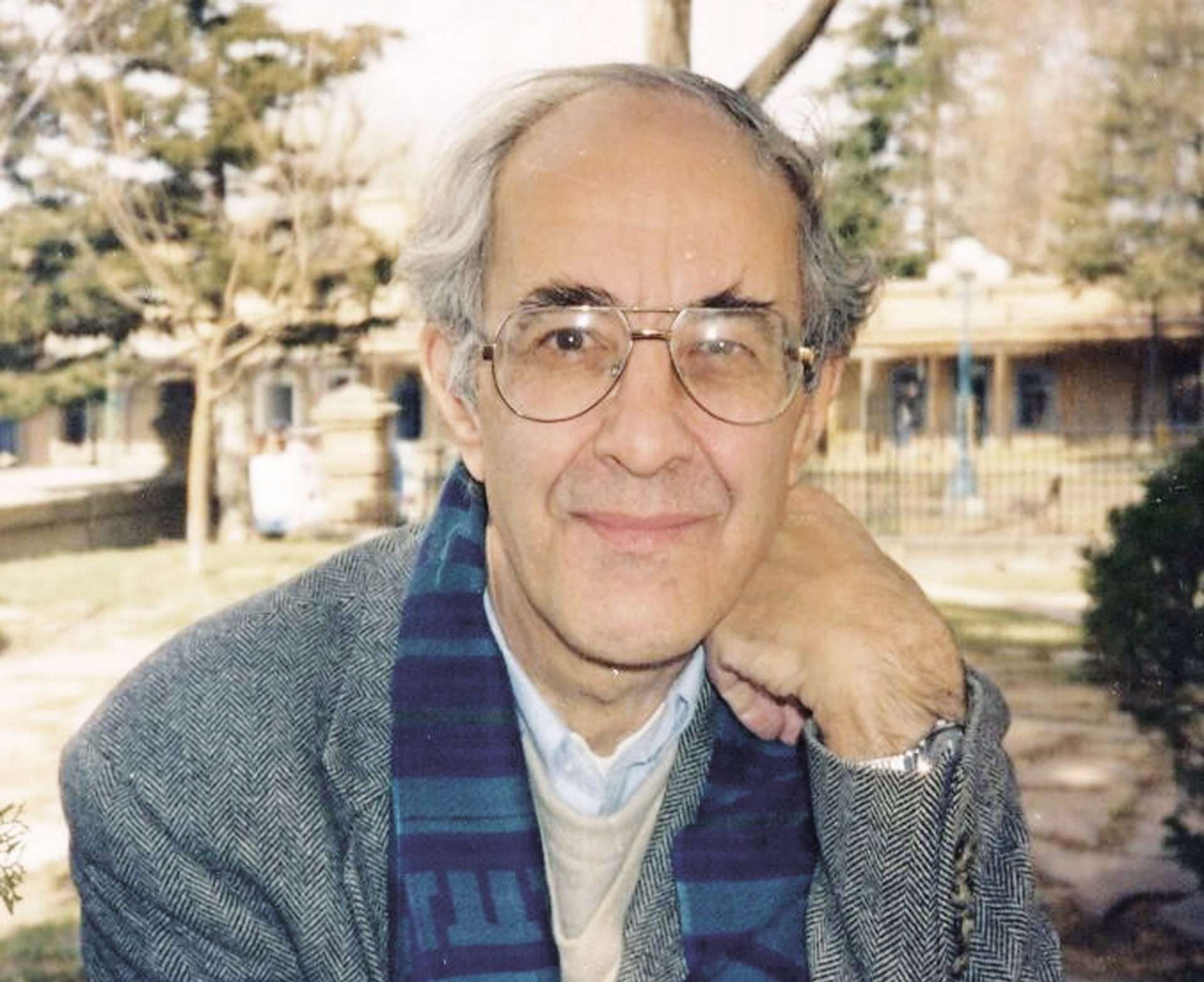
Newman’s journey – from Anglican priest to Catholic cardinal – was marked by intellectual honesty and spiritual struggle. His conversion in 1845 cost him his friends, his position at Oxford, and his place in Britain’s spiritual establishment. Yet it also revealed something essential: that to follow one’s conscience is to risk misunderstanding, and that integrity often requires sacrifice.
For me, as a Christian formed as an Anglo-Catholic within the Church of England, Cardinal Newman has always resonated. My family has made its life in the tradition that sits astride Rome and Canterbury. It is one that cherishes the sacraments, traditional liturgy, and the rhythm of prayer. Those of us shaped by this part of the Church of England know Newman’s story is one of shared inheritance rather than separation – a reminder that truth, wherever it leads, should never divide those who seek it in good faith.
But his elevation as a Doctor of the Church is also a challenge. He taught that conscience cannot be delegated – that moral formation is the work of every person, and that education, politics and faith all share that duty. This insight should guide us now, when so much of public life feels transactional and superficial. As someone who has spent his career advocating for social justice, Newman’s emphasis on conscience speaks to me. In an age of populism and polarisation, his insistence on moral reflection calls us back to what truly matters – leadership in the cause of what is right and what is just.
Newman’s recognition as a Doctor of the Church comes at a time when the world feels once again divided by ideology and fear. Yet his example reminds us that renewal comes from engaging with our differences, not rejecting them. The strength of the Church – and of our society – lies in their capacity to absorb new perspectives, to adopt that which makes them stronger, yet to remain faithful to truth amid change. That lesson feels profoundly relevant to the challenges we face today – from healing divisions at home to confronting injustices abroad – reminding us that moral growth is the only path to social progress.
The relationship between the United Kingdom and the Holy See reflects that same search for the common good. His Majesty the King’s recent visit to the Holy See – the first time since well before the Reformation five hundred years ago that a British monarch has prayed publicly with a Pope – stands as a powerful symbol of that shared moral purpose. The spirit of conscience-in-action underpins our partnerships today – from tackling climate change to promoting peace and education in conflict zones. These efforts flow from the same conviction that animated Newman’s life: that faith and action must be united in the service of humanity.
Newman once described himself as “a link in a chain, a bond of connection between persons”. That powerful image came alive again last week, as people of faith and goodwill gathered at St Peter’s from all corners of the world to honour him. It reminded me that conscience and compassion still have the power to bridge cultures and renew communities.
As we reflect on his legacy, we should resist the temptation to sentimentalise it. Newman was not a comfortable man and he did not concern himself with making others feel comfortable. His voice was one of moral seriousness and absolute integrity. In an era of instant reaction and moral shortcuts, that challenge is as bracing today as it was in Victorian England. He once wrote, “To live is to change, and to be perfect is to have changed often.” For Newman, change was not about abandoning principles but allowing truth to refine them. Far from being a moment of nostalgia, his elevation as a Doctor of the Church is a mandate: if our politics and public life are to meet the greatest challenges of our age – inequality, conflict, climate – they must again be guided by conscience.
As the Catholic Church celebrates one of Britain’s greatest thinkers, may his life continue to remind us that intellect, conscience, and courage belong together. And may he continue to inspire the growth that is the only evidence of life – in the Church, in public life, and in the ongoing search for justice.
David Lammy MP is Deputy Prime Minister, Lord Chancellor and Secretary of State for Justice. He led the UK government’s delegation at the Mass in St Peter’s Square on 1 November at which St John Henry Newman was declared a Doctor of the Church.
Login
Please login to comment
0 Comments
Oldest

Help us keep The Tablet’s voice independent, clear and far-reaching.
Founded in 1840, The Tablet is the leading independent English-language Catholic weekly, celebrated for great writing, astute analysis, brilliant arts and books reviews and trustworthy reporting from correspondents in Britain, Ireland, Rome and across the world.
Independent, high-quality journalism is at the heart of what we do. The Tablet does not have deep pockets and we are not funded by rich donors. If you appreciate our work please consider supporting The Tablet’s Development Fund. It only takes a moment and you can cancel at any time.
- Support with £5 per month
- Support with £10 per month
- Support with other amount.

MOST READ ARTICLES
-
1
Pope returns to Vatican after hospital discharge
-
2
Diverse schools that are 100 per cent Catholic
-
3
Under endless skies
-
4
Battling confession fatigue
-
5
Nigerian bishop scorns suggestion of running in presidential election
-
6
Schismatic Spanish nuns strip contents of convent before eviction
FROM THE EDITOR'S DESK