The numbers of slavery victims is growing


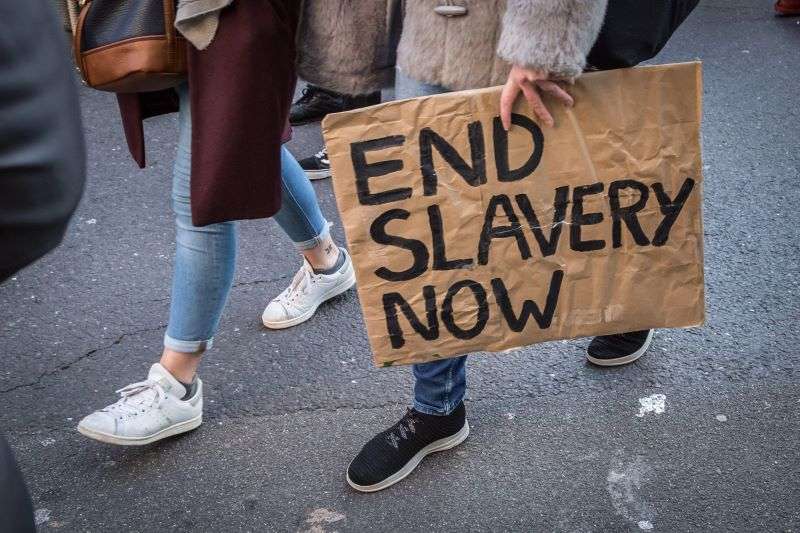
Despite a decade of rhetoric on fighting slavery the number of victims is growing
Guy Corbishley/Alamy
Ten years ago in December 2014 at the Vatican, a gathering of leaders of the great world faiths stood together and signed a joint statement pledging to work together to eradicate modern slavery. The ambition was enormous, the language forceful:
“We, the undersigned, are gathered here today for a historic initiative to inspire spiritual and practical action by all global faiths and people of goodwill everywhere to eradicate modern slavery across the world by 2020 and for all time… We pledge ourselves here today to do all in our power, within our faith communities and beyond, to work together for the freedom of all those who are enslaved and trafficked so that their future may be restored.”
This was in line with consistent Church teaching on this topic. The Catechism explicitly condemns the enslavement of human beings, stating: “It is a sin against the dignity of persons and their fundamental rights to reduce them by violence to their productive value or to a source of profit.”
Pope Francis too has been forthright in his condemnation of modern slavery and calling on the faithful to act to eliminate it. In February to mark the 10th World Day of Prayer and Awareness against Human Trafficking he made a call to action “…to mobilise all our resources in combatting trafficking and restoring full dignity to those who have been its victims,” warning, “If we close our eyes and ears, if we do nothing, we will be guilty of complicity.”
The reality, however, despite the hard work of so many Catholic agencies and champions is that modern slavery seems to be becoming more, not less, prevalent. According to the Global Slavery Index, there are 50 million victims of modern slavery worldwide, up almost 10 million on their estimate from a decade prior.
In the UK the estimated number of victims of slavery has slightly declined over the past decade (from 130,000 to 120,000), but the work to support victims has become increasingly difficult. Catholic charities in this field including Medaille Trust, SJOG, and Caritas Bakhita House have joined with other charities to sound the alarm about legislative changes over the past few years which have undermined support for victims, even as the numbers seeking help are ever increasing (the latest data show an all-time record for referrals of potential victims last year) and becoming significantly more complex.
Those concerns have been borne out in a report released in October by a cross-party House of Lords Select Committee which has warned that victims of modern slavery are now less protected and more vulnerable to exploitation and urged the government to urgently reprioritise safeguarding of victims.
The reality today for frontline agencies is that we urgently need more people to heed the call from the Pope and other faith leaders to step up and help. Volunteers and money are essential, but so too is a wider task of social transformation.
Modern slavery is prevalent for the simple reason that too many of us are prepared to accept abuses of human dignity in exchange for cheaper good and products, or to turn a blind eye to the widespread sexual and criminal exploitation in every town and city in the UK. Political action will only follow if there is a clear demand for change accompanied by changes in behaviour. Anything less and in another ten years’ time I fear we will be reflecting on another decade of strong rhetoric but growing numbers of victims.
Ben Ryan is the deputy chief executive of the Medaille Trust which combats modern slavery
Login
Please login to comment
0 Comments
Oldest

Help us keep The Tablet’s voice independent, clear and far-reaching.
Founded in 1840, The Tablet is the leading independent English-language Catholic weekly, celebrated for great writing, astute analysis, brilliant arts and books reviews and trustworthy reporting from correspondents in Britain, Ireland, Rome and across the world.
Independent, high-quality journalism is at the heart of what we do. The Tablet does not have deep pockets and we are not funded by rich donors. If you appreciate our work please consider supporting The Tablet’s Development Fund. It only takes a moment and you can cancel at any time.
- Support with £5 per month
- Support with £10 per month
- Support with other amount.

MOST READ ARTICLES
-
1
Pope returns to Vatican after hospital discharge
-
2
Diverse schools that are 100 per cent Catholic
-
3
Under endless skies
-
4
Battling confession fatigue
-
5
Nigerian bishop scorns suggestion of running in presidential election
-
6
Schismatic Spanish nuns strip contents of convent before eviction
FROM THE EDITOR'S DESK