Pope’s visit will be ‘crucial moment’ for AI policy, says Unesco


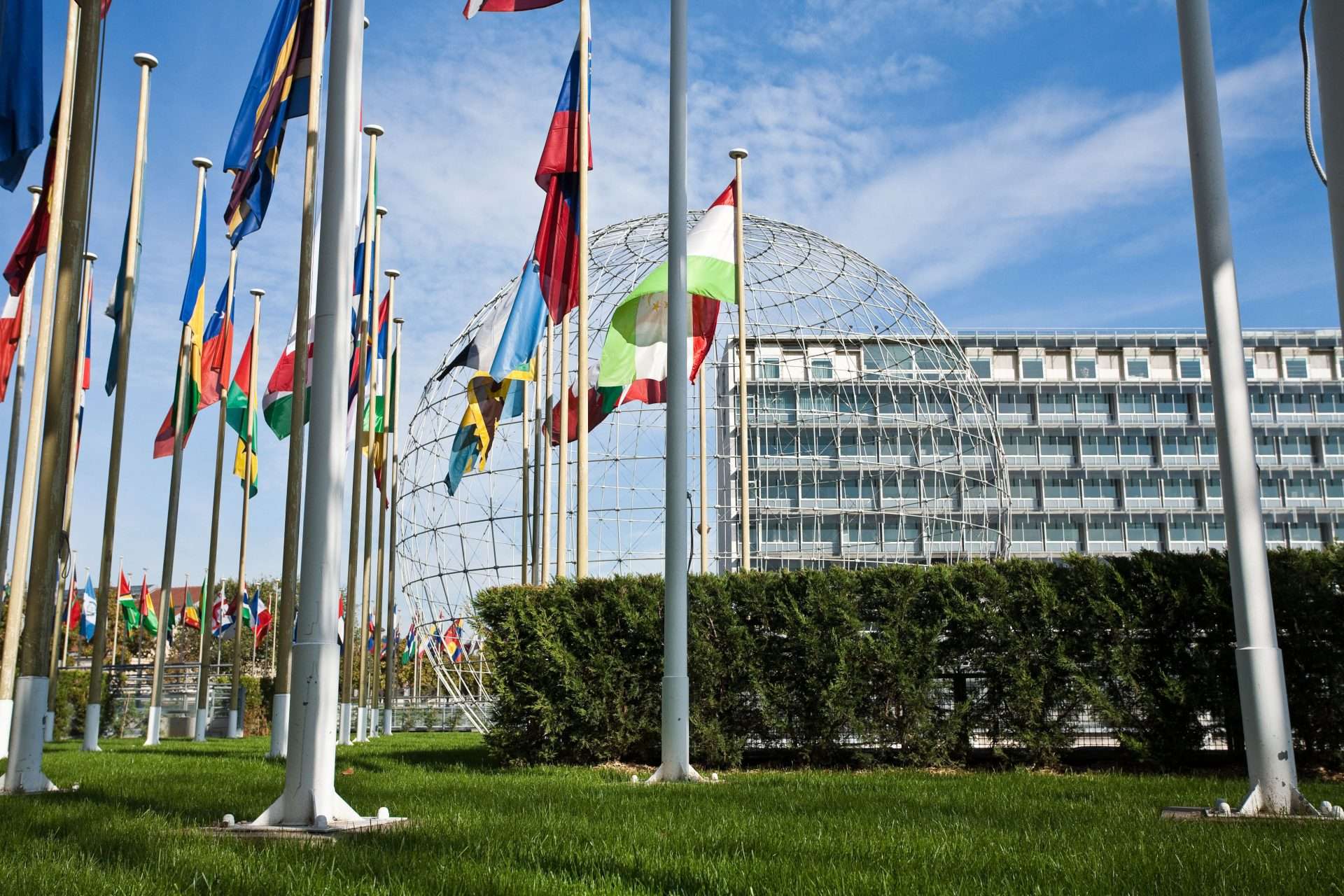
Simon Tranter Photography / Alamy
‘It is a strong reminder that the challenges of today must be addressed by all countries: no country, no matter how powerful, can address them alone. The Pope has been very forthright on that.’
“When we hear the narrative that cooperation is not very important and that states should go their own way, it is very important to recommit to multilateralism.”
The Pope’s visit to the Unesco headquarters is an official visit to Unesco as an international organisation, not part of his visit to France. It will also be his first visit to a UN agency outside of Italy, and his first bilateral visit to a UN agency.
Representatives of all 194 member states will be present in the room, enabling the Pope to address the entire international community, Unesco representatives said in a press conference held on 7 September.
The Pope will visit the historic building to be shown art on the theme of peace and children’s drawings from all over the world.
He will carry out a symbolic gesture calling for peace in the Square of Tolerance, designed by Israeli sculptor Dani Karavan to symbolise the Israeli-Palestinian peace process, with an ancient olive tree surrounded by grass, earth, sand, and water.
“Unesco seeks to build peace with its own tools, and there will be a strong message for peace in the Pope’s visit,” said Guével. “If we understand the other better, we are less inclined to be seduced by hate speech, misinformation and propaganda.”
“There is a growing demand at the global level for more normative action, including policy guidance and frameworks, on AI, and Unesco is uniquely placed to respond. The voice of the Pope is a powerful ally in this endeavour that Unesco is leading.”
A forum for youth in the digital era will be held on the morning of the visit, with conclusions to be presented to the Pope in the afternoon.
The discussion will focus on the question of how artificial intelligence could centre human dignity, human rights, human creativity and human agency.
Mariya Gabriel, Unesco’s assistant director‑general for communication and information, said these questions resonate strongly with the reflections in Magnifica humanitas.
“AI is already part of young people’s everyday lives; how they learn, access information, form opinions and participate in society,” she said.
“Many education systems are struggling to keep up the pace. Too many young people lack the critical skills needed; media information literacy.
“Protecting and empowering young people requires more than bans and prohibitions. They need to become informed and active digital citizens, not just competent users of technology, so we want to hear directly from young people.
“Their expertise and concerns must inform the policies affecting the digital landscape in which they live.
“We are calling for stronger accountability from platforms, transparency from companies, and media literacy skills for all, so that young people can learn, think, participate and flourish.”
Gabriel said Magnifica humanitas resonates with Unesco’s message that AI is a human dignity challenge and should be dealt with at this level.
She said the implications for human creativity will also be discussed: what does authorship mean? How do we safeguard creative freedom? How do we make sure creators are recognised and fairly remunerated?
“We need to safeguard meaningful expression and human imagination remain deeply rooted in the human experience,” she said.
Gabriel also referred to a guide for parents on navigating new technologies released by Unesco in June, and said the Pope’s visit will be another opportunity “to reach parents who fear new technologies and don’t know how to dialogue about it with their children”.
Guével also said the visit of an American Pope is significant after the United States’ withdrawal from Unesco: “The door of Unesco is open to the US to come back in; we are open to all member states of the UN and of the world.
“They were a founding member of Unesco. History will tell if they come back; we really hope so, and we are absolutely confident that the work we do is in their interests and of the American people.”
Guével also said that beyond political membership, Unesco is working extremely strongly with American civil society.
In addition, as an agency dealing with cultures and communities, its work naturally intersects with religion, as many world heritage sites are key religious sites, including the Vatican itself.
Guével continued: “Among all UN agencies, Unesco is equipped to discuss and interact with key opinion leaders and key professions who are at the heart of civil society – not only governments and diplomats.
“Religious leaders are one of them and we are extremely pleased that the head of the Catholic Church is coming to Unesco, as he has such a strong outreach and there is a lot of enthusiasm for this figure.”
The Vatican is a permanent observer to Unesco, and the first ambassador sent to Unesco by the Vatican later became Pope John XXIII.
This will be the first papal visit to Unesco in 40 years, since John Paul II visited. Pope Francis visited the churches and mosques that Unesco rebuilt.
“The relationship is very strong and we are very happy that the visit is adding another building block to it,” Guével concluded.
Pope Leo’s defence of human rights, social justice and multilateral dialogue welcomed
‘The human person risks being reduced to a cog in a machine’: key excerpts of Magnifica Humanitas
Pope Leo to bring ‘moral perspective’ to ‘pluralistic’ France ahead of elections
Stay updated — add us as a preferred news source on Google:


Help us keep The Tablet’s voice independent, clear and far-reaching.
Founded in 1840, The Tablet is the leading independent English-language Catholic weekly, celebrated for great writing, astute analysis, brilliant arts and books reviews and trustworthy reporting from correspondents in Britain, Ireland, Rome and across the world.
Independent, high-quality journalism is at the heart of what we do. The Tablet does not have deep pockets and we are not funded by rich donors. If you appreciate our work please consider supporting The Tablet’s Development Fund. It only takes a moment and you can cancel at any time.
- Support with £5 per month
- Support with £10 per month
- Support with other amount.

MOST READ ARTICLES
-
1
Pope returns to Vatican after hospital discharge
-
2
Diverse schools that are 100 per cent Catholic
-
3
Under endless skies
-
4
Battling confession fatigue
-
5
Nigerian bishop scorns suggestion of running in presidential election
-
6
Schismatic Spanish nuns strip contents of convent before eviction
FROM THE EDITOR'S DESK


