Archbishops ‘deeply disappointed’ by reintroduction of assisted dying bill


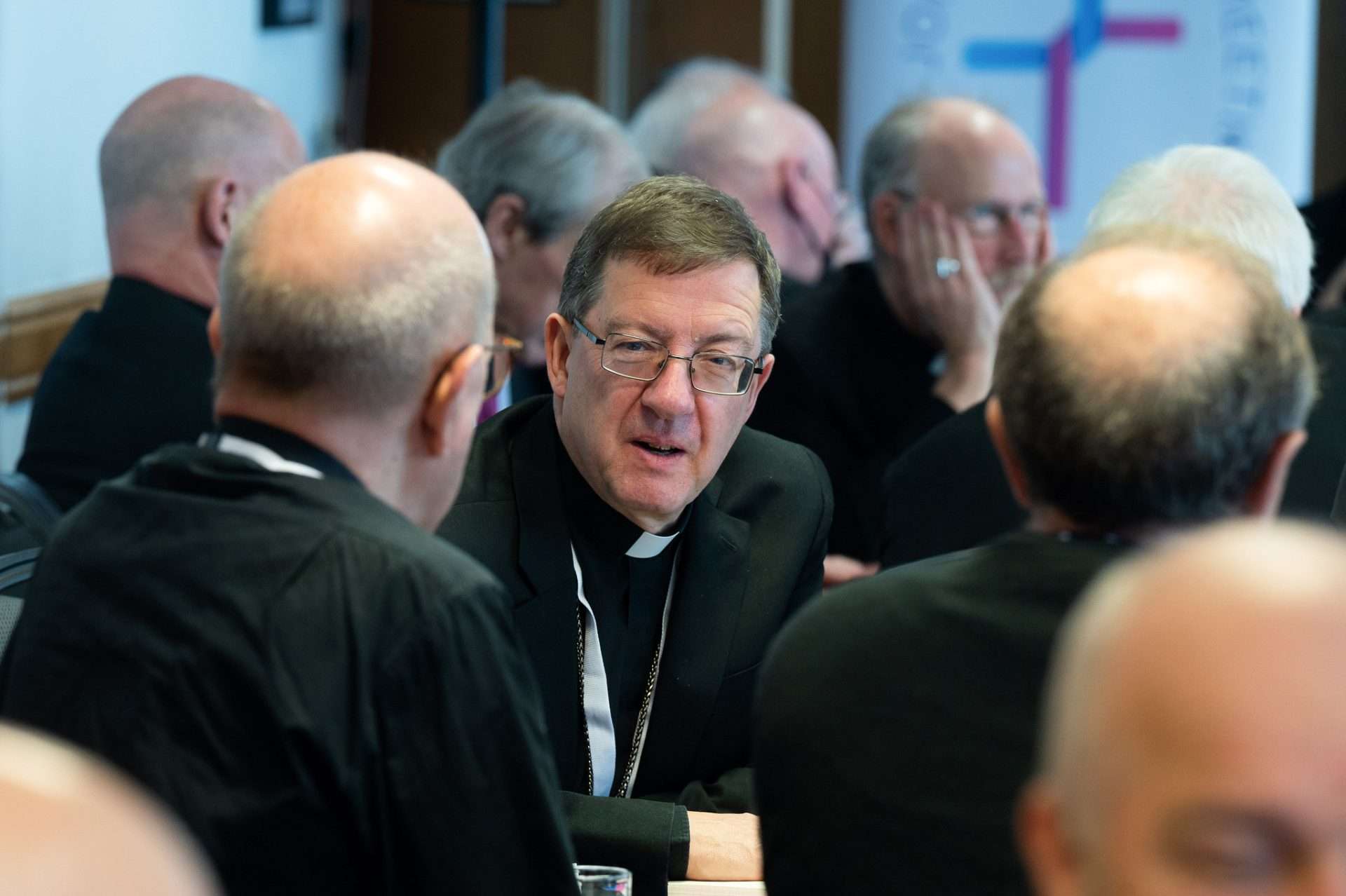
© Mazur/cbcew.org.uk
‘The Catholic Church opposes this bill in principle and joins with many other people of faith and none in arguing that we should not cross this watershed,’ Archbishop Sherrington said.
Archbishop John Sherrington, lead bishop for life issues for the Catholic bishops’ conference of England and Wales, has expressed his deep disappointment that the Terminally Ill Adults (End of Life) Bill will be reintroduced into the House of Commons.
“The recent debate about this bill showed how many people found the proposed legislation, even if they accepted it in principle, to be flawed and full of unresolved matters,” Archbishop Sherrington continued.
He pointed out that the majority in favour of the bill in the Commons reduced between readings as the issues became apparent, and that the Lords identified many shortcomings and bad legislation.
In addition, many professional bodies argued against this bill, including the Royal College of Psychiatrists and the Royal College of Physicians, and disability rights groups, those fighting against eating disorders, and against domestic abuse were highly concerned.
Archbishop Sherrington also said the bill undermines freedom of conscience for medical professionals and care workers, and threatens the future existence and wellbeing of care homes and hospices by forcing them to participate in assisted suicide.
“Recent debates have exposed the uneven provision of palliative care across the country,” he said. “Surely what is now needed to help the terminally ill is an improvement in compassionate, high-quality palliative care, and proper hospice funding.”
Archbishop Sherrington urged parliament to debate priorities in healthcare funding, especially for those living with terminal illness.
“Reintroducing this legislation, once again, places the most vulnerable at risk,” he concluded. “I ask MPs to reject this bill, and call on all people of goodwill to join me in work and prayer to prevent this flawed bill from succeeding.”
Archbishop Mark O’Toole of Cardiff-Menevia also said it is “immensely disappointing” that the bill is being reintroduced to parliament.
“It does nothing to uphold the dignity of every person, or encourage investment in good palliative care, which is the best way to accompany those facing challenging situations at the end of their lives,” he said.
The Anglican bishop of Newcastle, Dr Helen-Ann Hartley, who spoke against the bill in the House of Lords before it previously ran out of time, expressed concern that MPs might try to bypass the Lords.
“For a Bill of this magnitude in terms of societal change, the highest level of scrutiny is imperative,” she said.
“The role of the House of Lords remains to scrutinise and improve legislation sent to it by the House of Commons. That is the work I and other colleagues remain committed to as we await the detail of this new bill.”
Public do not support reviving assisted dying bill, poll finds
Stay updated — add us as a preferred news source on Google:


Help us keep The Tablet’s voice independent, clear and far-reaching.
Founded in 1840, The Tablet is the leading independent English-language Catholic weekly, celebrated for great writing, astute analysis, brilliant arts and books reviews and trustworthy reporting from correspondents in Britain, Ireland, Rome and across the world.
Independent, high-quality journalism is at the heart of what we do. The Tablet does not have deep pockets and we are not funded by rich donors. If you appreciate our work please consider supporting The Tablet’s Development Fund. It only takes a moment and you can cancel at any time.
- Support with £5 per month
- Support with £10 per month
- Support with other amount.

MOST READ ARTICLES
-
1
Archbishop of Cardiff-Menevia meets with other worldwide Catholic Church leaders to discuss liturgy
-
2
Let there be light
-
3
World Humanitarian Day: aid workers face a ‘crisis of protection’
-
4
Ruling allows French private hospitals limited exemption from assisted suicide
-
5
A tract for our times
-
6
The wisdom of the saints
FROM THE EDITOR'S DESK