Public ‘willing to pay’ to preserve historic churches


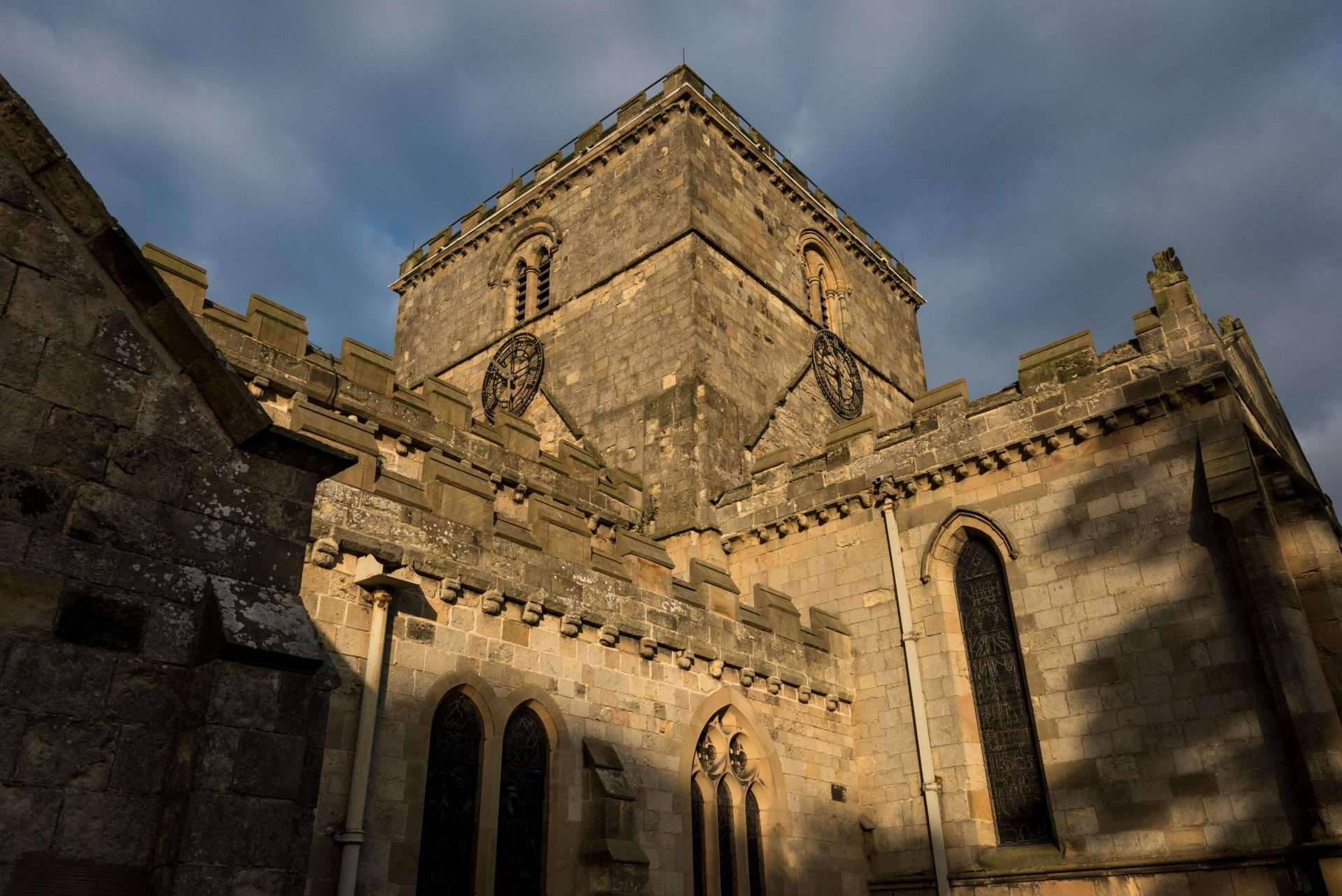
St Oswald's church, Filey, an example of a beautiful, historic church on the coast of North East England.
Andrew Kearton via Alamy
A recent study by Historic England has revealed that the public value historic churches far more than modern ones, even among those who are non-religious or do not attend services regularly
More than 4,500 participants were provided with options for potential improvements to a church, which varied in type between historic parish, non-conformist and modern churches.
Respondents made more than 27,000 choices throughout the study.
By isolating the “value of the church building itself, over the activities that typically take place within them”, Historic England was able to determine the “heritage premium”, or how willing the public would be to finance the historical features of a church irrespective of its denomination.
At a time when many religious buildings are struggling to manage rising repair and upkeep costs, results showed that individuals are willing to pay to preserve architectural, cultural and historic elements of churches.
Investments in digital technology were valued the least among participants in the study.
Those who attended church regularly claimed they were willing to pay an average of £15.40 for the restoration of a historic church, but just £3.80 if the church happened to be modern. This included nearly half of respondents who had never visited a church.
Thomas Colwill, a leading economist for Historic England, said: “This research provides clear, quantifiable evidence that historic churches matter deeply to the public, regardless of whether they attend religious services. These buildings are part of our shared national story, and people value them not just as places of worship, but as enduring landmarks that connect us to the past.”
Community also played a strong role in the public’s willingness to pay for historic churches, as the effect of food banks, shelter from adverse weather, musical performances and accessible spaces for reflection impacts the wider English population – not only those who are religious.
Historic England said: “From the extraordinary to the everyday, our historic places and spaces matter. From community centres to cathedrals, home to high streets, markets to mills, there are special places we all choose to hold onto, the legacy we want to pass on and the stories we continue to tell.”
Stay updated — add us as a preferred news source on Google:


Help us keep The Tablet’s voice independent, clear and far-reaching.
Founded in 1840, The Tablet is the leading independent English-language Catholic weekly, celebrated for great writing, astute analysis, brilliant arts and books reviews and trustworthy reporting from correspondents in Britain, Ireland, Rome and across the world.
Independent, high-quality journalism is at the heart of what we do. The Tablet does not have deep pockets and we are not funded by rich donors. If you appreciate our work please consider supporting The Tablet’s Development Fund. It only takes a moment and you can cancel at any time.
- Support with £5 per month
- Support with £10 per month
- Support with other amount.

MOST READ ARTICLES
-
1
Archbishop of Cardiff-Menevia meets with other worldwide Catholic Church leaders to discuss liturgy
-
2
Let there be light
-
3
World Humanitarian Day: aid workers face a ‘crisis of protection’
-
4
Ruling allows French private hospitals limited exemption from assisted suicide
-
5
A tract for our times
-
6
The wisdom of the saints
FROM THE EDITOR'S DESK