Parolin hails ‘witnesses of faith’ on visit to war-ravaged Mozambique


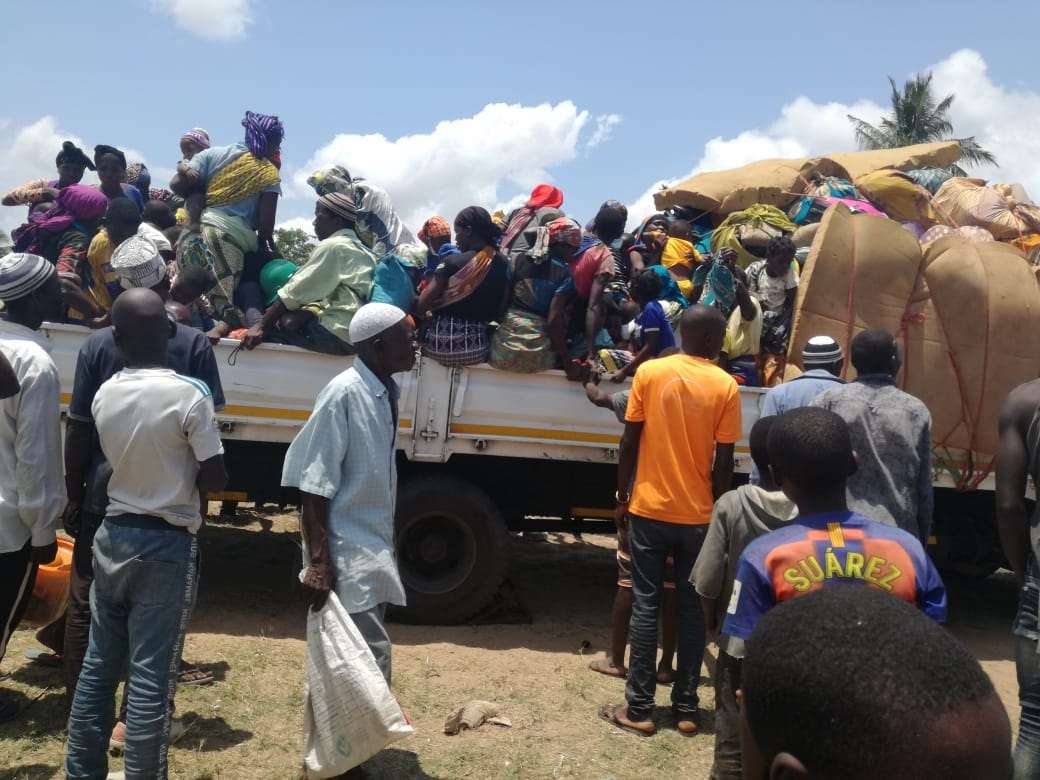
Refugees after jihadist attacks in Cabo Deldado in 2020
© ACN
‘I have come to tell you all journeying in Cabo Delgado, that you are not alone. The Holy Father and the entire Church, which is One and Universal, are with you.’
Cardinal Pietro Parolin visited the Cabo Delgado province in Mozambique, where jihadist groups have terrorised the local population.
During his visit to the Muslim-majority region where over 300 Catholics have been killed in eight years of conflict, Parolin delivered a message of solidarity, telling victims that “you are not alone” and that their sufferings “are in the heart of Mother Church”.
“I have come to tell you all journeying in Cabo Delgado, that you are not alone. The Holy Father and the entire Church, which is One and Universal, are with you,” said Parolin, the Vatican’s Secretary of State.
He spoke about the “heroic witnesses of faith of so many of our brothers and sisters who remained faithful to Christ in these times of pain and strife, and also of those who were killed without denying the name of Jesus”.
According to Fr Johan Viljoen, the director of the Denis Hurley Peace Institute of the Southern Africa Catholic Bishops’ Conference, the hardship in Cabo Delgado has not shaken the commitment of the faithful.
“The Church in Mozambique is very alive, it’s vibrant and alive and the people are faithful,” he told The Tablet.
He said such vibrancy is evident by the stark contrast between the flourishing vocations in the country and the dwindling commitment to vocation in Europe and the US.
“The seminary in Nambula, which is one archdiocese in Mozambique, has 220 seminarians, so that should give you an idea of how faithful people are, how seriously they take the church, and the church needs to be supported,” Viljoen said.
He continued: “Cardinal Parolin’s visit to Cabo Delgado is a significant affirmation of the Catholic Church’s commitment to the marginalised. The region, which is among the poorest in Africa yet home to a thriving parish, perfectly fits Pope Francis’ vision for ministry.
“Although a papal visit was not feasible so soon after the Pope’s last trip to Mozambique [in 2019], the cardinal’s presence is considered a fantastic gesture that provides immense encouragement and support to the local faithful.”
Viljoen noted that the Church’s ability to resolve the conflict may be limited, however, as the violence is fuelled by powerful economic interests in the region’s vast oil, gas, and mineral reserves, with multinational corporations like Total and ExxonMobil exploiting resources while local communities suffer.
Just transition must take into account effects of mining on communities and ecosystems
Mozambique – resource rich, conflict riven
Stay updated — add us as a preferred news source on Google:


Help us keep The Tablet’s voice independent, clear and far-reaching.
Founded in 1840, The Tablet is the leading independent English-language Catholic weekly, celebrated for great writing, astute analysis, brilliant arts and books reviews and trustworthy reporting from correspondents in Britain, Ireland, Rome and across the world.
Independent, high-quality journalism is at the heart of what we do. The Tablet does not have deep pockets and we are not funded by rich donors. If you appreciate our work please consider supporting The Tablet’s Development Fund. It only takes a moment and you can cancel at any time.
- Support with £5 per month
- Support with £10 per month
- Support with other amount.

MOST READ ARTICLES
-
1
Pope returns to Vatican after hospital discharge
-
2
Diverse schools that are 100 per cent Catholic
-
3
Under endless skies
-
4
Battling confession fatigue
-
5
Nigerian bishop scorns suggestion of running in presidential election
-
6
Schismatic Spanish nuns strip contents of convent before eviction
FROM THE EDITOR'S DESK