Muhammadu Buhari’s death recalls failings of Nigerian politics


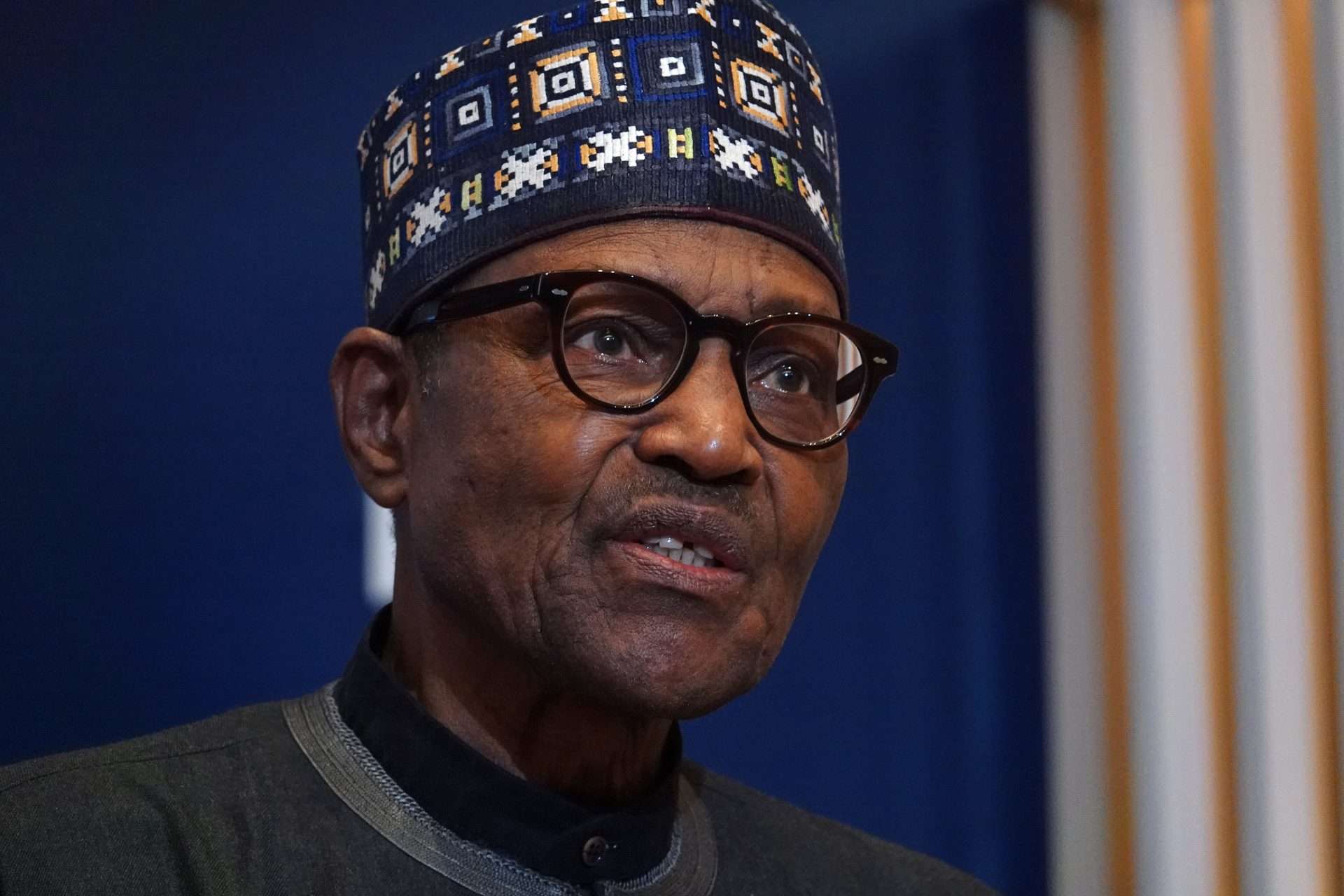
Muhammadu Buhari’s political career spanned the military regime and the transition to civilian rule on 29 May 1999.
US Institute of Peace
Anglican leaders have called on the National Assembly to reform the constitution inherited from the military regime in 1999 which they said had fundamental problems.
Nigeria’s former president Muhammadu Buhari died in London on Sunday, amid mounting criticism of the political system that brought him to power.
Buhari, who died aged 82, served as head of state in the military regime from January 1984 to August 1985, but joined mainstream politics after the transition to civilian rule in 1999. In 2015, he became the first opposition leader to defeat a sitting president in an election when his coalition beat that of Goodluck Jonathan – an event yet to be repeated in Nigerian politics.
He promised an uncompromising fight against the corruption but struggled to encourage growth and development, while ill health incapacitated him for about 225 days during the eight years of his presidency up to 2023.
Asked why his instructions were often ignored by his subordinates, he would say: “I’m not aware.” His health challenges were often exploited by government officials taking critical decisions affecting the country, while he was accused of failing to act against the insurgency and banditry responsible for thousands of deaths.
Buhari’s political career spanned the military regime and the transition to civilian rule on 29 May 1999, which brought in a military-authored constitution for the Fourth Republic. At a meeting in March, Anglican leaders in Nigeria called on the National Assembly to reform the constitution which they said had fundamental problems.
The Standing Committee of the Church of Nigeria made the appeal during a meeting in Port Harcourt, Rivers State, in the south of the country.
“History shows Nigeria has been guided at different stages of development and nationhood by several constitutions. While we commend the National Assembly on their efforts at piecemeal reviews of the military-imposed constitution, the committee calls for a totally new civilian constitution drafted by a sovereign representation of the ethnic nationalities of the country, to address the fundamental issues necessary for a growing, united and prosperous nation,” said the statement, signed by the Anglican Primate of All Nigeria Archbishop Henry Chukwudum Ndukuba on behalf of the 127 bishops, 146 clergy and 96 lay members present.
“Every region of Nigeria has their historic and social grievances. While we commend President Bola Ahmed Tinubu for his creation of Regional Development Commissions to address some of these grievances, the Standing Committee strongly calls on the government to deliberately make efforts to de-toxicate Nigeria by establishing a National Reconciliation Commission to address the grievances of groups and bring genuine healing to the nation.”
Nigerian bishops clash with president over state of the nation
Nigerian politics – waiting for a Messiah
Stay updated — add us as a preferred news source on Google:


Help us keep The Tablet’s voice independent, clear and far-reaching.
Founded in 1840, The Tablet is the leading independent English-language Catholic weekly, celebrated for great writing, astute analysis, brilliant arts and books reviews and trustworthy reporting from correspondents in Britain, Ireland, Rome and across the world.
Independent, high-quality journalism is at the heart of what we do. The Tablet does not have deep pockets and we are not funded by rich donors. If you appreciate our work please consider supporting The Tablet’s Development Fund. It only takes a moment and you can cancel at any time.
- Support with £5 per month
- Support with £10 per month
- Support with other amount.

MOST READ ARTICLES
-
1
Pope returns to Vatican after hospital discharge
-
2
Diverse schools that are 100 per cent Catholic
-
3
Under endless skies
-
4
Battling confession fatigue
-
5
Nigerian bishop scorns suggestion of running in presidential election
-
6
Schismatic Spanish nuns strip contents of convent before eviction
FROM THE EDITOR'S DESK