Kerala Christians protest Islamic law claims to property


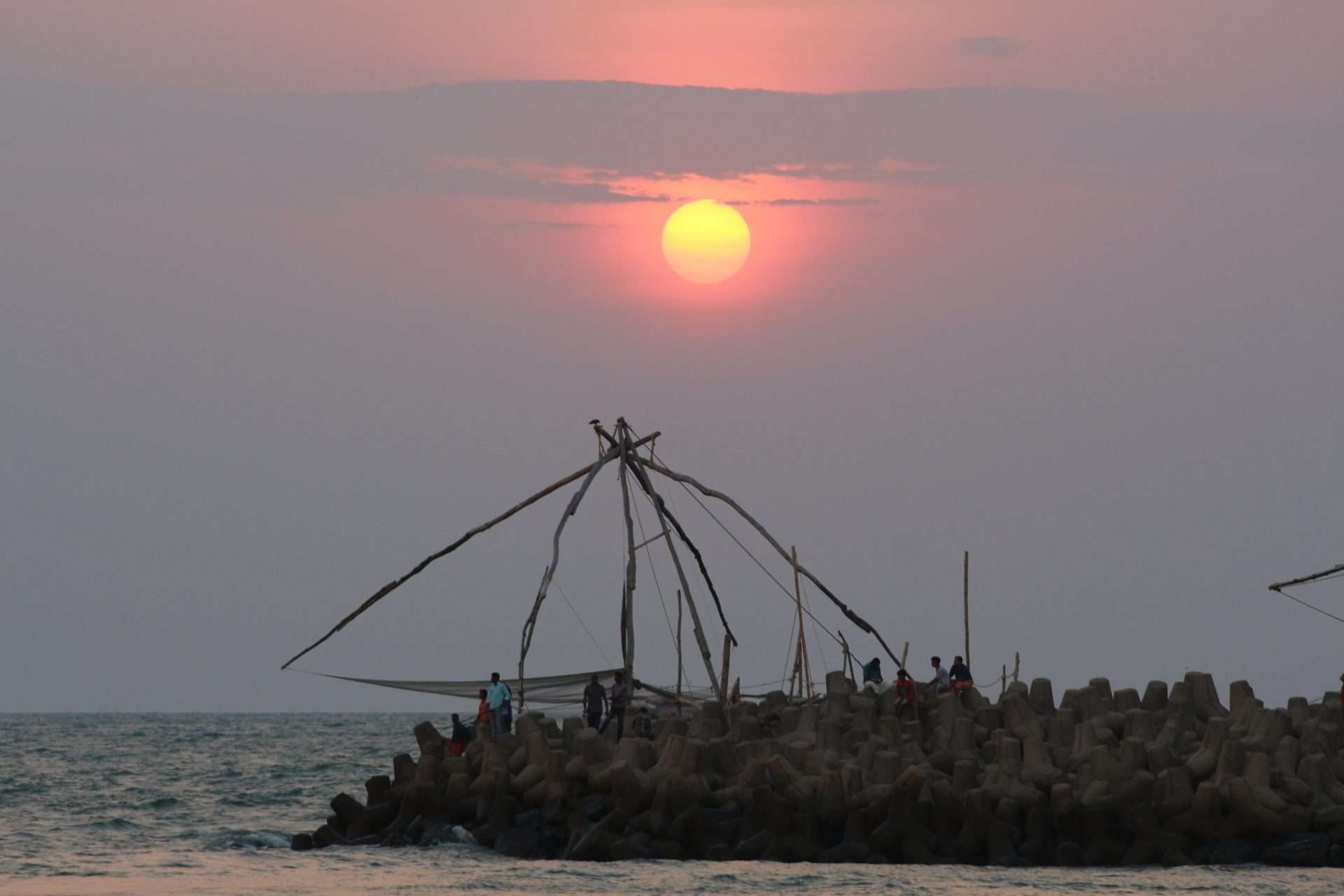
Fishermen in Munambam, which has become a popular tourist destination.
Warren Smart / flickr | Creative Commons
Under Waqf legislation, land donated for religious purposes is inalienable.
More than 600 Christian families in Kerala’s Ernakulam district joined protests against an Islamic law which has put their property under threat.
The residents of Cherai and Munambam said the Kerala Waqf Board, which governs Islamic charitable endowments in the state, had made an unlawful claim to properties they had owned for generations. The board said the land was historically donated for religious purposes, making it inalienable under Islamic law.
Authorities from the Syro-Malabar Church and the Kerala Catholic Bishops Council (KCBC) also submitted concerns about the board’s actions to the Indian Parliament, where the Joint Parliamentary Committee was studying possible amendments to the 1995 Waqf Act under which regional Waqf Boards operate.
Archbishop Andrews Thazhath, who chairs the Syro-Malabar Public Affairs Commission, asked the committee to “consider the tragic situation of the people in these villages and many other parts of India who are under the threat of losing their household by the totally unjust and inhuman claims made by the Waqf Board”.
“We request the committee to make suggestions to amend the Waqf Act 1995, on the basis of humanitarian and constitutional principles,” he wrote.
Fr Michael Pulickal, secretary of the KCBC Commission for Social Harmony and Vigilance, said that “eviction from the property the residents legally purchased is a human rights violation as it infringes on their constitutional rights to live and own property”.
Responding on social media, federal minister Kiren Rijiju said the Church’s grievances would be addressed.
“The issue of Waqf land has been affecting people across communities. I feel pained to see eminent Christian leaders having to express their anguish in this manner. I assure them that their grievances will be addressed,” he said.
Proposed changes to the act would allow non-Muslim members on Waqf Boards, a measure that Islamic groups fear would lead to the loss of Waqf land. Opponents of the act claim it grants religious rights contrary to India’s secular constitution.
Under the act, Waqf Boards may claim control of lands deemed to have been made Islamic charitable endowments. Together, the boards are the third largest landholder in India after the government departments for railways and defence.
Munambam and the nearby Cherai beach have become popular tourist spots, multiplying the value of the land in the area.
The land was reportedly donated to Feroke College in 1950, though this was disputed by local fishermen. The High Court ruled in 1975 that the land belonged to the college, from which locals later bought the land. However, residents protested in 2022 against land tax restrictions caused by the land’s Waqf status.
Stay updated — add us as a preferred news source on Google:


Help us keep The Tablet’s voice independent, clear and far-reaching.
Founded in 1840, The Tablet is the leading independent English-language Catholic weekly, celebrated for great writing, astute analysis, brilliant arts and books reviews and trustworthy reporting from correspondents in Britain, Ireland, Rome and across the world.
Independent, high-quality journalism is at the heart of what we do. The Tablet does not have deep pockets and we are not funded by rich donors. If you appreciate our work please consider supporting The Tablet’s Development Fund. It only takes a moment and you can cancel at any time.
- Support with £5 per month
- Support with £10 per month
- Support with other amount.

MOST READ ARTICLES
-
1
Pope returns to Vatican after hospital discharge
-
2
Diverse schools that are 100 per cent Catholic
-
3
Under endless skies
-
4
Battling confession fatigue
-
5
Nigerian bishop scorns suggestion of running in presidential election
-
6
Schismatic Spanish nuns strip contents of convent before eviction
FROM THE EDITOR'S DESK


