Caritas Nigeria ‘attends to poor’ with agricultural training scheme


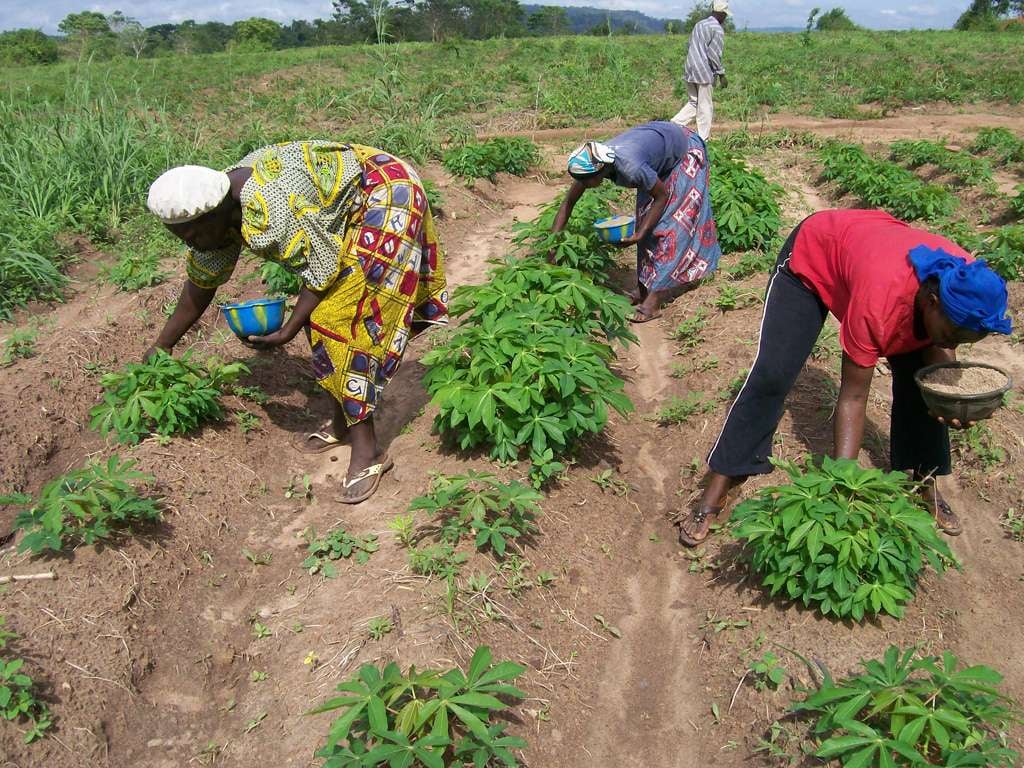
Cassava farming in Ekiti State
International Institute of Tropical Agriculture
‘When one person becomes economically empowered, an entire household is also uplifted. So, when many people gain sustainable livelihoods, the society itself becomes more stable.’
Around 200 households in south-west Nigeria took part in a Church training programme to improve their agricultural productivity and the sustainability of their livelihoods.
Caritas Nigeria, the humanitarian arm of the Catholic Bishops’ Conference of Nigeria (CBCN), provided start-up kits for the beneficiaries in Ekiti State after training them in vocations and skills, including rice processing, fish processing, tomato and pepper processing, cassava processing and fish production.
The Bishop of Ekiti Felix Ajakaiye, who spoke at the local government offices Aramoko Ekiti on Wednesday during the graduation ceremony of trainees and distribution of start-up kits to them, said Caritas was fulfilling its purpose of ensuring people, particularly the poor and vulnerable, live meaningful lives.
The two-day programme under the Building Sustainable Livelihood for Vibrant Community (B-SLiC) scheme was organised by Caritas in collaboration with Conrad Hilton Foundation through the Catholic Sisters Initiative held at Aramoko Ekiti and Igbemo Ekiti.
“The purpose of Caritas is to attend to the poor people in the society, irrespective of your gender, your tribe, wherever you have come from, or your religion,” said Bishop Ajakaiye. “So, through them, donors access the society. The bishops established it so that they can attend to the humanitarian services in the society.”
He said there would be a significant impact from the training and tools, advising the beneficiaries to make good use of the equipment to better their lives and those of others.
“The benefits are so much. Number one is to alleviate poverty. With these, people will work to have sustainable livelihoods, and they will employ some people,” he said.
“It is not only the beneficiaries who will benefit from these, but some other people will also benefit. Some farmers will come around to grind or fry their cassava, process rice, etc. So it is a benefit to the communities.”
Fr Babangida Aliyu, executive secretary of Caritas Nigeria, said the initiative “is not just merely about giving tools, it is about restoring dreams, strengthening families and reducing poverty”.
He continued: “When one person becomes economically empowered, an entire household is also uplifted. So, when many people gain sustainable means of livelihood, the society itself becomes more stable and more prosperous.”
Fr Aliyu congratulated the beneficiaries, saying: “This is just a beginning for you. Use the knowledge you have gained and the tools and inputs appropriately. I urge you to turn these tools into thriving businesses, these opportunities into lasting success, and this small beginning into inspiring testimonies.”
Caritas’ director of humanitarian services Nkese Udongwu also addressed the beneficiaries, saying: “Take these seriously. Do your own and make sure you have sustainable livelihoods. You can become an employer of labour from here. We want you to succeed, we want people to be lifted out of poverty in a sustainable manner”.
Udongwu detailed the Caritas distributions: “Under the programme billed for two local government areas in Lagos State and two LGAs in Ekiti, Caritas is training and empowering 400 households – 200 in Lagos, 200 in Ekiti.”
Re-greening Africa – driving positive change on the continent
Stay updated — add us as a preferred news source on Google:


Help us keep The Tablet’s voice independent, clear and far-reaching.
Founded in 1840, The Tablet is the leading independent English-language Catholic weekly, celebrated for great writing, astute analysis, brilliant arts and books reviews and trustworthy reporting from correspondents in Britain, Ireland, Rome and across the world.
Independent, high-quality journalism is at the heart of what we do. The Tablet does not have deep pockets and we are not funded by rich donors. If you appreciate our work please consider supporting The Tablet’s Development Fund. It only takes a moment and you can cancel at any time.
- Support with £5 per month
- Support with £10 per month
- Support with other amount.

MOST READ ARTICLES
-
1
Pope returns to Vatican after hospital discharge
-
2
Diverse schools that are 100 per cent Catholic
-
3
Under endless skies
-
4
Battling confession fatigue
-
5
Nigerian bishop scorns suggestion of running in presidential election
-
6
Schismatic Spanish nuns strip contents of convent before eviction
FROM THE EDITOR'S DESK


