What languages did Jesus speak?


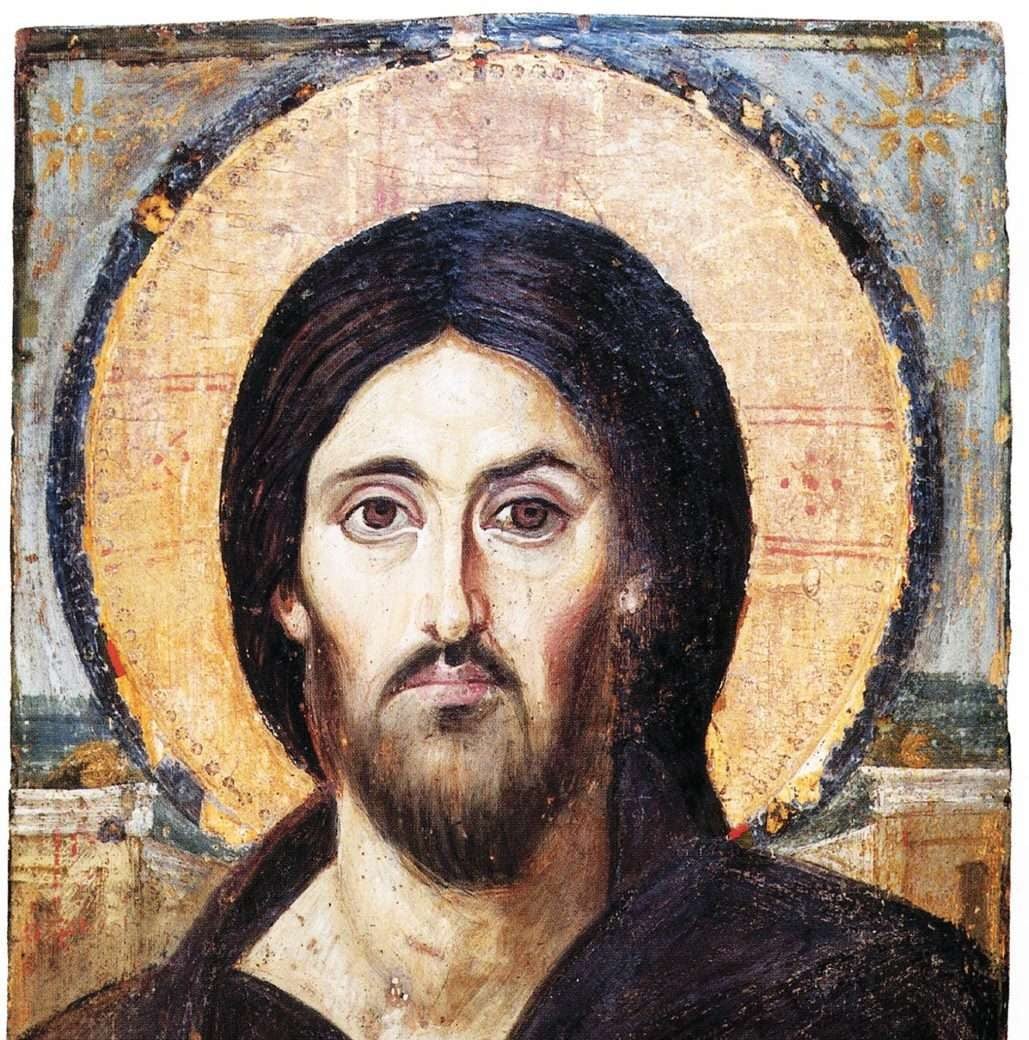
Jesus grew up in a highly multilingual area and is known to have spoken Hebrew as a child
WIKIMEDIA COMMONS
Galilee was a multilingual area, adjoining provinces where other local languages and dialects were spoken, such as Syria in the north, Samaria in the south, and the nearby 10 cities (the Decapolis), where Greek culture predominated
THE NEW TESTAMENT was written in a language known as Koine Greek. Koine (pronounced koy-nay) meant “common”, referring to the everyday dialect of Greek spoken as the lingua franca of the Roman empire at that time, and especially throughout the eastern Mediterranean. The adjective distinguishes it from the elite variety of the language spoken in Athens (Attic Greek). Greek then – and now – was a two-level language, with “high” and “low’ varieties.
Get Instant Access
Continue Reading
Register for free to read this article in full
Subscribe for unlimited access
From just £37.50 quarterly
Print copy of The Tablet delivered directly to your door.
Complete access to all Tablet website content including all premium content.
Access to the weekly digital copy of The Tablet.
Full access to The Tablet’s archive – over 180 years of back issues.

Already a subscriber? Login

Help us keep The Tablet’s voice independent, clear and far-reaching.
Founded in 1840, The Tablet is the leading independent English-language Catholic weekly, celebrated for great writing, astute analysis, brilliant arts and books reviews and trustworthy reporting from correspondents in Britain, Ireland, Rome and across the world.
Independent, high-quality journalism is at the heart of what we do. The Tablet does not have deep pockets and we are not funded by rich donors. If you appreciate our work please consider supporting The Tablet’s Development Fund. It only takes a moment and you can cancel at any time.
- Support with £5 per month
- Support with £10 per month
- Support with other amount.

MOST READ ARTICLES
-
1
Pope returns to Vatican after hospital discharge
-
2
Diverse schools that are 100 per cent Catholic
-
3
Under endless skies
-
4
Battling confession fatigue
-
5
Nigerian bishop scorns suggestion of running in presidential election
-
6
Schismatic Spanish nuns strip contents of convent before eviction
FROM THE EDITOR'S DESK


