Sharing in the mission of St Augustine


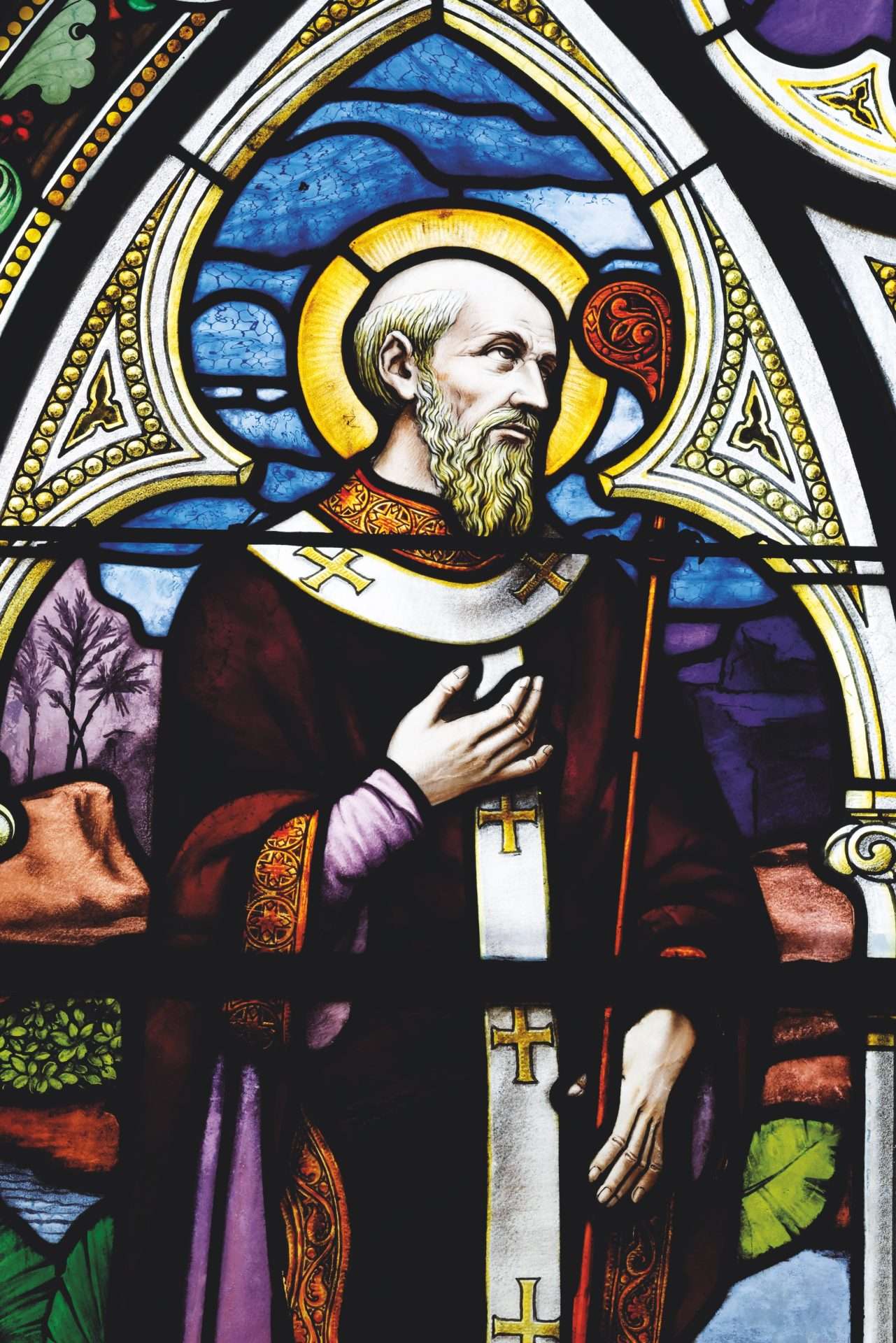
St Augustine: love is at the heart of his theology
Alamy/Godong
Tablet features – The way of Augustine 4
In May, a very short time after the death of Pope Francis, the white smoke of the Holy Spirit gave us a pope for the world and a bishop for Rome. Two perspectives on the papacy of Leo XIV now unfolding may help us to see more clearly the context in which world Christianity finds itself. The first is that both men were formed by religious orders, in one case the Jesuits, in the other the Augustinians. The second is that the writings of St Augustine, while they defy the title systematic, offer a wide-ranging panoply of distilled response to the major theological issues of his day. Augustine was a diocesan bishop who lived in a community of trusted friendship all his life and was also a major influence in shaping the relationship between Church and State in imperial times. The parallels with Leo XIV are easy to find.
Get Instant Access
Continue Reading
Register for free to read this article in full
Subscribe for unlimited access
From just £37.50 quarterly
Print copy of The Tablet delivered directly to your door.
Complete access to all Tablet website content including all premium content.
Access to the weekly digital copy of The Tablet.
Full access to The Tablet’s archive – over 180 years of back issues.

Already a subscriber? Login

Help us keep The Tablet’s voice independent, clear and far-reaching.
Founded in 1840, The Tablet is the leading independent English-language Catholic weekly, celebrated for great writing, astute analysis, brilliant arts and books reviews and trustworthy reporting from correspondents in Britain, Ireland, Rome and across the world.
Independent, high-quality journalism is at the heart of what we do. The Tablet does not have deep pockets and we are not funded by rich donors. If you appreciate our work please consider supporting The Tablet’s Development Fund. It only takes a moment and you can cancel at any time.
- Support with £5 per month
- Support with £10 per month
- Support with other amount.

MOST READ ARTICLES
-
1
Pope returns to Vatican after hospital discharge
-
2
Diverse schools that are 100 per cent Catholic
-
3
Under endless skies
-
4
Battling confession fatigue
-
5
Nigerian bishop scorns suggestion of running in presidential election
-
6
Schismatic Spanish nuns strip contents of convent before eviction
FROM THE EDITOR'S DESK