What lies behind Reform UK’s promise to restore ‘Judaeo-Christian culture’?


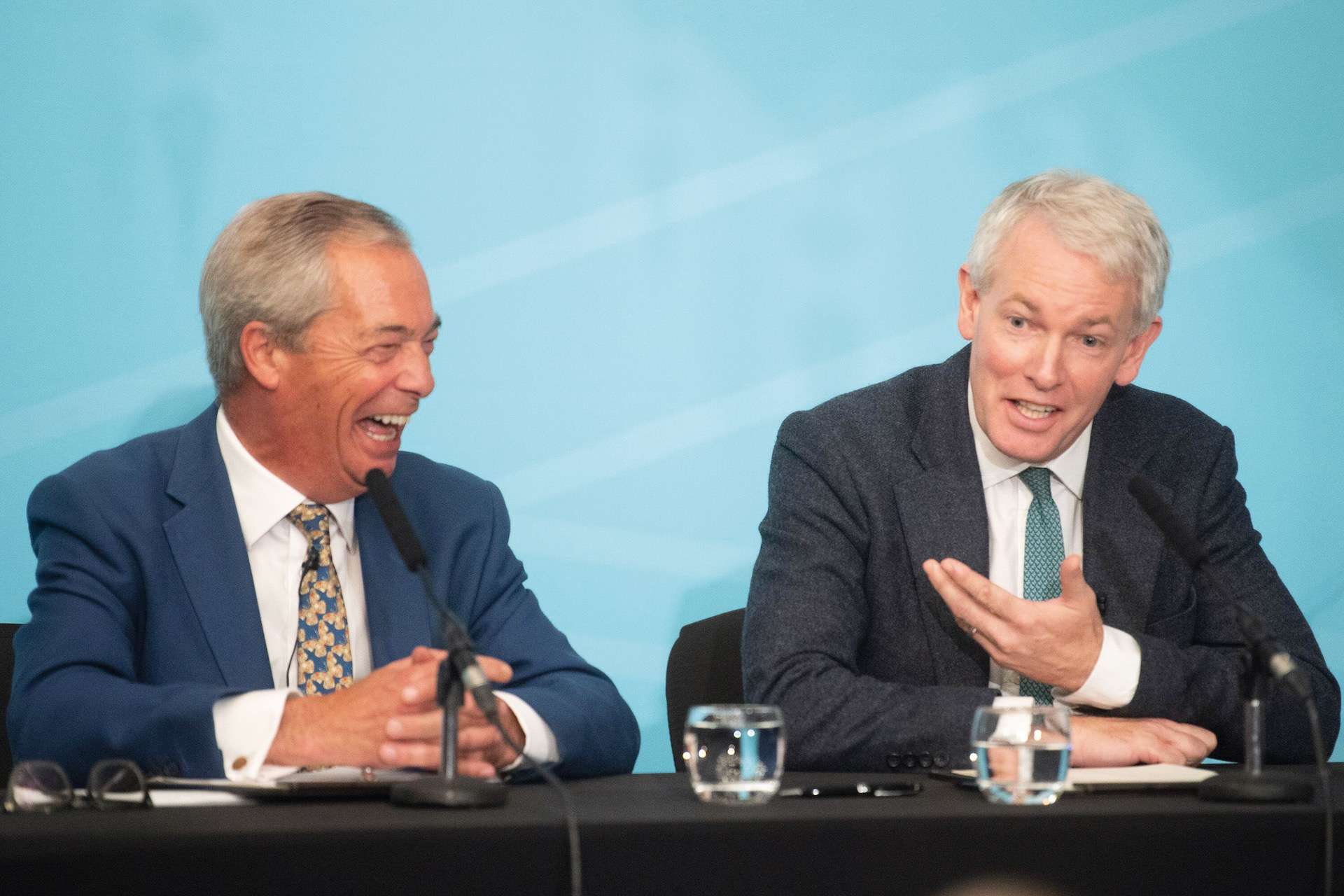
Reform’s Nigel Farage and Danny Kruger
Alamy, Justin Ng
Even those of us who regard the prospect of Nigel Farage entering Downing Street as what St John Newman calls a vision to dizzy and appal should take the possibility of a Reform government seriously
Perhaps the best way to understand all of this is to recognise that the leadership of Reform UK is ultimately brought together not so much by a common goal or a common positive philosophy (let alone by a common positive theology), but rather by opposition to a common enemy. That common enemy is post-enlightenment liberalism and its many intellectual offsprings – from the economic liberalism of Adam Smith and Hayek, through Popperian and Oakeshottian conceptions of a liberal society, to today’s left-liberal, green-liberal and woke-liberal ideologies. Christian and non-Christian Reform UK leaders alike are motivated by a desire to anathematise and eliminate all of these varieties of liberalism.
Get Instant Access
Continue Reading
Register for free to read this article in full
Subscribe for unlimited access
From just £37.50 quarterly
Print copy of The Tablet delivered directly to your door.
Complete access to all Tablet website content including all premium content.
Access to the weekly digital copy of The Tablet.
Full access to The Tablet’s archive – over 180 years of back issues.

Already a subscriber? Login

Help us keep The Tablet’s voice independent, clear and far-reaching.
Founded in 1840, The Tablet is the leading independent English-language Catholic weekly, celebrated for great writing, astute analysis, brilliant arts and books reviews and trustworthy reporting from correspondents in Britain, Ireland, Rome and across the world.
Independent, high-quality journalism is at the heart of what we do. The Tablet does not have deep pockets and we are not funded by rich donors. If you appreciate our work please consider supporting The Tablet’s Development Fund. It only takes a moment and you can cancel at any time.
- Support with £5 per month
- Support with £10 per month
- Support with other amount.

MOST READ ARTICLES
-
1
Church warns Zambian government against division after archbishop’s arrest
-
2
Breaking up … for now
-
3
A craving for beauty
-
4
Nurturing young Catholics in STEM
-
5
Bishops demand security investment to promote ‘common good’ in Nigeria
-
6
Rival church occupies Kyiv monastery in latest blow to Moscow-linked Orthodox
FROM THE EDITOR'S DESK