One gobble and you’re gone – death in the ancient world


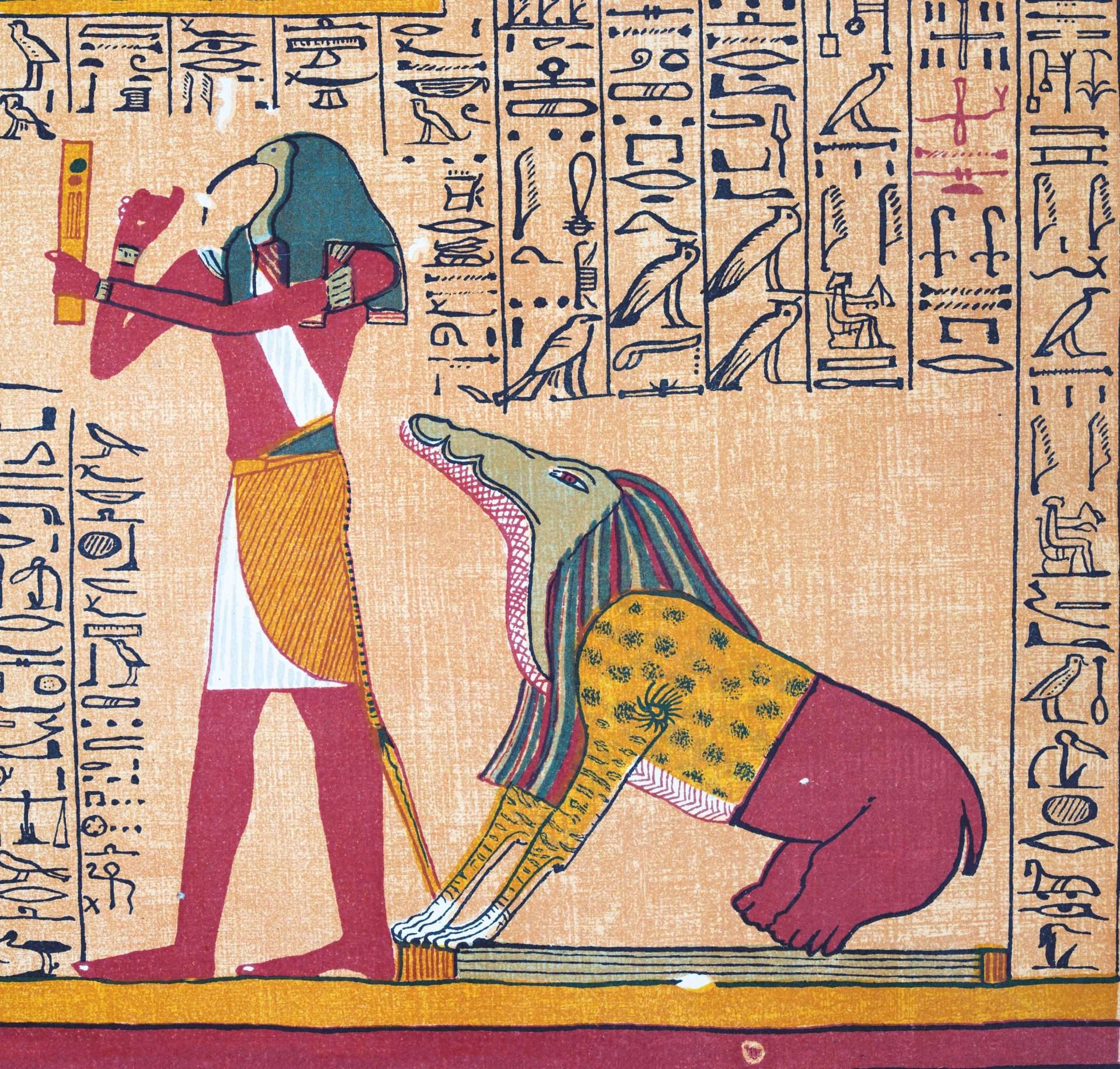
Ammit, Egyptian devourer of the dead.
Walker Art Library / Alamy
Hades is bleak for good and bad souls alike. The weak, witless dead flutter in the dark, gibbering like bats.
What To Expect When You’re Dead
ROBERT GARLAND
(PRINCETON UNIVERSITY PRESS, 344 PP, £25)
TABLET BOOKSHOP PRICE £22.50 • TEL 020 7799 4064
“Studies prove that everybody dies eventually” is the laconically humorous first sentence of this study of ancient burial practices, tomb cultures and speculations on life after death. Garland expects nothing when he’s dead but enters sympathetically into the imaginative world of those who do. By dipping into the style of a user manual, he does much to leaven a gloomy subject. As Seneca noted, “The fear of going to the Underworld is equalled by the fear of going nowhere.” There’s the additional fear of getting stuck on the way to wherever you’re meant to go – your body desecrated, no funeral rites, no obol to give to Charon, or food offerings to nourish your soul for the journey. The dead are painfully dependent on the living for help and the living sometimes let them down.
Death the great leveller was no egalitarian. Tough luck if you happened to be one of the late King of Ur’s 74 retainers circa 2,600 BC: your fate was a cup of poison and ongoing servitude through all eternity. Only rich Romans or Pharaohs could outsource the practicalities of body disposal. The poor might be chucked into other people’s funeral pyres or dumped on the street to rot or be devoured. Death was disagreeably visible everywhere A stray dog dropped a human hand under the emperor Vespasian’s dining table.
The Zoroastrians gave us the word for Paradise. Their souls were conducted by a beautiful maiden to the “House of Song” in a “Pair-daisu”, or walled garden. If they failed the trials along the way, they’d plunge into a pit of snakes and scorpions called “The House of Lies”. Egyptian Heaven was a “Field of Reeds” where you could disport among fish, plump ducks and beautiful women. But again, the journey was dangerous, requiring secret spells. There was judgement: a long hard stare from Osiris, Lord of Silence, in the “Broad Hall of Two Truths”. Your heart would be weighed in a scale and if found wanting a crocodile-headed monster called Ammit gobbled you up. No eternal punishment, just one quick gobble and you’re gone – an idea that might have resonated with our late Pope Francis who said: “There is no Hell. There is the disappearance of sinful souls.”
Hades is bleak for good and bad souls alike. The weak, wit- less dead flutter in the dark, gibbering like bats. No wonder people turned to the cults of Isis, Mithras, the Eleusinian Mysteries and Orphism. Notions of reward for virtue, punishment for vice, visions of redemption, reawakening and communing with divinity kept creeping in across all the cultures and each culture evolved with borrowings from others. Throughout the ages, there’ve been cynical types who reject consolation; Graeco-Roman writers satirise the afterlife; the greed of Egyptian tomb robbers outweighed their superstitious dread; “Good luck with your resurrection” reads an inscription in a Jewish necropolis.
To facilitate comparison, Garland takes a thematic approach to his subject, so we repeat the rounds of Mesopotamians, Egyptians, Hindus, Hebrews, Zoroastrians, Etruscans, Graeco-Romans, early Christians and Muslims in each chapter. This leaves you with a sketchy grip on each culture individually. But the wealth of material and anecdote makes this book a very engaging read. Garland’s hope is to “enliven the dead and enlighten the living”. But we’re not in a hurry for enlightenment and while the dead may be rendered more vivid, it’s really the living who’ll be enlivened by this book. These myriad imaginings of death only serve to make life more alluring, so carpe diem!
Login
Please login to comment
0 Comments
Oldest

Help us keep The Tablet’s voice independent, clear and far-reaching.
Founded in 1840, The Tablet is the leading independent English-language Catholic weekly, celebrated for great writing, astute analysis, brilliant arts and books reviews and trustworthy reporting from correspondents in Britain, Ireland, Rome and across the world.
Independent, high-quality journalism is at the heart of what we do. The Tablet does not have deep pockets and we are not funded by rich donors. If you appreciate our work please consider supporting The Tablet’s Development Fund. It only takes a moment and you can cancel at any time.
- Support with £5 per month
- Support with £10 per month
- Support with other amount.

MOST READ ARTICLES
-
1
Pope returns to Vatican after hospital discharge
-
2
Diverse schools that are 100 per cent Catholic
-
3
Under endless skies
-
4
Battling confession fatigue
-
5
Nigerian bishop scorns suggestion of running in presidential election
-
6
Schismatic Spanish nuns strip contents of convent before eviction
FROM THE EDITOR'S DESK