A short but irreplaceable life – the loss of an unborn and infant baby


Alamy
Many parents who have lost a baby prematurely will express how unfamiliar and complex it is to mourn the loss of a baby.
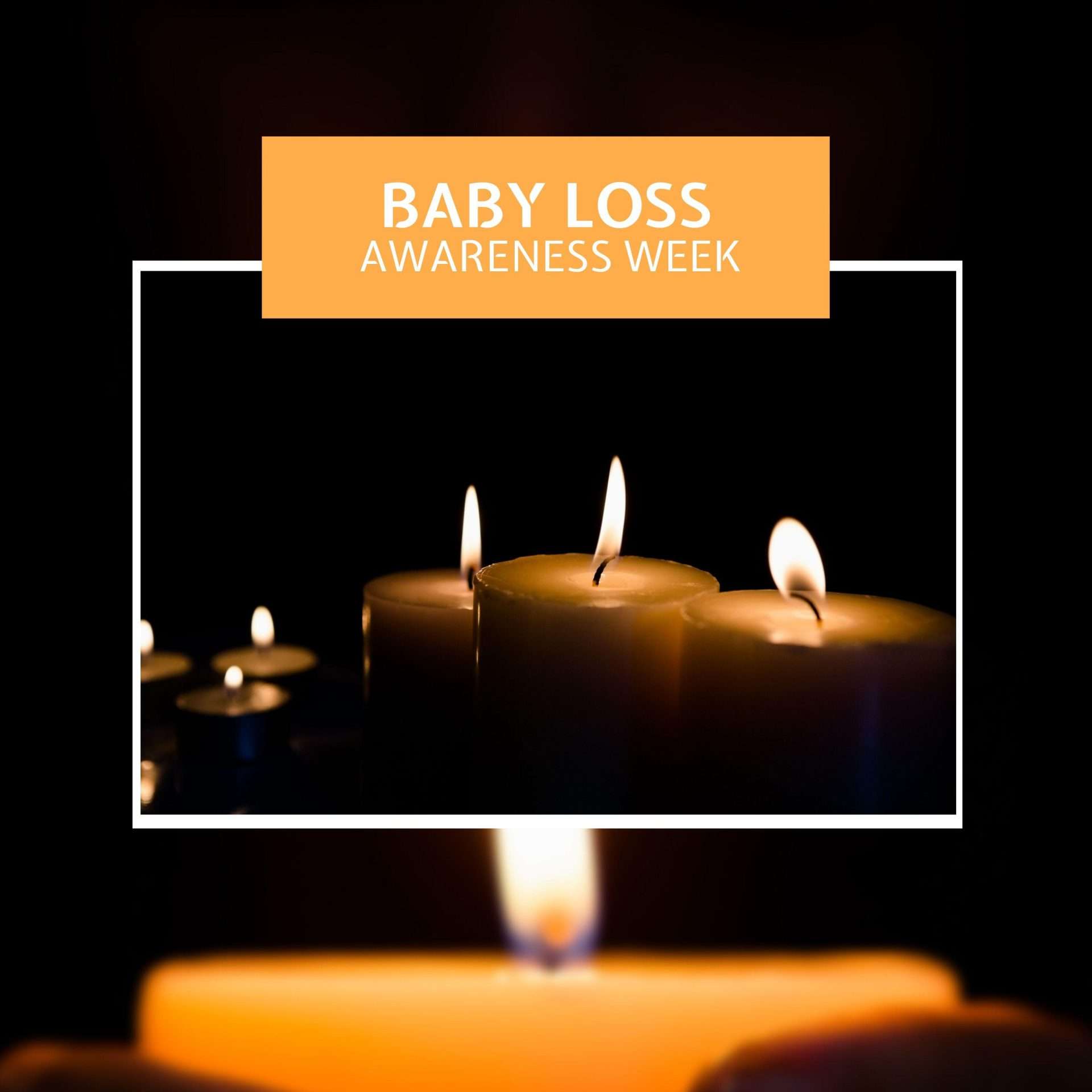
“Why me? Why us? What have we done?” Jo and David asked themselves after their baby was stillborn at 41 weeks, despite what they described as a “textbook pregnancy”. Their questions echo the silent cries of thousands of parents across the UK each year who experience the devastating loss of a child during pregnancy or shortly after birth. Often, they find no medical explanation, no warning, no answer, but only grief, confusion, and a profound sense of emptiness. We remember them and their precious children as we commemorate Baby Loss Awareness Week, running until the 15 October.
Many parents who have lost a baby prematurely will express how unfamiliar and complex it is to mourn the loss of a baby. A woman has felt the bond of motherhood but no longer has their child to care for. Fathers might feel helpless and unable to protect their family. If siblings are involved, parents might feel torn between wondering how to best support their other children whilst dealing with their own pain. Often there will be no joyful memories to help remember that child, apart from a few moments in the hospital ward, or a few weeks of pregnancy.
It can seem that those around are unable to relate and understand this kind of grief. Some use seemingly empty terms such as “pregnancy loss” or try to reassure parents that they can always “have another one” which dismisses the real loss that they have experienced. However, that is not what we hear when losing an older relative or a friend. What we hear then is “sorry for your loss”, because we recognise it is a loss of that person, who was a gift, unique and irreplaceable. However much we might shroud the reality, such is also a baby lost in the womb, during birth, or soon after birth. That is why couples name these babies, because they have not just lost something which can be replaced, but a unique someone.
Perhaps, we forget that because, unless we have experienced baby loss personally, we might struggle to relate in the same way to the loss of a baby as we would to the loss of an older child. We did not see the child, or the pregnancy was not visible. The littleness., invisibility, dependency, vulnerability of unborn and newborn children, and inability to engage fully might cause us to overlook the truth that every child is precious and deserves to be recognised, cherished, and bereaved accordingly. Whether they lived for weeks in the womb or seconds in their parents’ arms, their life was a gift – just as if they had lived and died as a small child. They had a name, and a family who remembers them still.
The mark left by these little lives upon their parents’ hearts has inspired some of these parents to reach out to others who have experienced a similar loss. One such organisation is Abigail’s Footsteps, founded by Jo and David mentioned above, which focuses on supporting bereaved parents and improving the infrastructure of support. Among other things, the organisation has helped hospitals set up dedicated bereavement spaces for parents to say goodbye to their children in privacy and peace, instead of leaving them in maternity wards full of newborns and happy families. Moreover, baby loss advocacy groups helped secure bereavement leave, and baby loss certificates for babies lost before 24 weeks of gestation introduced by the Catholic former MP and minister Maria Caulfield.
Meaningful work is continuing, but we will never be truly able to fully support bereaved parents, until we recognise the uniqueness and irreplaceability of every preborn and born child that is lost. Given our communal calling in the Church protect the vulnerable and console the weary (Isaiah 50:4), perhaps, we can foster this culture in parishes. Parish bereavement and consolation groups, for example, can explicitly reach out to parents who have lost a baby, and who might otherwise feel that such groups are not designed for them.
Christ Himself chose to enter the world as a baby and experienced infancy, reminding us of the sacredness of life from its earliest moments. In St Luke’s Gospel, we hear of the development of his life from the moment of conception. As recently stated by Archbishop John Sherrington and Bishop Bosco MacDonald, the Church recognises this and supports parents through pastoral support and liturgy. It commends these children to God’s mercy, by offering funeral Masses for babies lost at any stage of pregnancy, and shortly after birth. When there is no body, a memorial mass or service can be said. Parents can also seek pastoral support and blessing from priests and parish communities.
Family, friends, community groups and parishes can all play their part in helping those who have suffered the traumatic loss of a baby. Baby loss is more prevalent than we might realise, and perhaps someone we know has experienced it recently – we might not even know. In the face of such loss, we are called to listen, to acknowledge, and to offer comfort. Through faith, community, and compassionate care, we can help parents navigate the pain of losing their little one, and remind them that their child mattered, and always will.
Adelaide Di Maggio is a Policy and Research Analyst at the Catholic Bishops’ Conference of England and Wales but writes in a personal capacity.
Login
Please login to comment
0 Comments
Oldest

Help us keep The Tablet’s voice independent, clear and far-reaching.
Founded in 1840, The Tablet is the leading independent English-language Catholic weekly, celebrated for great writing, astute analysis, brilliant arts and books reviews and trustworthy reporting from correspondents in Britain, Ireland, Rome and across the world.
Independent, high-quality journalism is at the heart of what we do. The Tablet does not have deep pockets and we are not funded by rich donors. If you appreciate our work please consider supporting The Tablet’s Development Fund. It only takes a moment and you can cancel at any time.
- Support with £5 per month
- Support with £10 per month
- Support with other amount.

MOST READ ARTICLES
-
1
Pope returns to Vatican after hospital discharge
-
2
Diverse schools that are 100 per cent Catholic
-
3
Under endless skies
-
4
Battling confession fatigue
-
5
Nigerian bishop scorns suggestion of running in presidential election
-
6
Schismatic Spanish nuns strip contents of convent before eviction
FROM THE EDITOR'S DESK


