Bishop mourns death in custody of Cameroon opposition leader


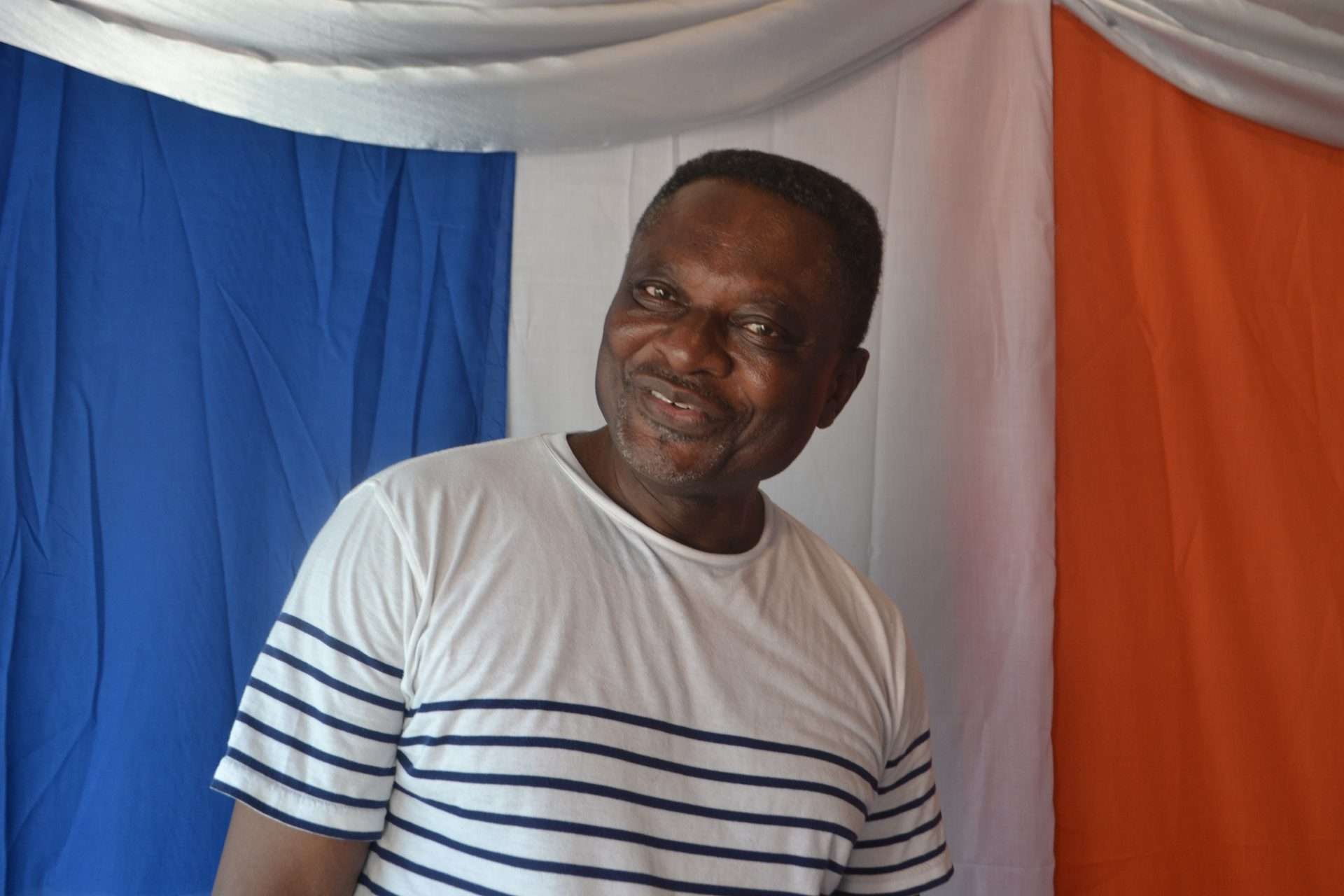
Anicet Ekane led the African Movement for New Independence and Democracy
Minette Lontsie / Wikimedia Commons
Anicet Ekane had been held in military custody for 38 days following post-election violence in October, while a long-running separatist crisis continues to affect western regions.
A bishop in Cameroon’s volatile South West region expressed sorrow at the death of the leading opposition figure Anicet Ekane.
Ekane, 74, died on Monday in military custody, according to a statement from the defence ministry. He had been in detention for 38 days following post-election violence, having joined a coalition that backed Issa Tchiroma Bakary’s claim to have won the October poll against President Paul Biya.
Speaking on the Divine Mercy Radio and TV Service, Bishop Michael Bibi of Buea said he was saddened by the news.
“It’s sad, it’s unfortunate that God has called him from this life and I think it becomes more painful when you realise that he died when he was under detention … and somebody of 74 years was under detention for political reasons,” the bishop said.
The cleric also dismissed claims that the Church in Cameroon has been compromised by its close relationship with the state.
“It’s a misconception that because you know somebody in government, because you relate with that person in government, then you cannot speak the truth,” he said.
He also addressed the general state of the nation, particularly the separatist crisis in Cameroon’s English-speaking North West and South West regions, where six Catholic priests have been kidnapped in recent months. The last of the six, Fr John Berinyuy, was released on 2 December amid widespread alarm at endemic kidnapping.
Bishop Bibi condemned the practice of kidnapping for ransom, saying it particularly endangers clergy who serve communities already facing immense hardship due to the crisis.
“I want to just use this medium to talk to all my brothers and my sisters, Cameroonians, those in the North West and South West regions, that let us be converted … to kidnap people, to go keep them, to ask for a ransom, is not the best thing to do,” Bibi said.
“We are already going through a lot. We are going through a lot of suffering. We are going through a lot of pains … And the Church is with us. Accompanying us in this difficult period … The priests are living even in miserable conditions because they want to identify with the people.”
Bibi decried the lockdowns under which the people of the two English-speaking regions live, noting that this also meant people’s voices were stolen during the last presidential election because “they could not vote”.
‘Keep politicians at arm’s length’
Democracies must ‘alternate’ leaders, says Cameroon bishop
Stay updated — add us as a preferred news source on Google:


Help us keep The Tablet’s voice independent, clear and far-reaching.
Founded in 1840, The Tablet is the leading independent English-language Catholic weekly, celebrated for great writing, astute analysis, brilliant arts and books reviews and trustworthy reporting from correspondents in Britain, Ireland, Rome and across the world.
Independent, high-quality journalism is at the heart of what we do. The Tablet does not have deep pockets and we are not funded by rich donors. If you appreciate our work please consider supporting The Tablet’s Development Fund. It only takes a moment and you can cancel at any time.
- Support with £5 per month
- Support with £10 per month
- Support with other amount.

MOST READ ARTICLES
-
1
Archbishop of Cardiff-Menevia meets with other worldwide Catholic Church leaders to discuss liturgy
-
2
Let there be light
-
3
World Humanitarian Day: aid workers face a ‘crisis of protection’
-
4
Ruling allows French private hospitals limited exemption from assisted suicide
-
5
A tract for our times
-
6
The wisdom of the saints
FROM THE EDITOR'S DESK