Churches seek ‘common understanding’ of Nicaea, says Pope before anniversary visit


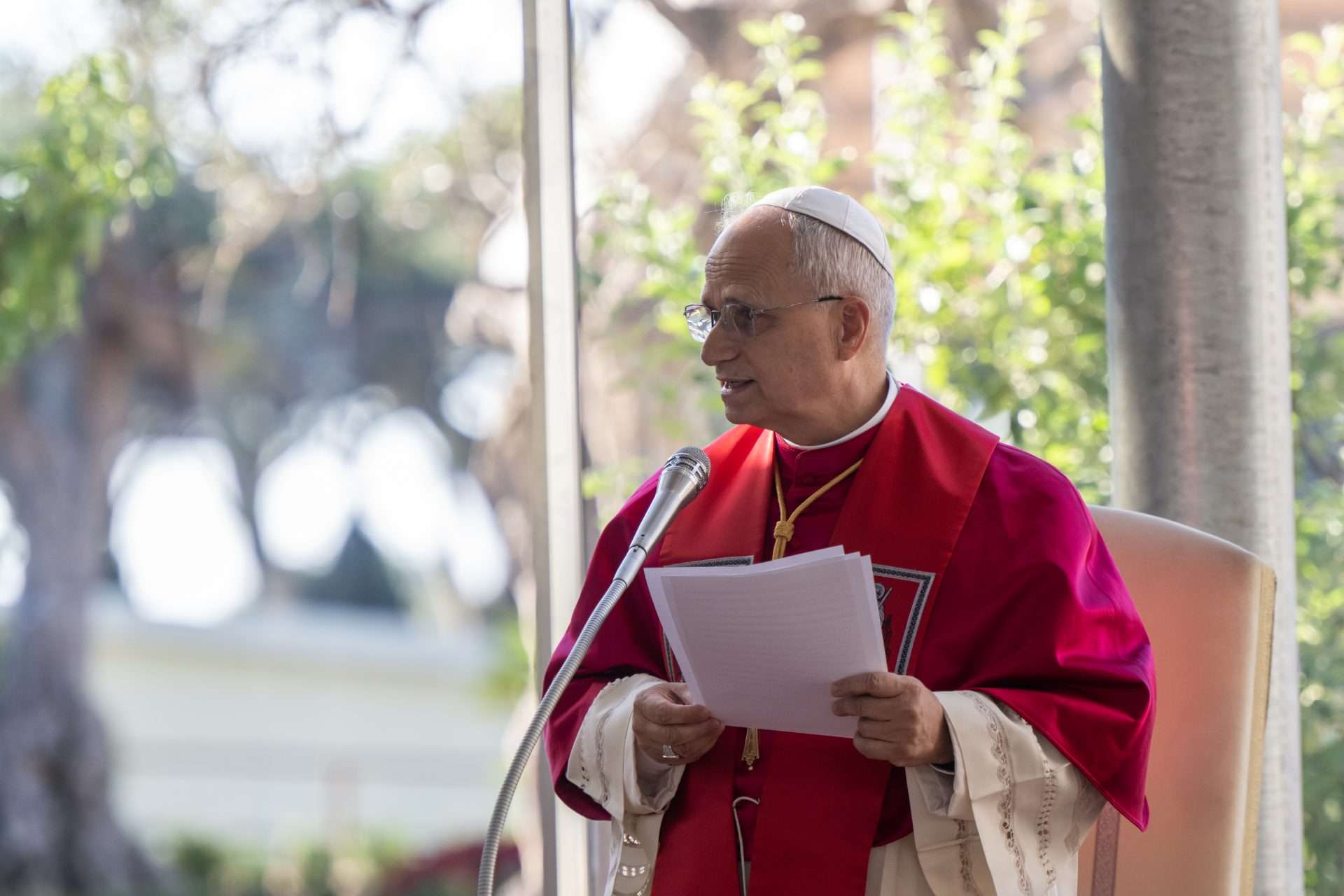
Pope Leo said the Council of Nicaea ‘revolutionises pagan and philosophical conceptions of God’.
Catholic Church in England and Wales / Mazur
‘The Nicene Creed does not formulate a philosophical theory,’ Pope Leo wrote in a new apostolic letter. ‘It professes faith in the God who redeemed us through Jesus Christ.’
The Council of Nicaea is “the common heritage of Christians”, the Pope said in an apostolic letter ahead of his visit to Turkey to mark its 1,700th anniversary.
The letter In Unitate Fidei, published on Sunday, details the historical context of the council in 325AD and its response in a profession of faith to Jesus’ question to the disciples at Caesarea Philippi: “Who do you say that I am?”
“The Nicene Creed does not formulate a philosophical theory,” Pope Leo wrote. “It professes faith in the God who redeemed us through Jesus Christ. It is about the living God who wants us to have life and to have it in abundance.”
The resolution of the council in response to the Arian heresy “revolutionises pagan and philosophical conceptions of God” through its understanding of the Incarnation.
Describing the “divinisation” expressed in the theology of the Incarnation as “true humanisation”, Pope Leo called on those who make this profession to reflect on its meaning for their lives.
“Love for God without love of neighbour is hypocrisy,” he said, “radical love of our neighbour, especially love for our enemies, without love for God, requires ‘heroism’ that would overwhelm and oppress us.”
He also emphasised its importance for ecumenism, as “a model of true unity in legitimate diversity … because unity without multiplicity is tyranny, multiplicity without unity is fragmentation”. He called on all Churches to “leave behind theological controversies that have lost their raison d’être in order to develop a common understanding and even more, a common prayer for the Holy Spirit”.
The letter does not mention the filioque clause in the version of the creed used by Catholics, which has been a point of contention with Orthodox Churches since the eleventh century.
Pope Leo called for “an ecumenism that looks to the future, that seeks reconciliation through dialogue as we share our gifts and spiritual heritage”.
On Friday he is due to take part in an ecumenical prayer service in Iznik, the modern location of Nicaea, alongside the Ecumenical Patriarch of Constantinople Bartholomew I, and to sign a joint statement with him at the Ecumenical Patriarchate of St George in Istanbul’s Fener district.
The Pope will also meet bishops, priests, deacons, Religious and pastoral workers at the Cathedral of the Holy Spirit, and hold a private meeting with local church leaders and Christian communities in the Syriac Orthodox Church of Mor Ephrem, opened in 2023 – the first church built and opened in Turkey since the founding of the Turkish Republic in 1923. His itinerary also includes a prayer visit to the Armenian Apostolic Cathedral, “reflecting the Vatican’s recognition of the historic and spiritual presence of the Armenian Apostolic Church in Istanbul”.
The Pope was due to depart for Turkey on Thursday, arriving in Ankara to meet President Recep Tayyip Erdoğan and visit the mausoleum of Mustafa Kemal Atatürk, the founder of the avowedly secular Turkish Republic. Pope Leo is the fifth pope to visit Turkey, following Paul VI, John Paul II, Benedict XVI and Francis.
Protests organised by Turkish nationalists took place last week in anticipation of the visit. Members of the left-wing Patriotic Party threatened to prevent the Pope’s visit to Iznik, with protesters shouting: “Ecumenism is a lie and an American complot.” The main speaker at a rally in Bursa near Iznik said: “This isn’t Byzantium.”
In Istanbul the Pope will visit the Sultan Ahmet (“Blue”) Mosque but not to the neighbouring Hagia Sophia. On Saturday 29 November he will celebrate Mass in Istanbul’s Volkswagen Arena. There are approximately 25,000 Catholics among Turkey’s small Christian minority.
Bishop Paolo Bizetti, the former Apostolic Vicar of Anatolia, said they belong to “a mosaic” of religious groups across the country.
“There’s political Islam, traditional religious Islam, the mystical Sufi current, the Alevi movement, agnosticism, or a sort of deism for many – and then, of course, significant Christian minorities,” he said. “Catholic pastoral work is severely limited, however, by laws and customs that make it difficult to build chapels, youth centres, or cultural venues. Everything happens within a few parishes, established a century ago under the Treaty of Lausanne.”
‘Common heritage’ of Nicaea can restore unity, says Leo in apostolic letter
What really happened after Nicaea
Stay updated — add us as a preferred news source on Google:


Help us keep The Tablet’s voice independent, clear and far-reaching.
Founded in 1840, The Tablet is the leading independent English-language Catholic weekly, celebrated for great writing, astute analysis, brilliant arts and books reviews and trustworthy reporting from correspondents in Britain, Ireland, Rome and across the world.
Independent, high-quality journalism is at the heart of what we do. The Tablet does not have deep pockets and we are not funded by rich donors. If you appreciate our work please consider supporting The Tablet’s Development Fund. It only takes a moment and you can cancel at any time.
- Support with £5 per month
- Support with £10 per month
- Support with other amount.

MOST READ ARTICLES
-
1
Pope returns to Vatican after hospital discharge
-
2
Diverse schools that are 100 per cent Catholic
-
3
Under endless skies
-
4
Battling confession fatigue
-
5
Nigerian bishop scorns suggestion of running in presidential election
-
6
Schismatic Spanish nuns strip contents of convent before eviction
FROM THE EDITOR'S DESK


