Indian Church joins mourning for Red Fort car bomb victims


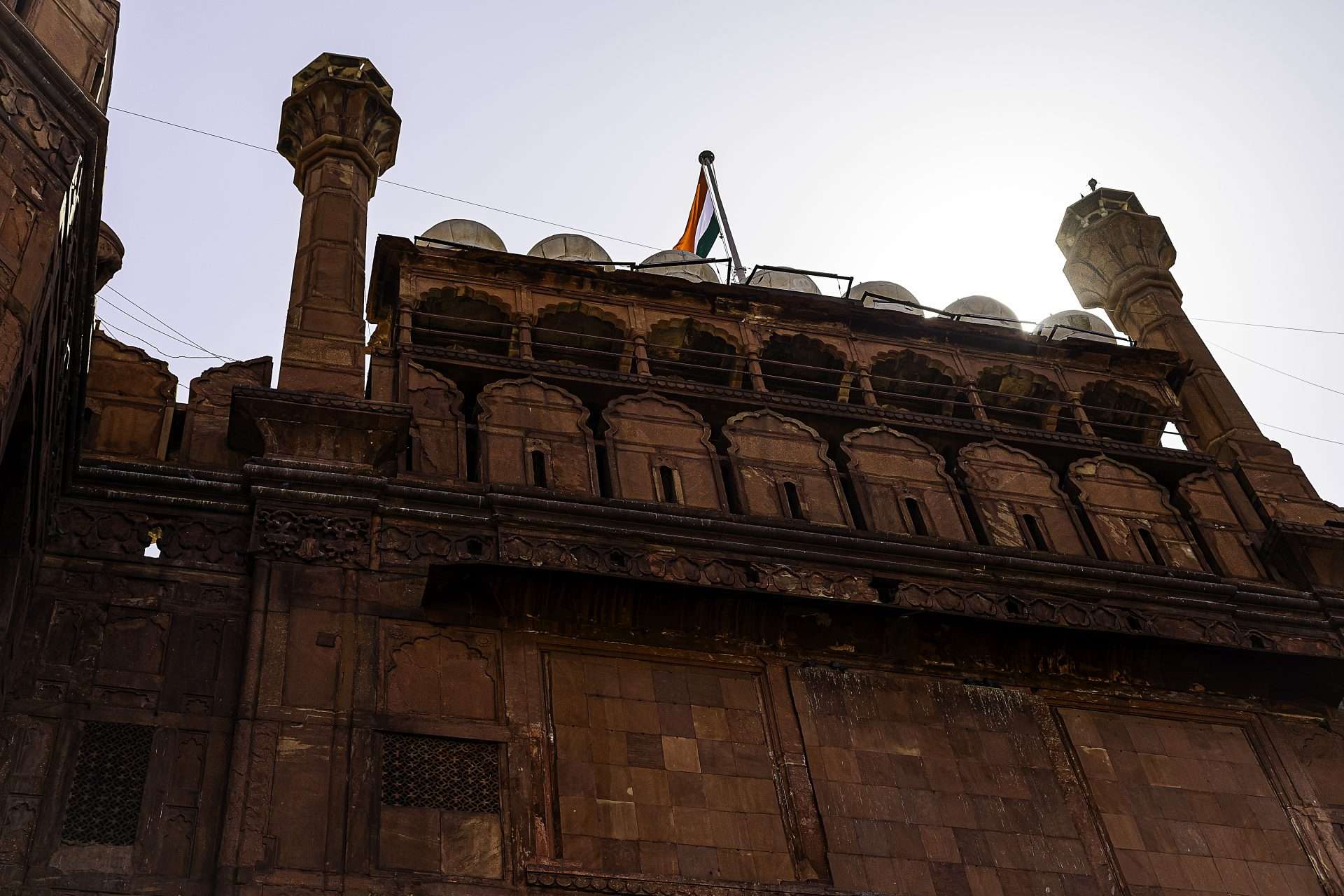
A car bomb detonated close to the seventeenth-century Red Fort.
Arend Kuester / flickr | Creative Commons
The bomber Dr Umar ul Nabi, an assistant professor in General Medicine, was allegedly part of a network of fellow doctors and white-collar workers plotting terror strikes.
The Catholic bishops of India expressed deep sorrow at the loss of life in a bomb explosion that killed 13 people in Delhi and left many others injured.
On the evening of 10 November, a suicide bomber blew up a car laden with explosives at a signal on a busy road close to a metro station and the Red Fort, a seventeenth-century monument built by the emperor Shah Jahan which is popular with tourists. The Indian capital has never suffered a car bombing before.
In a statement offering “heartfelt condolences” to the families of those killed, the Catholic Bishops’ Conference of India (CBCI) said “our thoughts and prayers are with all those who are experiencing immense pain at this time. We also pray for the speedy recovery of the injured.”
The bomber Dr Umar ul Nabi, an assistant professor in General Medicine, was allegedly part of a network plotting terror strikes. His purported accomplices, including a woman Shaheen Sayeed, were mostly fellow doctors, some serving at Al Falah University at Faridabad in northern Haryana state.
They were apprehended following the raid of “a suspected terrorist cell” in Faridabad on 9-10 November. Seven militants were arrested and weapons and large amounts of explosive-making materials were seized from multiple states.
Barely three days after the attack, an “accidental” explosion took place in the open area at Nowgam police station in Jammu and Kashmir, where the confiscated explosives were kept for investigation. Nine people were killed and 32 injured, mainly police and forensic personnel. Nearby buildings were also damaged.
Ruling out any terror angle, the Director General of Police Nalin Prabhat said that the explosion was caused “accidentally” and “any other speculation” was unnecessary.
The bishops exhorted the faithful to be “vigilant and report any suspicious activity to the police without delay” following the concerns incidents. They directed parish priests to “inform the competent authorities about any suspicious activity or abandoned objects in or near church premises”.
“Let us remain united as one community,” the CBCI statement said, “let us maintain peace and work together to ensure the safety and well-being of all citizens. Let us continue to pray for peace and security in our beloved nation.”
A statement from the All India Catholic Union (AICU) “unequivocally condemned wanton acts of terrorist violence” and emphasised that “no political, ideological, religious or sectarian reason can justify such bloodshed”.
Recalling the Pahalgam tragedy in Jammu and Kashmir state in April this year, when 26 tourists, all men, including a Christian, were killed in a terrorist attack, the AICU said that “beyond the immediate shock, grief and condemnation, terrorism’s true toll is in a cascade of private agonies, of the injured and the families of the dead”.
“Beyond panic, and the slow task of rebuilding shattered homes, is the grave fracture of communities as suspicion seeps in, neighbours eye strangers, religious and ethnic minorities fear a backlash,” the statement said.
Ceasefire in Kashmir after Church prays for peace
India needs honest debates about religion that do not fuel conspiracies
Stay updated — add us as a preferred news source on Google:


Help us keep The Tablet’s voice independent, clear and far-reaching.
Founded in 1840, The Tablet is the leading independent English-language Catholic weekly, celebrated for great writing, astute analysis, brilliant arts and books reviews and trustworthy reporting from correspondents in Britain, Ireland, Rome and across the world.
Independent, high-quality journalism is at the heart of what we do. The Tablet does not have deep pockets and we are not funded by rich donors. If you appreciate our work please consider supporting The Tablet’s Development Fund. It only takes a moment and you can cancel at any time.
- Support with £5 per month
- Support with £10 per month
- Support with other amount.

MOST READ ARTICLES
-
1
Archbishop of Cardiff-Menevia meets with other worldwide Catholic Church leaders to discuss liturgy
-
2
Let there be light
-
3
World Humanitarian Day: aid workers face a ‘crisis of protection’
-
4
Ruling allows French private hospitals limited exemption from assisted suicide
-
5
A tract for our times
-
6
The wisdom of the saints
FROM THE EDITOR'S DESK