Ukraine’s underground Church


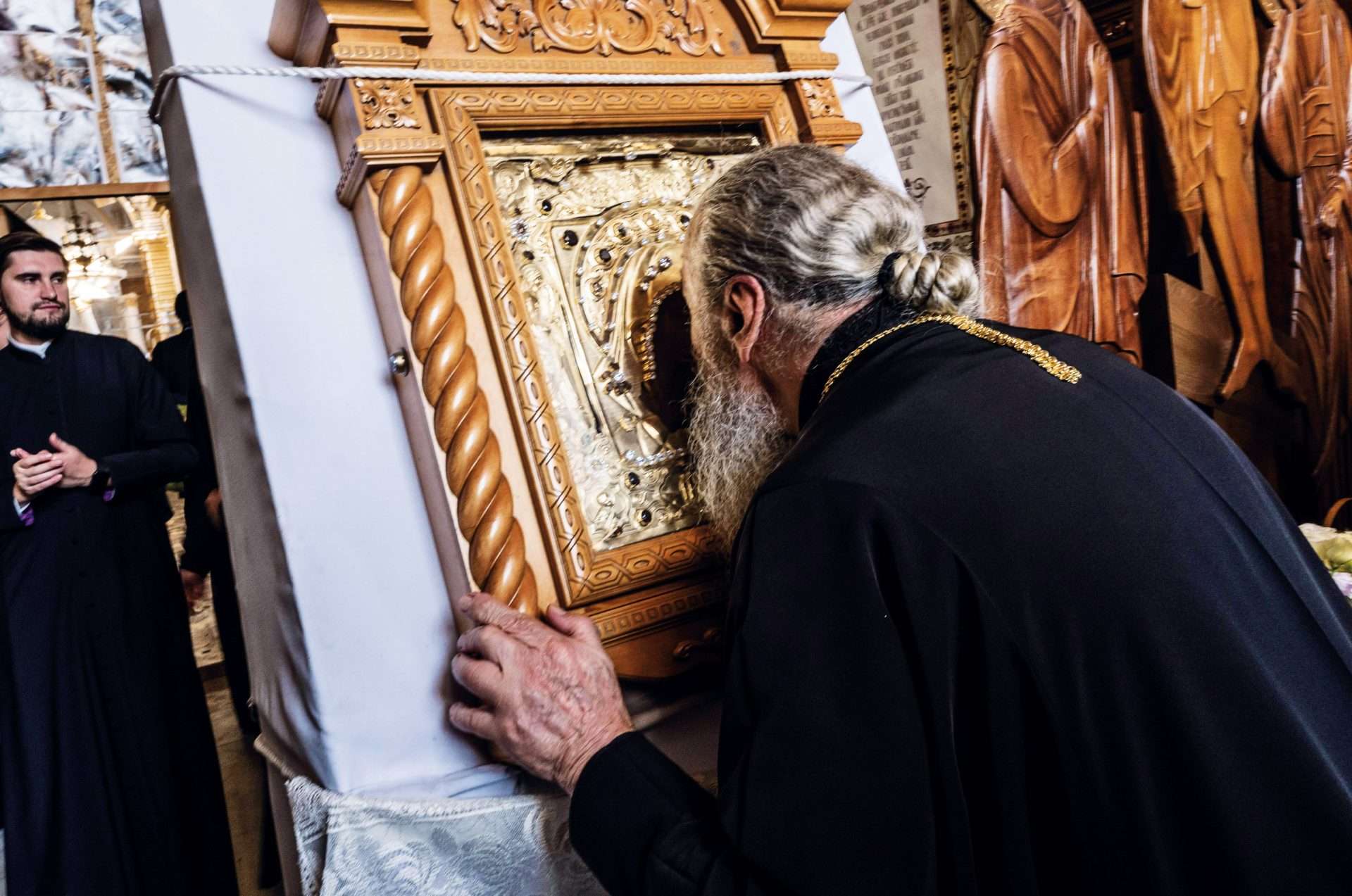
Metropolitan Onufriy inspects damage following a Russian missile strike in Odesa
Alamy/Zuma, Svet Jacqueline
Tablet features – religious freedom and Ukraine
It is a weekday afternoon in Cherkasy, a city in central Ukraine on the bank of the Dnieper River, about 200 km south of Kyiv. A babusya (Ukrainian for grandma), printed headscarf tied under her chin, leans against a cold concrete wall with one hand and carefully lowers herself into the basement beneath a Soviet-era brezhnevka apartment block. Behind the heavy metal door, the stairwell smells of damp. And cold frankincense. You might think she is going into her cellar for potatoes, but you would be wrong: she is entering her parish church.
Get Instant Access
Continue Reading
Register for free to read this article in full
Subscribe for unlimited access
From just £37.50 quarterly
Print copy of The Tablet delivered directly to your door.
Complete access to all Tablet website content including all premium content.
Access to the weekly digital copy of The Tablet.
Full access to The Tablet’s archive – over 180 years of back issues.

Already a subscriber? Login

Help us keep The Tablet’s voice independent, clear and far-reaching.
Founded in 1840, The Tablet is the leading independent English-language Catholic weekly, celebrated for great writing, astute analysis, brilliant arts and books reviews and trustworthy reporting from correspondents in Britain, Ireland, Rome and across the world.
Independent, high-quality journalism is at the heart of what we do. The Tablet does not have deep pockets and we are not funded by rich donors. If you appreciate our work please consider supporting The Tablet’s Development Fund. It only takes a moment and you can cancel at any time.
- Support with £5 per month
- Support with £10 per month
- Support with other amount.

MOST READ ARTICLES
-
1
Archbishop of Cardiff-Menevia meets with other worldwide Catholic Church leaders to discuss liturgy
-
2
Let there be light
-
3
World Humanitarian Day: aid workers face a ‘crisis of protection’
-
4
Ruling allows French private hospitals limited exemption from assisted suicide
-
5
A tract for our times
-
6
The wisdom of the saints
FROM THE EDITOR'S DESK