Christianity in a digital age


Wikimedia Commons
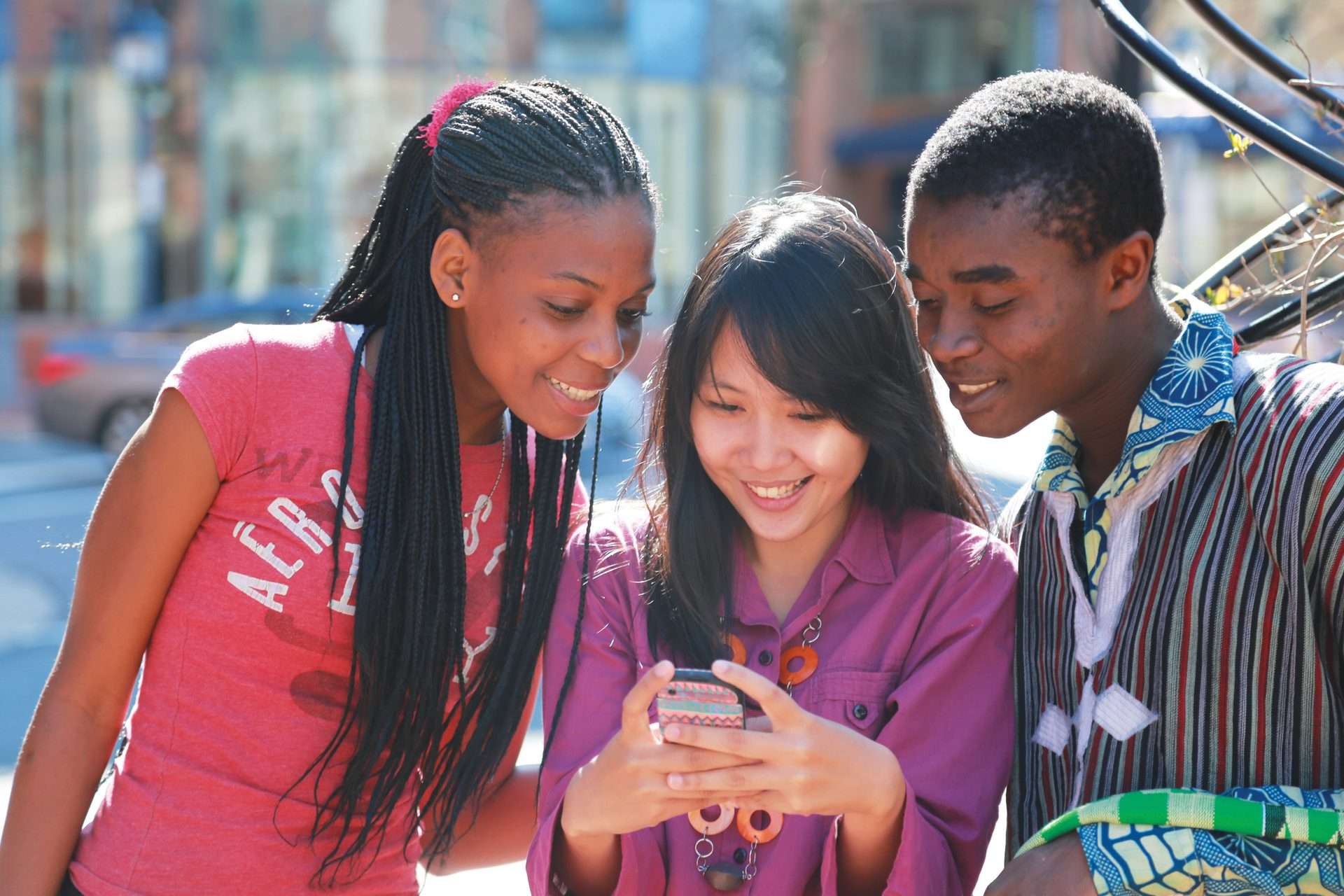
History shows that how the Churches respond to technological innovations such as artificial intelligence and new ways of communicating is impossible to predict. Amid the inevitable surprises, the only certainty is that the message as well as the medium will change
We Irish seem to have a knack for storytelling. Maybe it’s the old Bardic tradition, or the result of being born on an island, or maybe it’s just the “gift of the gab”, as we like to say. In my latest book, Christianity at the Crossroads, based on the Gifford Lectures I delivered in 2021, my aim was to tell stories that would help readers understand some of the great trends in world Christianity over half of a millennium between two communications revolutions – print and digital media – but to do it in a fresh way, considering how people and ideas move from place to place and get changed. In search of explanations, social historians like me tend to focus on underlying structures, trends and big themes – analytical categories more than personal narratives. Hence, there is often a tension between narrative history, or stories, and identifying deeper levels of causation. I tried to do both by carefully selecting stories with deeper meanings.
Get Instant Access
Continue Reading
Register for free to read this article in full
Subscribe for unlimited access
From just £37.50 quarterly
Print copy of The Tablet delivered directly to your door.
Complete access to all Tablet website content including all premium content.
Access to the weekly digital copy of The Tablet.
Full access to The Tablet’s archive – over 180 years of back issues.

Already a subscriber? Login

Help us keep The Tablet’s voice independent, clear and far-reaching.
Founded in 1840, The Tablet is the leading independent English-language Catholic weekly, celebrated for great writing, astute analysis, brilliant arts and books reviews and trustworthy reporting from correspondents in Britain, Ireland, Rome and across the world.
Independent, high-quality journalism is at the heart of what we do. The Tablet does not have deep pockets and we are not funded by rich donors. If you appreciate our work please consider supporting The Tablet’s Development Fund. It only takes a moment and you can cancel at any time.
- Support with £5 per month
- Support with £10 per month
- Support with other amount.

MOST READ ARTICLES
-
1
Archbishop of Cardiff-Menevia meets with other worldwide Catholic Church leaders to discuss liturgy
-
2
Let there be light
-
3
World Humanitarian Day: aid workers face a ‘crisis of protection’
-
4
Ruling allows French private hospitals limited exemption from assisted suicide
-
5
A tract for our times
-
6
The wisdom of the saints
FROM THE EDITOR'S DESK