The Tablet Development Fund Appeal 2025


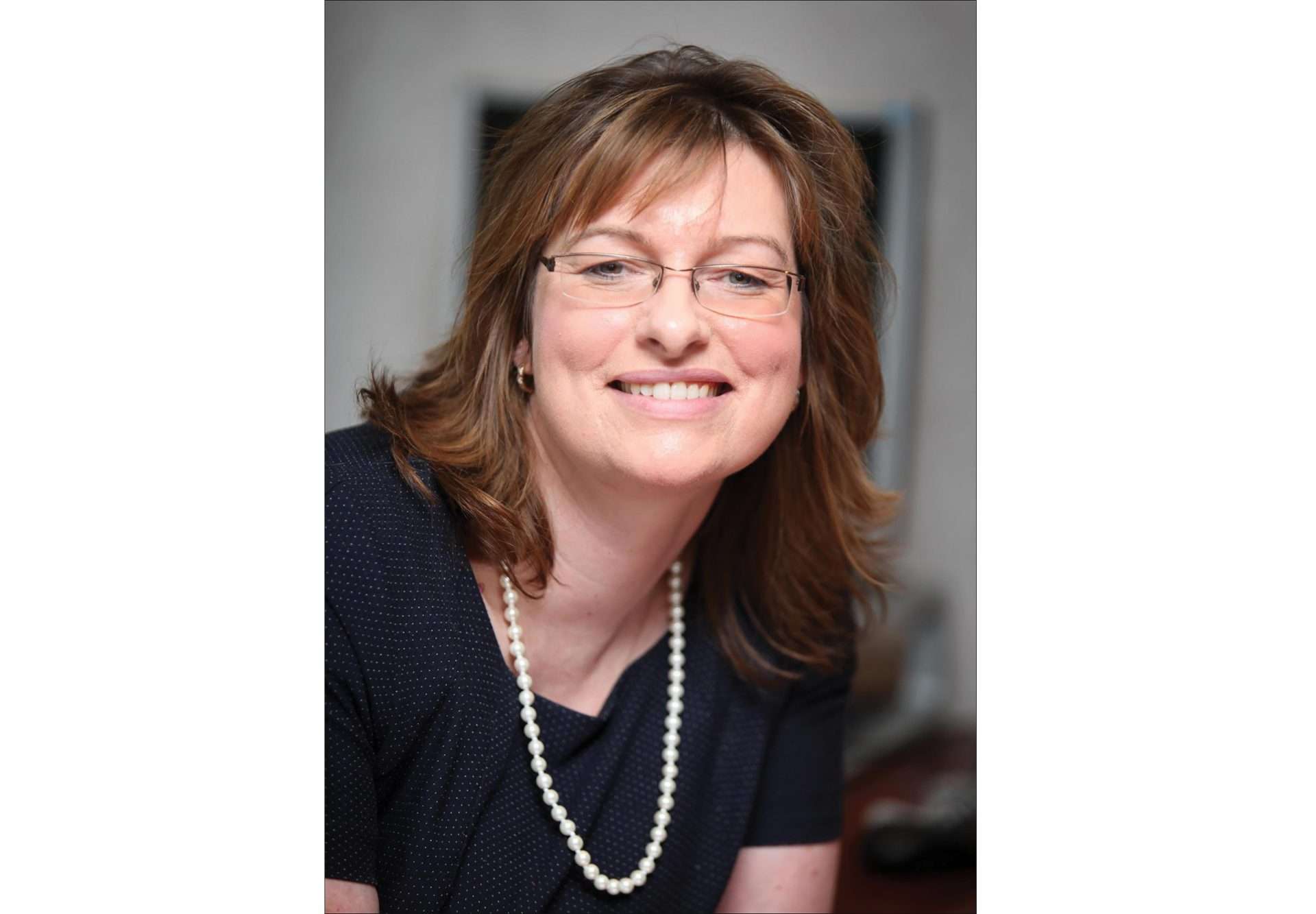
Amanda Davison-Young
Please help us to keep the conversation going for many years to come
As a child of the sixties growing up in a family which didn’t have much, I remember being surrounded by neighbours who were all pretty much in the same boat. But if we didn’t have something, a necessity of life, there was always a good neighbour who would help us out. And it was the same for everyone. We had nothing but we wanted for nothing. Out of scarcity came generosity.
My mother seemed able to pull a meal out of thin air. She catered every evening for a big family and she did it with pride, with the table always properly set, prayers always said in thankfulness for the food which was put before us all, and always much talk and chatter about the day.
And there always seemed to be a guest. They would be welcomed with open arms and treated like family, encouraged to contribute to the evening’s conversation. A new face would always bring a different perspective to the table. As Jesus said to his disciples: “Everything I have is yours and everything you have is mine” (John 17.10).
I remember these times with great fondness. As I watched “liberation day” in the United States unfold I was taken back to those formative days of my youth. Where have they gone? Today when I listen to the news all I seem to hear is politicians telling me that the right way to increase spending on defence is to reduce spending on welfare and decreasing the aid we give to some of the poorest communities overseas; that we should celebrate and applaud the imposition of tariffs that will hurt the poor and the vulnerable; that we should “drill baby drill”.
All of this makes me hanker back to a time when the planet mattered and when people mattered, whoever they were and wherever they came from, and when we could trust that those we elected to govern us knew it was their primary responsibility to manage the country’s affairs so that the most vulnerable were valued and taken care of – and when we knew they would be dispatched if they failed. Maybe I am looking back through rose-tinted spectacles.
Jesus said: “It is easier for a camel to go through the eye of a needle, than for a rich man to enter into the kingdom of God”. There is a futility in believing that wealth will secure a good life. The current economic headwinds help us understand what is important in life: loyalty, dedication and a commitment to openness and truth. Friendship with God and with others.
Every week, we invite new guests to the pages of The Tablet, helping us to make sense of the muddle that the world seems to be in. We don’t necessarily agree with them: we learn more from disagreement between friends than from people who tell us what we want to hear. That extra guest who pulls up a chair at our table – whether a new reader, a subscriber, a contributor, an advertiser or a supplier – is always welcome.
As we launch our Tablet Development Fundraising appeal in this Jubilee year we are reminded that we are all invited to be pilgrims of hope. In our small way, this is how we see the mission of The Tablet. We aim to be rigorous and without fear or favour in our reporting, to follow a story wherever it leads, even if this might sometimes be uncomfortable for some in the Church – but always in light of our faith that, in the end, truth will triumph over lies, and good over evil.
The Tablet is not exempt from the impact of the additional taxes and tariffs that will affect every business this year. Our kind of independent, high-quality journalism is not cheap. We do not have deep pockets and we are not funded by a wealthy institution or rich donors – we rely almost entirely on you, our readers, to keep the good ship Tablet afloat. If you appreciate our work please consider supporting The Tablet’s Development Fund. It only takes a moment and you can cancel at any time.
Amanda Davison-Young, Chief Executive Officer
Login
Please login to comment
0 Comments
Oldest

Help us keep The Tablet’s voice independent, clear and far-reaching.
Founded in 1840, The Tablet is the leading independent English-language Catholic weekly, celebrated for great writing, astute analysis, brilliant arts and books reviews and trustworthy reporting from correspondents in Britain, Ireland, Rome and across the world.
Independent, high-quality journalism is at the heart of what we do. The Tablet does not have deep pockets and we are not funded by rich donors. If you appreciate our work please consider supporting The Tablet’s Development Fund. It only takes a moment and you can cancel at any time.
- Support with £5 per month
- Support with £10 per month
- Support with other amount.

MOST READ ARTICLES
-
1
Archbishop of Cardiff-Menevia meets with other worldwide Catholic Church leaders to discuss liturgy
-
2
Let there be light
-
3
World Humanitarian Day: aid workers face a ‘crisis of protection’
-
4
Ruling allows French private hospitals limited exemption from assisted suicide
-
5
A tract for our times
-
6
The wisdom of the saints
FROM THE EDITOR'S DESK