Indian Supreme Court burial verdict reflects tensions over minority rights


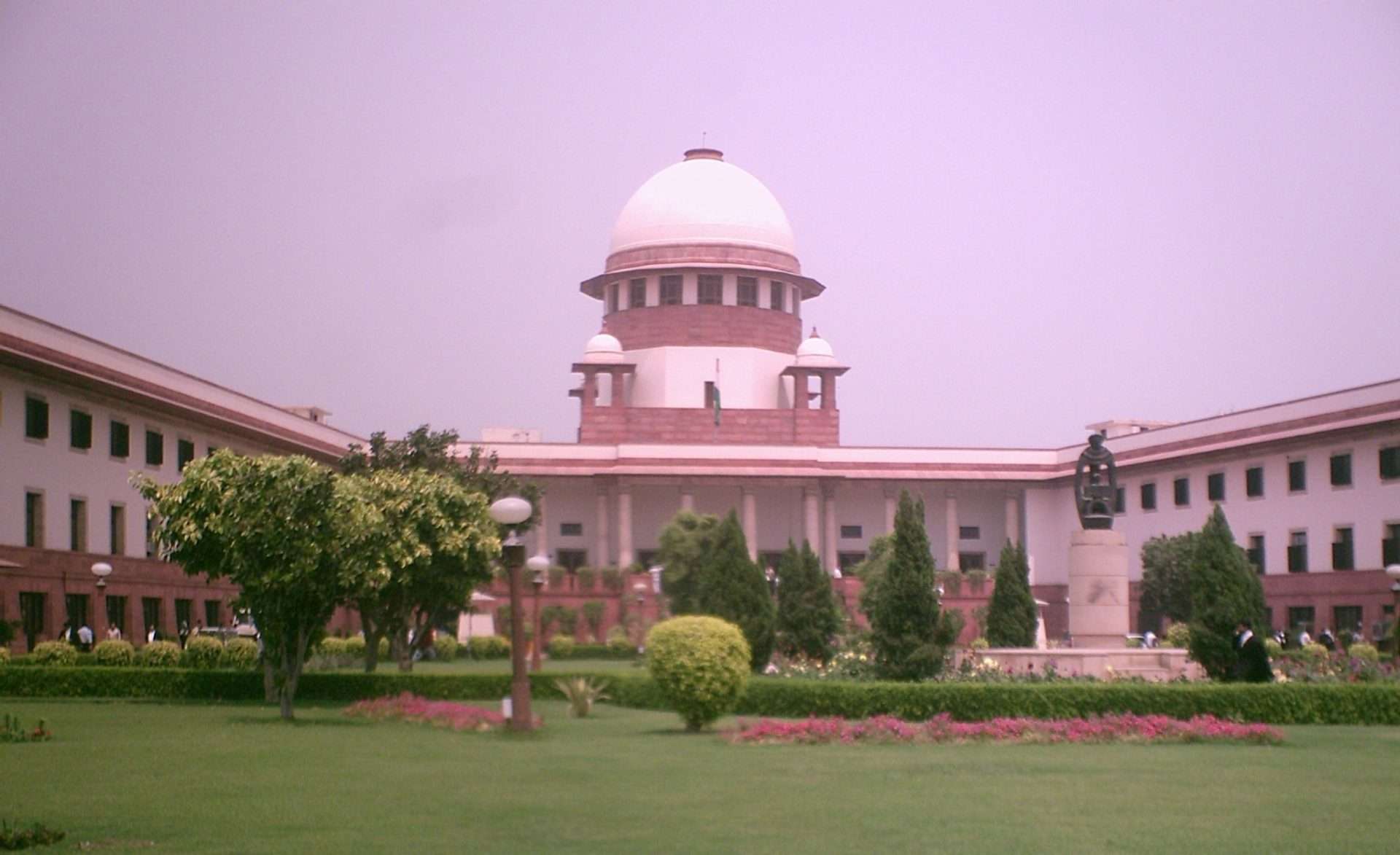
The Supreme Court building in Delhi
Wikimedia Commons
The court delivered a split verdict on Pastor Subhash Baghel’s burial, reflecting the complexities of religious freedoms, land rights, and communal harmony.
A dispute over the burial of a Christian pastor in the central Indian state of Chhattisgarh provoked significant legal and social debate.
Pastor Subhash Baghel died on 7 January in the village of Chhindawada village. His family, who had converted to Christianity years ago, sought to bury him in the village graveyard where their ancestors had been interred, but faced opposition from villagers who objected to the burial on the grounds of the family’s religious conversion.
At the end of January, the case reached the Supreme Court of India after local authorities failed to resolve the conflict. The court delivered a split verdict on 27 January, reflecting the complexities of religious freedoms, land rights, and communal harmony.
Justice B.V. Nagarathna criticised the local administration for denying the burial, saying: “Denying a person a dignified burial due to their religious identity is against the principles of the Indian Constitution.” She proposed that Baghel be buried on his private agricultural land in Chhindawada and further directed the Chhattisgarh government to designate Christian burial grounds across the state within two months to prevent similar incidents in the future.
In contrast, Justice Satish Chandra Sharma emphasised the need to adhere to existing regulations. “Burials must take place in officially designated areas to maintain public health standards and ensure communal harmony,” he said, also noting the lack of an officially designated Christian burial ground in Chhindawada.
Given the urgency of the case – the pastor’s body had remained in a morgue for weeks – the court decided not to escalate the case to a larger bench. Instead, it ruled that Baghel be buried in a Christian burial ground in Karkapal, located 12 miles away from Chhindawada. The court also directed the state to provide police protection and logistical support for the burial.
The Supreme Court’s divided verdict reflects the legal tensions between individual religious rights and administrative regulations, and the broader implications of such verdicts for religious rights and minority protections in India.
The directive for state authorities to designate Christian burial sites sets a precedent for addressing similar issues in the future, but also leave significant questions about the role of local governance in balancing the rights of religious minorities with community sentiments.
Stay updated — add us as a preferred news source on Google:


Help us keep The Tablet’s voice independent, clear and far-reaching.
Founded in 1840, The Tablet is the leading independent English-language Catholic weekly, celebrated for great writing, astute analysis, brilliant arts and books reviews and trustworthy reporting from correspondents in Britain, Ireland, Rome and across the world.
Independent, high-quality journalism is at the heart of what we do. The Tablet does not have deep pockets and we are not funded by rich donors. If you appreciate our work please consider supporting The Tablet’s Development Fund. It only takes a moment and you can cancel at any time.
- Support with £5 per month
- Support with £10 per month
- Support with other amount.

MOST READ ARTICLES
-
1
Archbishop of Cardiff-Menevia meets with other worldwide Catholic Church leaders to discuss liturgy
-
2
Let there be light
-
3
World Humanitarian Day: aid workers face a ‘crisis of protection’
-
4
Ruling allows French private hospitals limited exemption from assisted suicide
-
5
A tract for our times
-
6
The wisdom of the saints
FROM THE EDITOR'S DESK