Lithuania mourns Russian Orthodox leader of different era


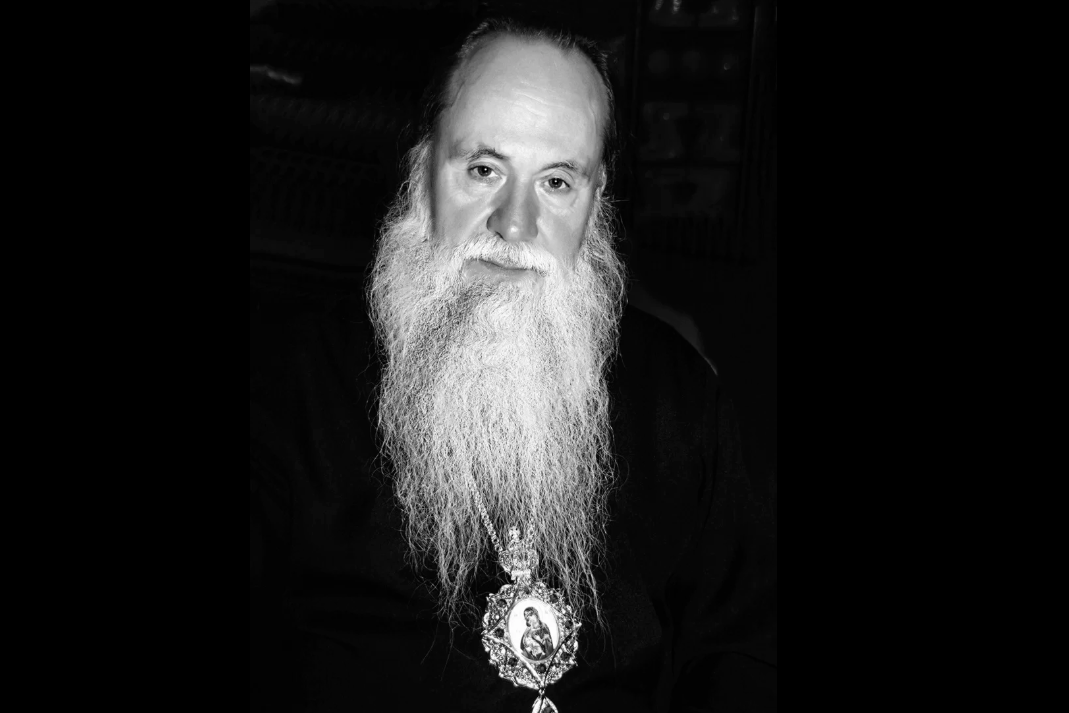
Metropolitan Chrysostomos of Vilnius took office at a crucial time, when Lithuania’s new-found independence was under threat.
Wikimedia Commons
“I remember the late Archbishop Chrysostomos as a good shepherd with whom I had a truly beautiful ecumenical relationship,” recalled Cardinal Audrys Juozas Bačkis.
Metropolitan Chrysostomos, who headed of the Vilnius-Lithuania Diocese of the Russian Orthodox Church from 1990 to 2010, died on 6 January aged 90.
“Metropolitan Chrysostomos was always an advocate of dialogue with Christians of different denominations. For ten years before his appointment to Lithuania, as vice-chairman of the External Relations Department of the Moscow Patriarchate, he made a significant contribution to rapprochement with other Christian communities, and brought this good experience to Lithuania,” said Fr Justin Kiviloo, Exarch of the Ecumenical Patriarchate in Lithuania, in a statement.
“I remember the late Archbishop Chrysostomos as a good shepherd with whom I had a truly beautiful ecumenical relationship,” recalled Cardinal Audrys Juozas Bačkis, the former Archbishop of Vilnius.
“In 1997, when the former Patriarch of Moscow Alexyi visited Vilnius, we met together at the Gate of Dawn Chapel for a common prayer and blessing of the Catholic and Orthodox faithful gathered in the street. During the opening of the 2000 Jubilee, Archbishop Chrysostomos participated in an ecumenical service in Vilnius Cathedral Square.”
Chrysostomos took office at a crucial time, when Lithuania’s new-found independence was under threat. He showed unwavering support for the independence cause and played an important role in the efforts to integrate the Vilnius-Lithuanian Diocese into the life of independent Lithuania.
“Sometimes one fundamental act or decision is enough to determine both how a person is judged,” said Paulius Subačius, a professor of philology at Vilnius University, speaking to The Tablet. “Chrysostomos acted as a true Christian pastor when he clearly condemned the use of military force by the occupying army and the massacre of freedom-seeking civilians during the events of 13 January, 1991.
“Because of that, the Lithuanian people accepted him as one of their own, and throughout his reign, there were no conflicts between the state or the Catholic society and the Orthodox community in Lithuania. More importantly,” he continued, “he was the first cleric of episcopal rank in the Moscow Patriarchate who, by his own decision, publicly confessed that he had been recruited by the KGB and renounced these ties.”
Stay updated — add us as a preferred news source on Google:


Help us keep The Tablet’s voice independent, clear and far-reaching.
Founded in 1840, The Tablet is the leading independent English-language Catholic weekly, celebrated for great writing, astute analysis, brilliant arts and books reviews and trustworthy reporting from correspondents in Britain, Ireland, Rome and across the world.
Independent, high-quality journalism is at the heart of what we do. The Tablet does not have deep pockets and we are not funded by rich donors. If you appreciate our work please consider supporting The Tablet’s Development Fund. It only takes a moment and you can cancel at any time.
- Support with £5 per month
- Support with £10 per month
- Support with other amount.

MOST READ ARTICLES
-
1
Archbishop of Cardiff-Menevia meets with other worldwide Catholic Church leaders to discuss liturgy
-
2
Let there be light
-
3
World Humanitarian Day: aid workers face a ‘crisis of protection’
-
4
Ruling allows French private hospitals limited exemption from assisted suicide
-
5
A tract for our times
-
6
The wisdom of the saints
FROM THE EDITOR'S DESK