A real thriller


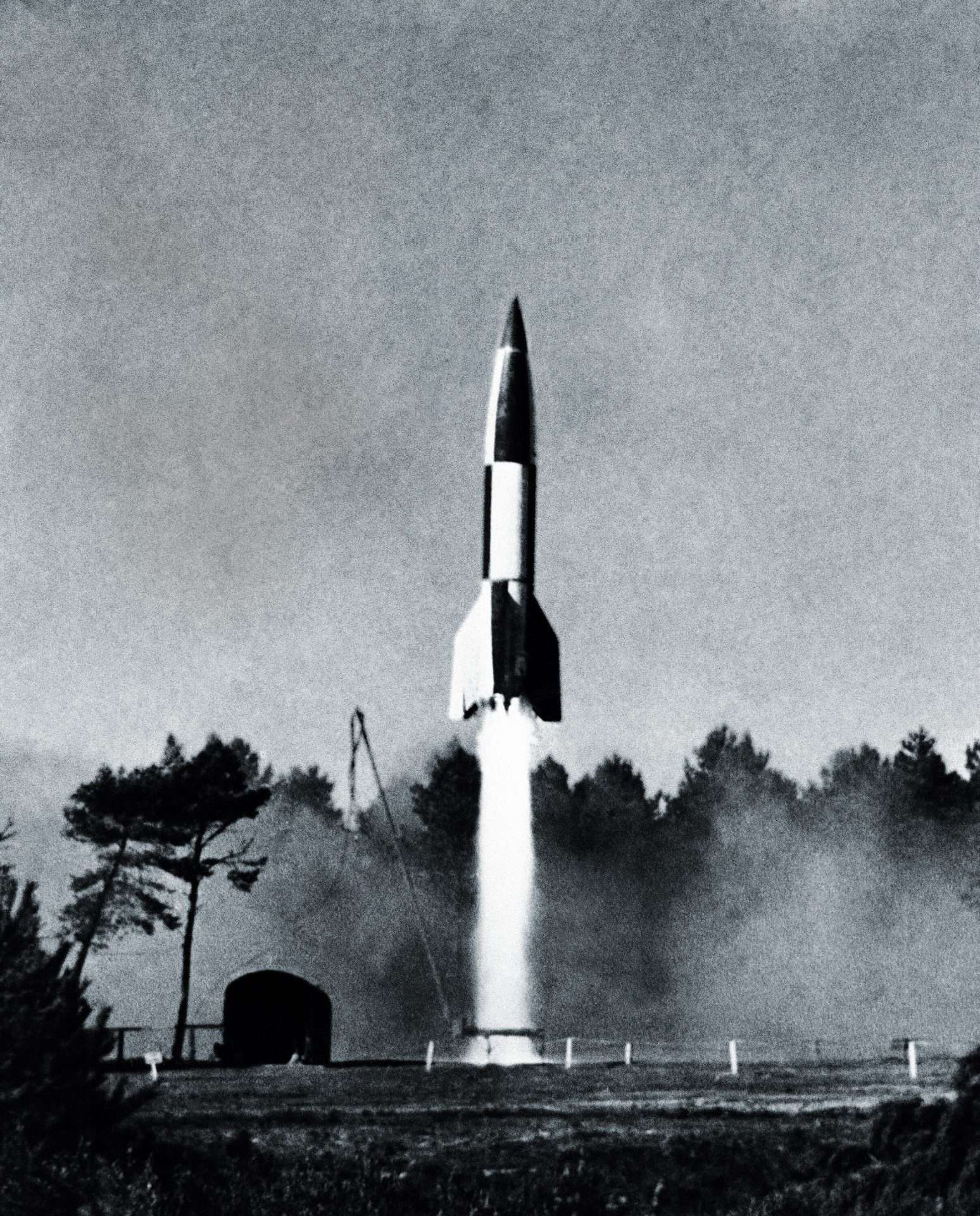
A V-2 rocket launch at Cuxhaven, Germany, in 1945
ALAMY/AP
The V-2, the world’s first ballistic missile, plunged from the fringes of space at supersonic speed
IN THE DYING DAYS of the Second World War, British intelligence analyst R.V. Jones was a worried man. Reports of strange activity at Peenemünde, off the coast of Germany, and fragments of crashed vehicles which bore traces of ethanol and oxygen – rocket fuel? – convinced him that Hitler was developing something unique. His fears were dismissed by his superiors as fantasy, but the smiles soon faded as the V-1s and V-2s began falling on London. The V-1 flying bombs – doodlebugs in cockney parlance – could be shot down or tipped off course. The V-2, the world’s first ballistic missile, could not be destroyed in flight, as it plunged from the fringes of space at supersonic speed. London urgently needed more information.
Get Instant Access
Continue Reading
Register for free to read this article in full
Subscribe for unlimited access
From just £37.50 quarterly
Print copy of The Tablet delivered directly to your door.
Complete access to all Tablet website content including all premium content.
Access to the weekly digital copy of The Tablet.
Full access to The Tablet’s archive – over 180 years of back issues.

Already a subscriber? Login

Help us keep The Tablet’s voice independent, clear and far-reaching.
Founded in 1840, The Tablet is the leading independent English-language Catholic weekly, celebrated for great writing, astute analysis, brilliant arts and books reviews and trustworthy reporting from correspondents in Britain, Ireland, Rome and across the world.
Independent, high-quality journalism is at the heart of what we do. The Tablet does not have deep pockets and we are not funded by rich donors. If you appreciate our work please consider supporting The Tablet’s Development Fund. It only takes a moment and you can cancel at any time.
- Support with £5 per month
- Support with £10 per month
- Support with other amount.

MOST READ ARTICLES
-
1
Archbishop of Cardiff-Menevia meets with other worldwide Catholic Church leaders to discuss liturgy
-
2
Let there be light
-
3
World Humanitarian Day: aid workers face a ‘crisis of protection’
-
4
Ruling allows French private hospitals limited exemption from assisted suicide
-
5
A tract for our times
-
6
The wisdom of the saints
FROM THE EDITOR'S DESK