Can the Catholic Church in Hungary rebuild its credibility under a new government?


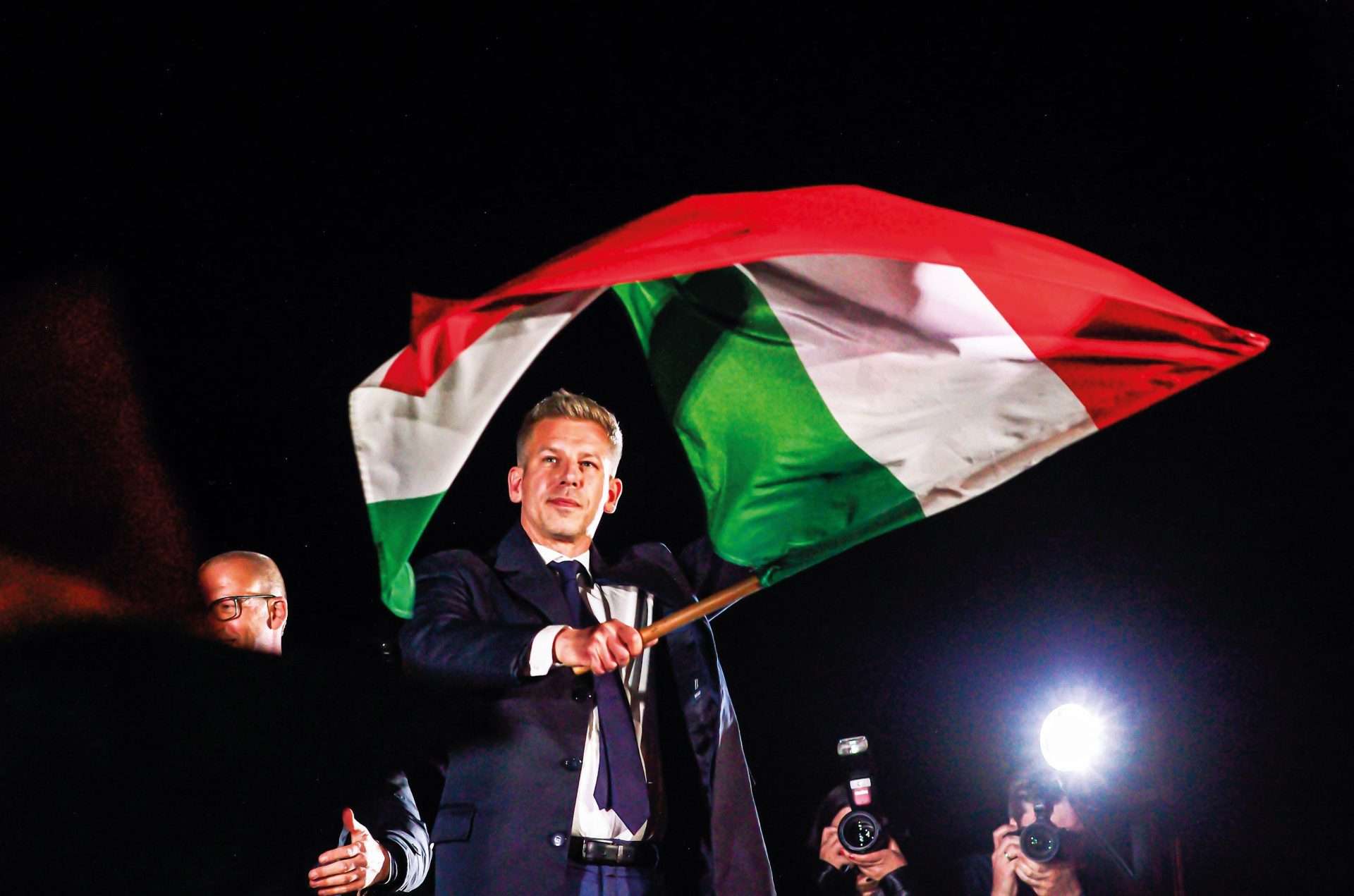
Tisza party leader Péter Magyar: gently integrating Catholicism into his public image
ALAMY/SIPA USA, NEIL MILTON
With its reputation tainted by association with a regime embroiled in scandal and corruption, the Hungarian Church faces a reckoning after Péter Magyar’s election victory.
The landslide defeat of Viktor Orbán’s far-right Fidesz party in Hungary’s parliamentary elections on Low Sunday opens a new chapter in the country’s national story. The centre right Tisza party, led by former Fidesz insider Péter Magyar, won 54 per cent of the vote to Fidesz’s 38 per cent, securing a whopping two-thirds (141 out of 199 seats) supermajority in Hungary’s unicameral legislature.
The result has prompted speculation about the future of the populist right in Europe – of whose rise Fidesz was both a harbinger and an enabler. It also raises difficult questions for Hungary’s mainstream Churches, and their role in the “illiberal democracy” in place since Orbán’s return as prime minister in 2010.
Get Instant Access
Continue Reading
Register for free to read this article in full
Subscribe for unlimited access
From just £37.50 quarterly
Print copy of The Tablet delivered directly to your door.
Complete access to all Tablet website content including all premium content.
Access to the weekly digital copy of The Tablet.
Full access to The Tablet’s archive – over 180 years of back issues.

Already a subscriber? Login

Help us keep The Tablet’s voice independent, clear and far-reaching.
Founded in 1840, The Tablet is the leading independent English-language Catholic weekly, celebrated for great writing, astute analysis, brilliant arts and books reviews and trustworthy reporting from correspondents in Britain, Ireland, Rome and across the world.
Independent, high-quality journalism is at the heart of what we do. The Tablet does not have deep pockets and we are not funded by rich donors. If you appreciate our work please consider supporting The Tablet’s Development Fund. It only takes a moment and you can cancel at any time.
- Support with £5 per month
- Support with £10 per month
- Support with other amount.

MOST READ ARTICLES
-
1
Archbishop of Cardiff-Menevia meets with other worldwide Catholic Church leaders to discuss liturgy
-
2
Let there be light
-
3
World Humanitarian Day: aid workers face a ‘crisis of protection’
-
4
Ruling allows French private hospitals limited exemption from assisted suicide
-
5
A tract for our times
-
6
The wisdom of the saints
FROM THE EDITOR'S DESK