Work no longer reliable route out of poverty, says new SVP report


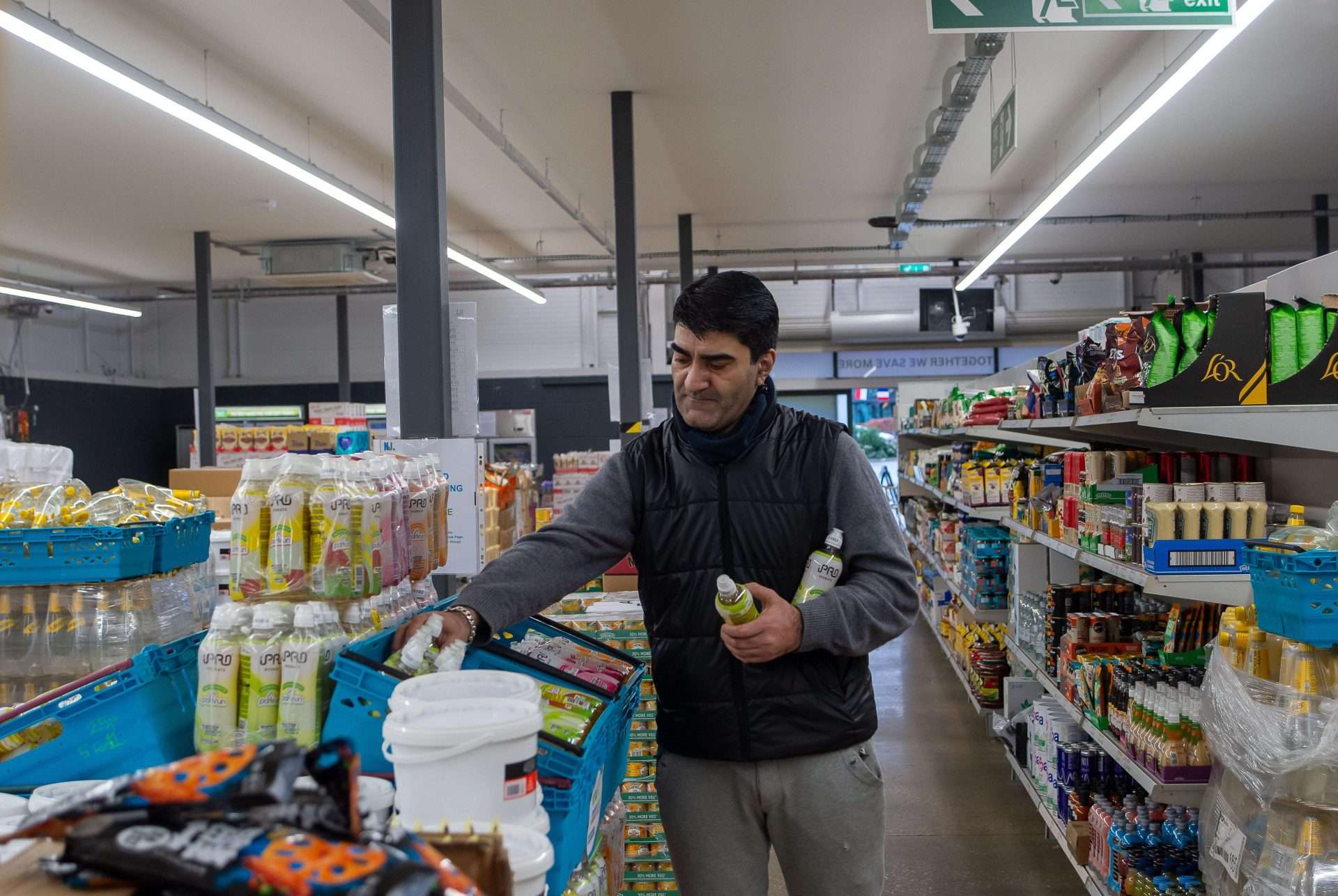
File photo of a volunteer working in a temporary pop-up store in December 2023 in Slough, selling discounted food where customers could fill a basket with items for £5 that would cost around £15 elsewhere.
Maureen McLean/Alamy
A ‘significant increase’ in working people needing support because of poverty is reported in research by the St Vincent de Paul Society
Employment rates are historically high but even so, poverty has been rising steadily in the UK for two decades, according to a new SVP report, The hidden crisis of in-work poverty – a frontline perspective.
The society records a “significant increase” in working individuals and families needing support across England and Wales and challenges the assumption that “work alone is a reliable route out of poverty”.
The highest-risk groups are households with children, single parents and those who rely on part-time work. They are often forced to choose between food, heating and rent and many as a result fall behind on bills and have to rely on foodbanks.
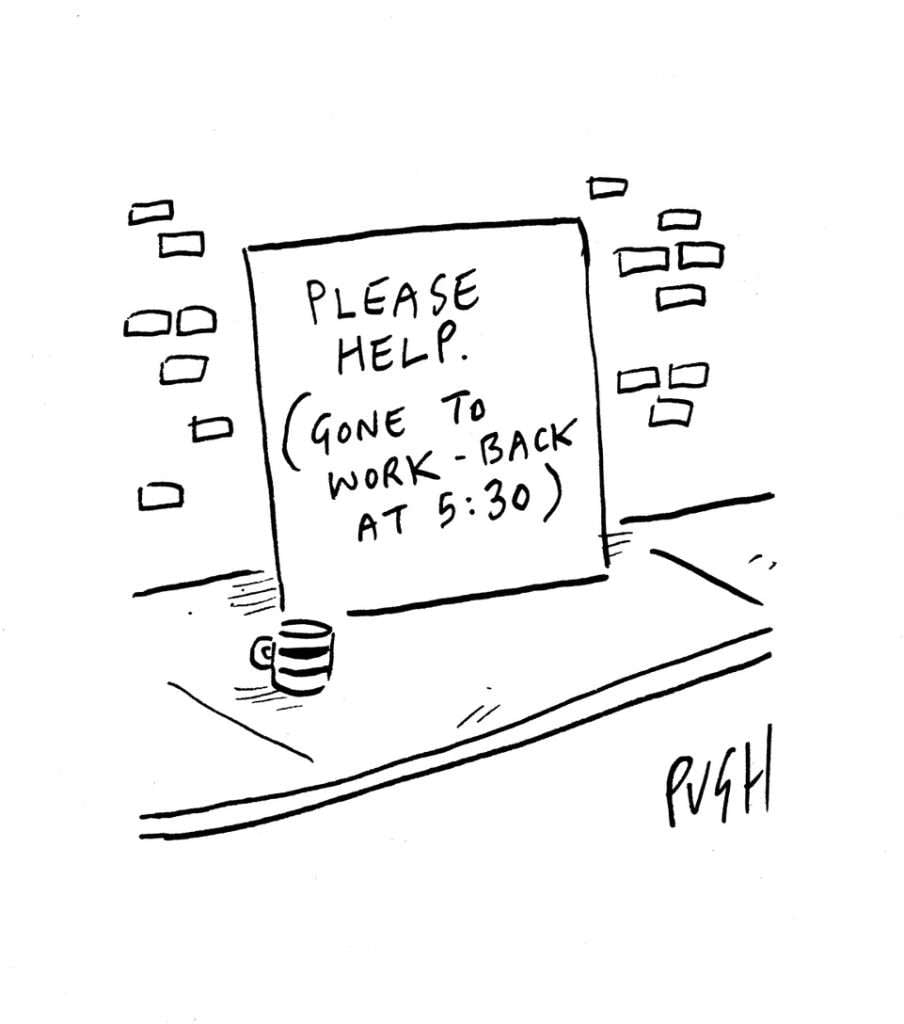
According to the research, the most affected groups are households with children, with single-parent households particularly vulnerable. “Having children increases the likelihood of experiencing poverty, even if both parents are in work,” the report says.
It adds: “Work is often described as the best route out of poverty. As our research shows however, this is increasingly too simplistic as people and families face multiple and complex barriers preventing them from escaping poverty.”
The biggest driver by far of rising poverty is the cost of household bills, the report says. Even where families include people working full time, the high cost of bills prevented people having enough to meet essential needs. Low wages were the second highest driver of poverty, with many who wanted to stating they were unable to find jobs with more hours or security.
The SVP has 11 regional centres, or community support projects, that offer support such as debt advice, warm spaces, free hot meals, food parcels, language classes and counselling. The charity has nearly 9000 volunteers in 800 communities in total and a further 8500 young volunteeers.
Stay updated — add us as a preferred news source on Google:


Help us keep The Tablet’s voice independent, clear and far-reaching.
Founded in 1840, The Tablet is the leading independent English-language Catholic weekly, celebrated for great writing, astute analysis, brilliant arts and books reviews and trustworthy reporting from correspondents in Britain, Ireland, Rome and across the world.
Independent, high-quality journalism is at the heart of what we do. The Tablet does not have deep pockets and we are not funded by rich donors. If you appreciate our work please consider supporting The Tablet’s Development Fund. It only takes a moment and you can cancel at any time.
- Support with £5 per month
- Support with £10 per month
- Support with other amount.

MOST READ ARTICLES
-
1
Would the Church miss us?
-
2
Nicaraguan bishops visit Rome as Ortega regime tightens grip
-
3
Church from the 1950s receives £1 million government grant for new roof
-
4
Pope Leo thanks staff at Mass in Gemelli Hospital
-
5
Henri Nouwen: Christ’s acrobat
-
6
Under endless skies
FROM THE EDITOR'S DESK


