Survey finds faith in life after death among ‘nones’


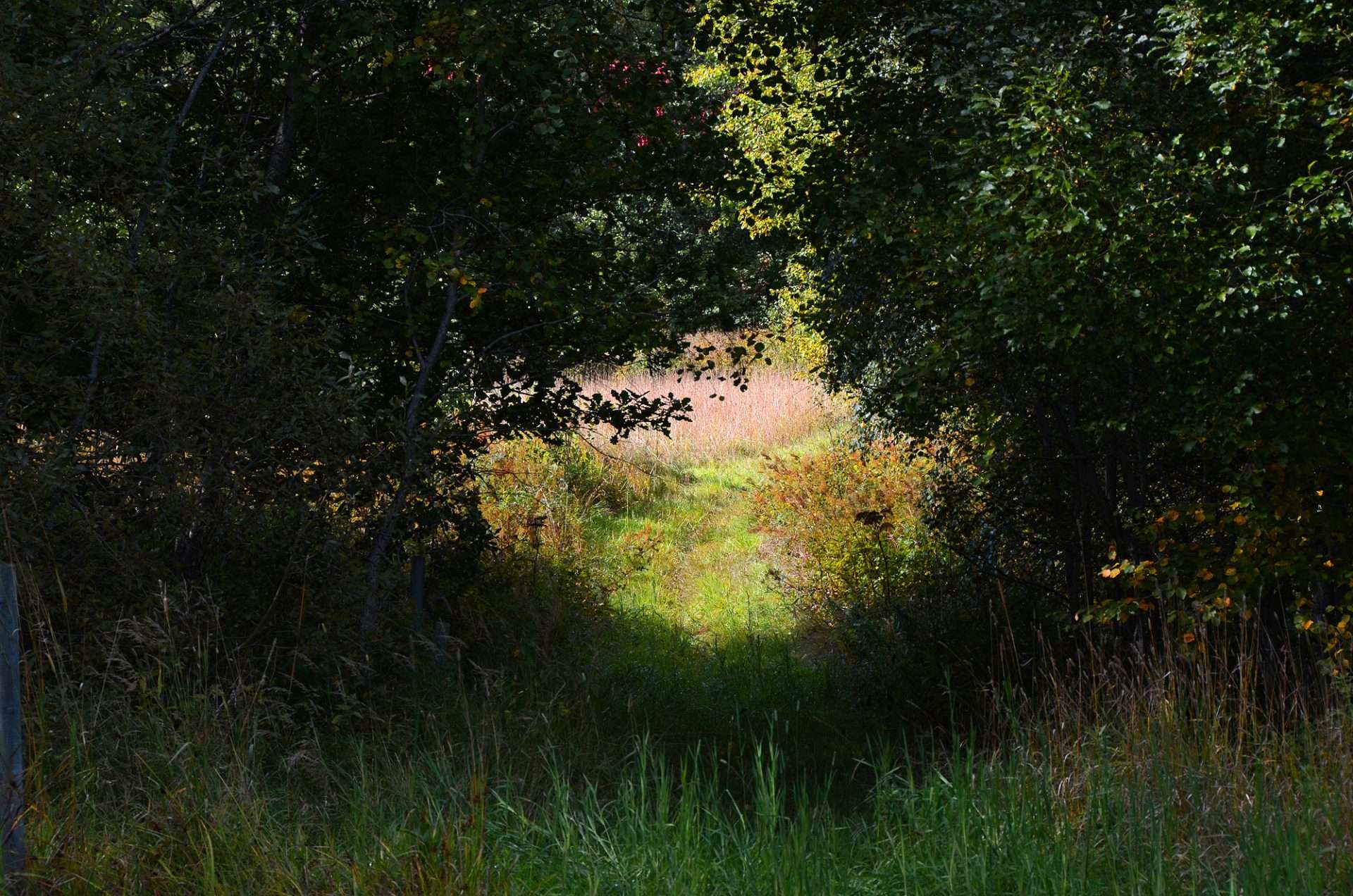
In Chile, 80 per cent of ‘nones’ believe that natural elements including mountains, rivers and trees possess spirits.
Martin von Pfaler / flickr | Creative Commons
In seven countries surveyed, 50 per cent or more of people with no religious affiliation believe in life after death.
At least a fifth of all “nones” or people of no religious affiliation believe there is life after death, according to new research.
The US-based Pew Research Center interviewed 23,202 adults from June to May 2024 in 36 countries with the study focusing on 22 with a larger sample size.
The degree in belief in the afterlife varies substantially among “nones” according to nation: only 19 per cent of Hungarian “nones” agree with the statement there is “probably or definitely” an afterlife, while in Peru 65 per cent agree. In seven countries, 50 per cent or more “nones” believe in life after death.
Many also believe that animals have spirits or spiritual energies: 75 per cent of Greek “nones” subscribe to this, while in Chile 80 per cent believe that natural elements including mountains, rivers and trees possess spirits. In South Africa, 81 per cent of “nones” believe in the power of ancestral spirits.
In a majority of the 22 countries, at least one in every five people without a religious affiliation said they believe in God. In Brazil, 96 per cent of people who define their religion as “nothing in particular” say they believe in God and only one per cent describe themselves as atheists, while 77 per cent of South African “nones” profess belief in God. Only eight per cent of Italians in the same category concur.
The countries where “nones” are least likely to pray are generally European. In Hungary, the Netherlands and Sweden, 87 per cent of “nones” say they never pray.
In nine of the countries surveyed, men were more likely than women to say they had no religion. In the United Kingdom, 51 per cent of men are “nones” compared to 40 per cent of women. Among religiously-unaffiliated Britons, 45 per cent agree there is “something spiritual beyond the natural world, even if we cannot see it”.
Catholic teacher seeks out ‘nones’ in ‘life-changing’ new project
A different kind of faith is driving the ‘quiet revival’ of UK churchgoing
Stay updated — add us as a preferred news source on Google:


Help us keep The Tablet’s voice independent, clear and far-reaching.
Founded in 1840, The Tablet is the leading independent English-language Catholic weekly, celebrated for great writing, astute analysis, brilliant arts and books reviews and trustworthy reporting from correspondents in Britain, Ireland, Rome and across the world.
Independent, high-quality journalism is at the heart of what we do. The Tablet does not have deep pockets and we are not funded by rich donors. If you appreciate our work please consider supporting The Tablet’s Development Fund. It only takes a moment and you can cancel at any time.
- Support with £5 per month
- Support with £10 per month
- Support with other amount.