Religious vote in presidential election bodes ill for Polish Church


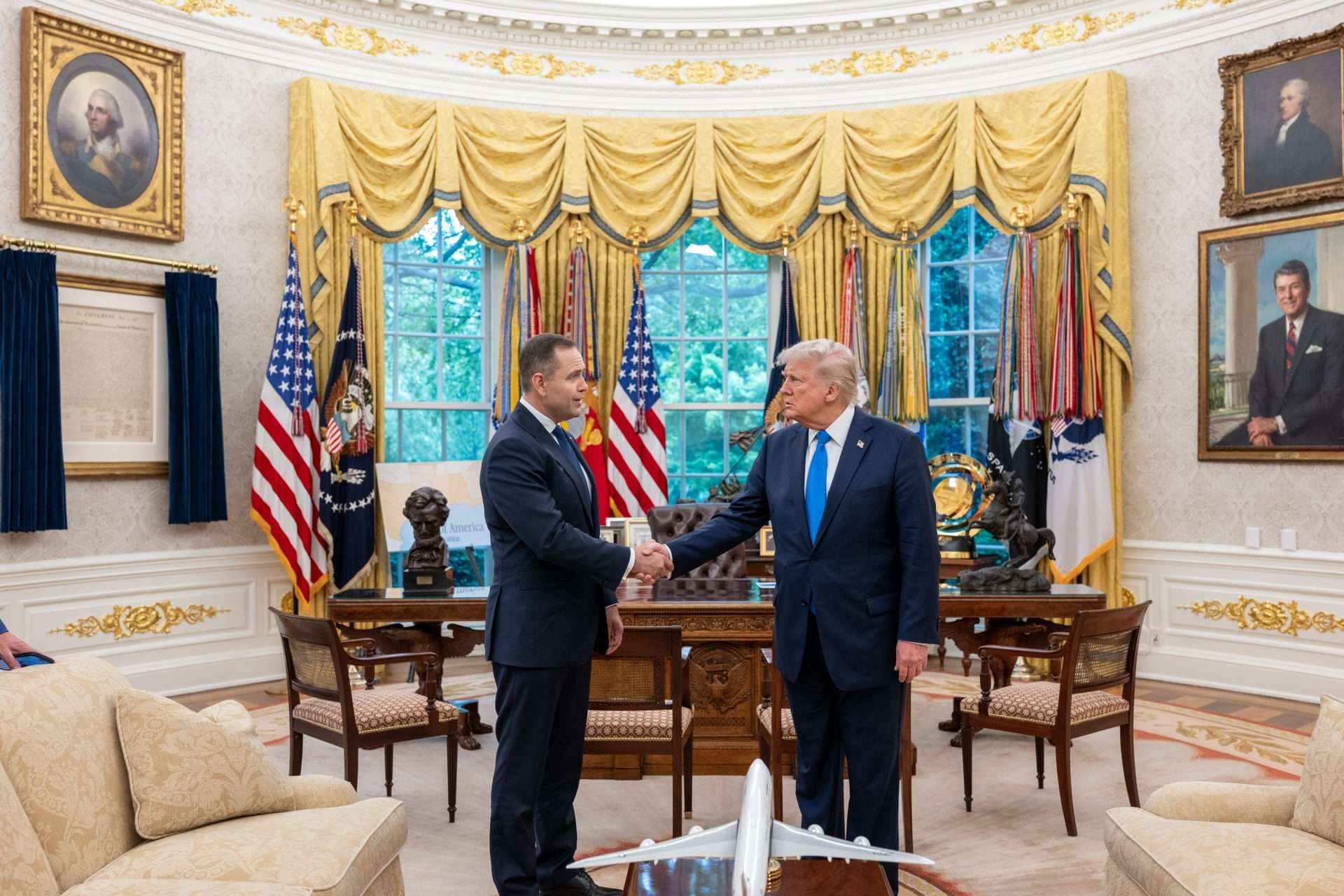
Karol Nawrocki meeting Donald Trump at the White House in May – Katarzyna Korzeniewska said there was a “Trump parallel” in Nawrocki’s campaign.
The White House / Wikimedia Commons
‘The political use or misuse of religious rhetoric and symbolism does not seem to bother either the religious voters or those indifferent to religion.’
The role of religious voters in determining Poland’s closely-fought presidential election had striking parallels with American politics, according to a Krakow-based sociologist.
Dr Katarzyna Korzeniewska, who studies Church and state relations in Poland, said the emotional charge of the election – ultimately determined by a margin of two percentage points – was key to the victory of Karol Nawrocki, allowing him to overcome claims that he acquired his fortune by dubious means and liaised with the criminal underworld throughout his youth, besides allegations about his personal morality and marital fidelity.
She said this “Trump parallel” was especially striking during the exit polls, when Nawrocki gave a passionate speech quoting the Old Testament: “If my people, who are called by my name, will humble themselves and pray and seek my face and turn from their wicked ways, then I will hear from heaven, and I will forgive their sin and will heal their land.” (2 Chronicles 7:14)
Poland’s Catholic bishops kept a low profile during the campaign, having borne heavy criticism in the past for being too close to the state. They relied instead on the document issued by the bishops’ conference’s Council for Social Affairs before the 2023 parliamentary elections.
In addition to general exhortations to participate in elections and to check whether “candidates are concerned with the ethical aspect of economic processes”, the Vademecum wyborcze katolika (“A Catholic’s Election Guide”) directs Catholics not to vote for supporters of “gender ideology” or abortion rights.
“In that document, the bishops effectively tell the faithful to look only at the words of the candidates, and not their deeds,” said Korzeniewska. “And, of course, Nawrocki has repeatedly declared that he is pro-life and that there are only two sexes in the world.”
However, she added that “it would be a gross oversimplification to say that Nawrocki’s victory was decided only by the religious voters”, noting that he enjoyed a slight lead among younger voters – the generation most distant from the Church, from religious practices and from faith itself.
“The political use or misuse of religious rhetoric and symbolism – and there was no shortage of that in Nawrocki’s campaign – does not seem to bother either the religious voters or those indifferent to religion. And this is not an optimistic circumstance for the Polish Church,” she told The Tablet.
While some observers in Poland warned Nawrocki could become a puppet of the Catholic hierarchy, others said the growing influence of Polish Catholicism in the universal Church threatened political abuse in the other direction.
“Whether Nawrocki succeeds to make use of the symbolic political capital of the Church will soon become apparent, as Poland is facing a decision on the reduction of religious classes at the state schools. In other words, we will soon see who is really manipulating whom,” Korzeniewska said.
Stay updated — add us as a preferred news source on Google:


Help us keep The Tablet’s voice independent, clear and far-reaching.
Founded in 1840, The Tablet is the leading independent English-language Catholic weekly, celebrated for great writing, astute analysis, brilliant arts and books reviews and trustworthy reporting from correspondents in Britain, Ireland, Rome and across the world.
Independent, high-quality journalism is at the heart of what we do. The Tablet does not have deep pockets and we are not funded by rich donors. If you appreciate our work please consider supporting The Tablet’s Development Fund. It only takes a moment and you can cancel at any time.
- Support with £5 per month
- Support with £10 per month
- Support with other amount.