Prayer and mission are the take-homes from Synod on Synodality


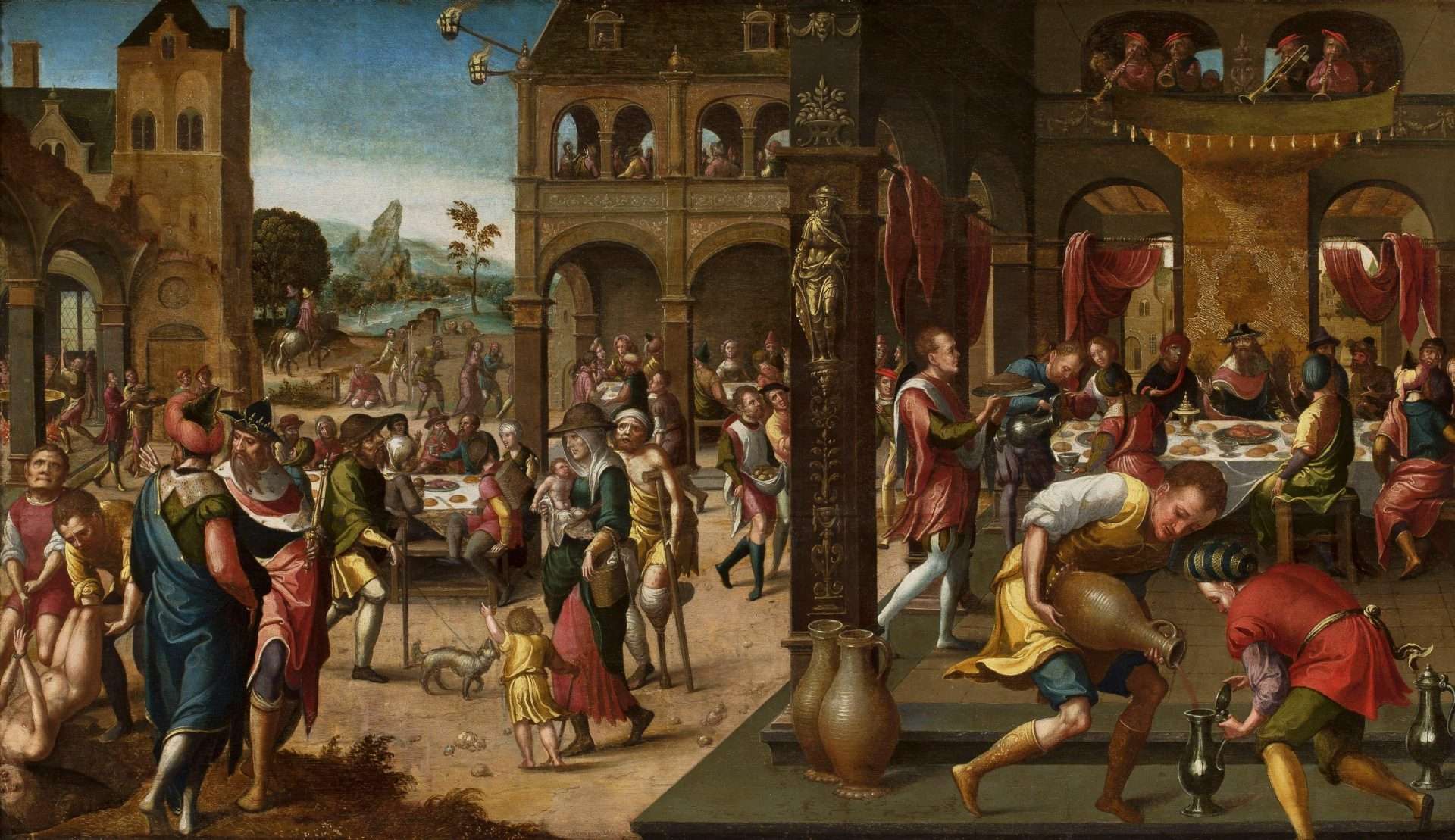
The Parable of the Great Banquet circa 1525 by Brunswick Monogrammist
ARTGEN / Alamy
One of the most striking images in the final document is that of everybody at the table in the banquet in Isaiah.
A priority for those interested in the Synod on Synodality is “getting the message out” that the Church is “trying to move into a different way of living and operating”, Bishop Brendan Leahy of Limerick has said.
Speaking at The Tablet webinar, “How to receive the Synod’s conclusion in our parishes and dioceses”, Bishop Leahy said, “We really need to give a huge priority to communicating the message.”
Drawing on his experience of attending the two Synod gatherings in Rome on behalf of the Irish Bishops he admitted that “a minority of a minority of a minority” had ultimately engaged directly in the Synod.
“But that doesn’t mean that the message shouldn’t go out to the whole Church,” he said.
On his return from the Synod, the Bishop of Limerick wrote a letter to his diocese and put together a four-page leaflet to highlight some of the key points of the Synod message. He also made video clips and wrote articles.
Parish bulletins and newsletters, the bishop said, should be used and priests should be encouraged to preach about the Synod and be given resources to enable them do that.
Another speaker at the webinar, Austen Ivereigh, journalist, author, commentator and biographer of Pope Francis, noted that Cardinal Mario Grech had said that bishops have the responsibility to ensure that the results of the Synod process are accepted and implemented in the daily life of their local churches.
“I found the comment interesting because, in fact, since the Synod concluded in October, there has been little, I would say really nothing from the Bishops’ Conference of England and Wales on this. My sense, in speaking to some of them, is that there won’t be.”
In Dr Ivereigh’s opinion, implementing the Synod is about a way of being in our parishes, dioceses and deaneries, which starts with a lot of patient listening, consultation and using the conversation in the Spirit method.
He said one of the most striking images in the final document is that of everybody at the table in the banquet in Isaiah.
“The joy of opening ourselves up to the agency of the Holy Spirit, which gives us the inspiration to act. It gives us clarity and zeal for mission. It is not a corporate renewal exercise. It is not a discussion chamber where we sit around complaining about the institution, as if the institution is somehow separate from us. It is about what we have been called to do here in this place, in this parish, in this deanery,” Austen Ivereigh said.
He paid tribute to Avril Baigent’s work with the School for Synodality and the resources it had made available.
In her discussion of the theme, Dr Baigent, who is director of pastoral development in the Diocese of Northampton suggtested in response to the question of how to get as many voices into our parish conversations, into our pastoral area conversations – “merely by asking them”.
As to what structures need transforming right now, she suggested that a look back through parish council agendas would identify how much time is given over to mission and what the local community’s priorities are.
The most important takeaway from the Synod was the “steeping in prayer” she said.
For future Tablet webinars, visit thetablet.co.uk/events
Stay updated — add us as a preferred news source on Google:


Help us keep The Tablet’s voice independent, clear and far-reaching.
Founded in 1840, The Tablet is the leading independent English-language Catholic weekly, celebrated for great writing, astute analysis, brilliant arts and books reviews and trustworthy reporting from correspondents in Britain, Ireland, Rome and across the world.
Independent, high-quality journalism is at the heart of what we do. The Tablet does not have deep pockets and we are not funded by rich donors. If you appreciate our work please consider supporting The Tablet’s Development Fund. It only takes a moment and you can cancel at any time.
- Support with £5 per month
- Support with £10 per month
- Support with other amount.

MOST READ ARTICLES
-
1
The Tablet poem
-
2
Battling confession fatigue
-
3
Pope Leo announces operation to remove growth in lung
-
4
Catholic Social Teaching and universities
-
5
Nigerian first lady suffered death threat for practising Christian faith
-
6
Refugees admire ‘talent’ and ‘understanding of the topic’ of young competition winners
FROM THE EDITOR'S DESK


