Polish-German reconciliation anniversary marred by populist fears


‘If the experts are correct in their description of PiS as a textbook example of a populist party, then it is understandable why the main goal of the Polish authorities was to emphasise political differences and strengthen fears.’
Piotr Drabik / flickr | Creative Commons
The historian Paweł Machcewicz has identified anti-German phrases, statements and clichés dating from the Communist era in the rhetoric of modern populist parties in Poland.
Members of the Polish and German episcopate, the apostolic nuncio to Poland and governmental authorities from both countries will attend the celebrations of the sixtieth anniversary of the Letter of Reconciliation of the Polish Bishops to the German Bishops in Wrocław on 18-19 November.
In 1965, Polish bishops sent a letter to German bishops that changed the history of post-war Europe. The document, written by the then-Archbishop of Wrocław Bolesław Kominek, said: “We forgive and ask for forgiveness.”
The letter became a turning point in relations between Poland and Germany, marking the beginning of the process of reconciliation between them nations after the Second World War.
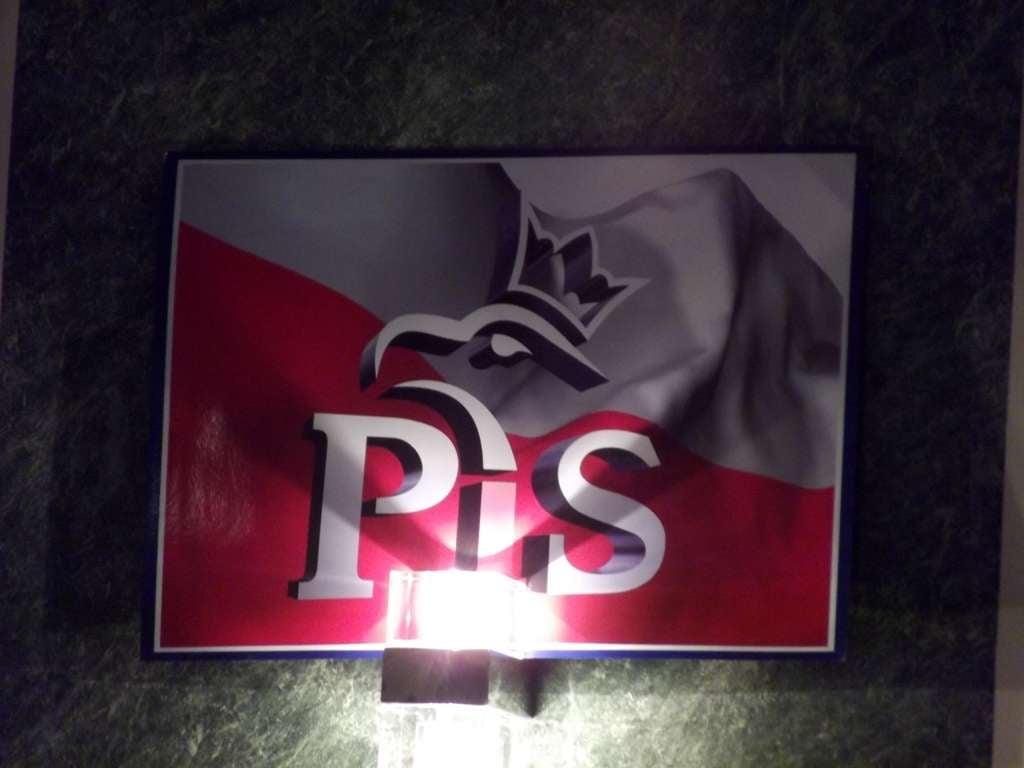
Katarzyna Korzeniewska, a sociologist based in Krakow who studies relations between Church and state, said this year’s anniversary is especially poignant in Poland’s current climate of resurrected anti-German grievances and Communist-era clichés – a trend she dates to the election victory of the Law and Justice (Prawo i Sprawiedliwość – PiS) party a decade ago.
“If the experts are correct in their description of PiS as a textbook example of a populist party, and populism feeds on conflict and fear, then it is understandable why the main goal of the Polish authorities at that time was to emphasise political differences and strengthen fears”, she told The Tablet.
Besides fears of immigration, the “threat” of Germans was especially useful for the latter goal, Korzeniewska alleged, because relations with the Germans carried a strong emotional charge and traumatic memories in all generations since the Second World War: the older the generation, the stronger that charge.
Korzeniewska cited the historian Paweł Machcewicz, who studies national communism and has identified entire Communist-era phrases, statements and clichés in the rhetoric of modern populist parties in Poland. He has said that “those [Communist] essays could be transferred to the present by a simple ‘copy-paste’, and no one would recognise that they are reading texts from six decades ago”.
Nationalism and reconciliation in Poland and Germany
Poland should learn from John Paul II
Stay updated — add us as a preferred news source on Google:


Help us keep The Tablet’s voice independent, clear and far-reaching.
Founded in 1840, The Tablet is the leading independent English-language Catholic weekly, celebrated for great writing, astute analysis, brilliant arts and books reviews and trustworthy reporting from correspondents in Britain, Ireland, Rome and across the world.
Independent, high-quality journalism is at the heart of what we do. The Tablet does not have deep pockets and we are not funded by rich donors. If you appreciate our work please consider supporting The Tablet’s Development Fund. It only takes a moment and you can cancel at any time.
- Support with £5 per month
- Support with £10 per month
- Support with other amount.

MOST READ ARTICLES
-
1
German bishops commit to global Synod process despite delay to reforms
-
2
The Tablet poem
-
3
A tiny gem
-
4
Word from the Cloisters
-
5
Bangladesh Christians ask president to help ease missionary visa restrictions
-
6
Nigerian first lady suffered death threat for practising Christian faith
FROM THE EDITOR'S DESK