Palace announces death of Catholic-convert Duchess of Kent


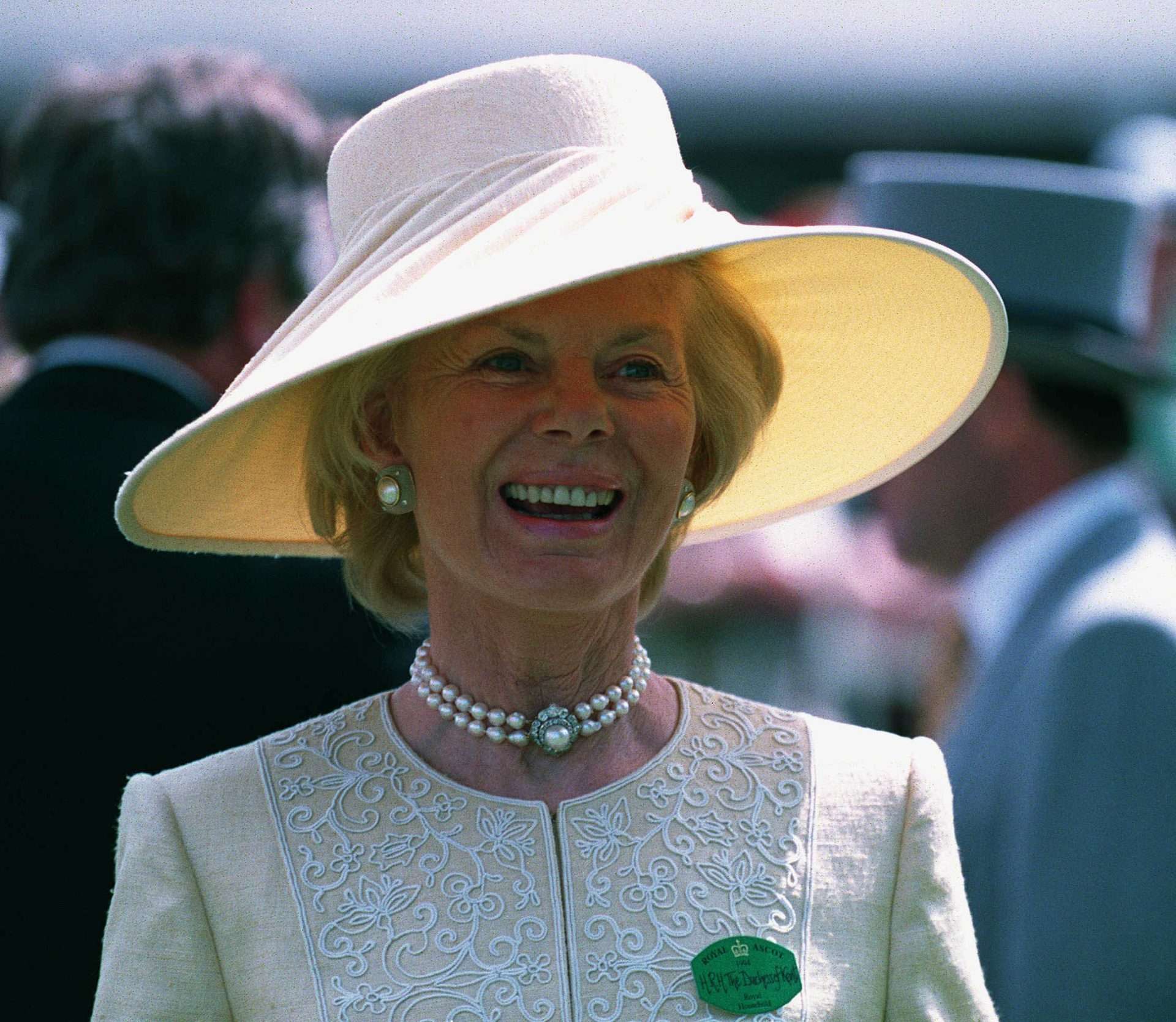
Katharine, Duchess of Kent in 1994, the year she was received into the Catholic Church
Allstar Picture Library Ltd / Alamy
The Duchess of Kent became a Catholic in 1994, the first member of the Royal Family to be received into the Church since the seventeenth century.
Katharine, Duchess of Kent, the wife of the late Queen’s first cousin, died on Thursday night aged 92.
Buckingham Palace announced her death in a statement on Friday.
“The King and Queen and all members of the Royal Family join the Duke of Kent, his children and grandchildren in mourning their loss and remembering fondly the Duchess’s life-long devotion to all the organisations with which she was associated, her passion for music and her empathy for young people,” it said.
The Archbishop of Westminster Cardinal Vincent Nichols said he had written to the duke to offer his condolences and to assure him of the prayers of Catholics in England and Wales for the duchess.
“I recall with fondness her presence in our community, especially her participation in the pilgrimage to Lourdes, as well as her lifetime of public service,” he said. “We pray that God will receive her soul into heaven, the promise given to us by Our Lord, Jesus Christ.”
The duchess was a patron of the Hosanna House and Children’s Pilgrimage Trust (HCPT), which issued its own message of condolence saying her support “meant a great deal to us”.
“Katharine knew from personal experience that Lourdes is a very special place, and that HCPT’s pilgrimages to Lourdes are truly life changing for so many children and adults,” it said.
The Archbishop of York Stephen Cottrell remembered her as “an advocate for children and young people’s welfare throughout her life” and a woman of “deep and profound faith”.
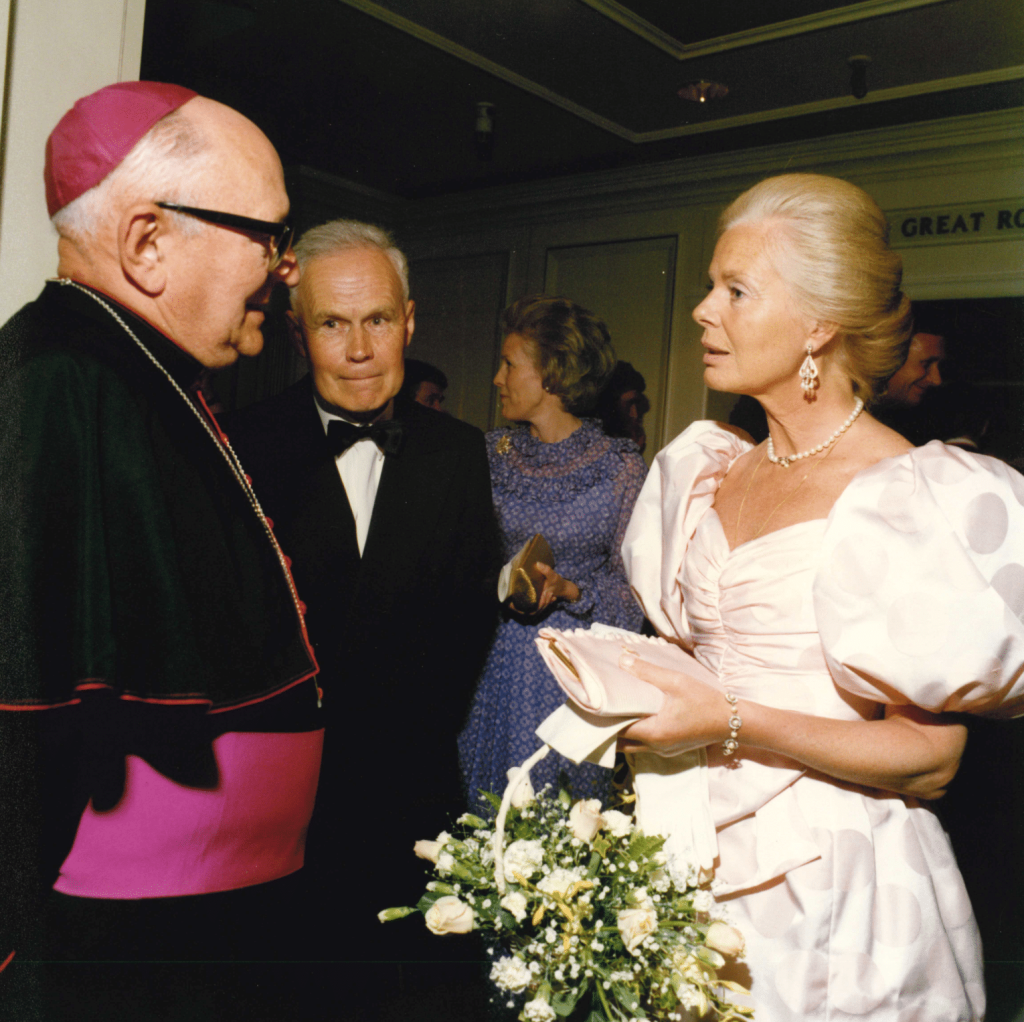
The Duchess of Kent became a Catholic in 1994, the first senior member of the Royal Family to be received into the Church since the seventeenth century. (Victoria Eugenie Battenberg, a granddaughter of Queen Victoria and cousin of George V, became a Catholic in 1906 to marry King Alfonso XIII of Spain.)
Born in Yorkshire, where her father was Lord Lieutenant, Katharine Worsley married Edward, Duke of Kent in 1961 in York Minster. They had three children, but a fourth was aborted on medical advice and in 1977 a fifth died at birth.
She later said that during the subsequent period of her life, which included a seven-week stay in hospital with what officials called “nervous exhaustion”, she suffered “acute depression”.
In the 1980s she became closely connected with Westminster Cathedral, regularly reading at its annual carol service, and had conversations with the Bishop of Leeds Gordon Wheeler, a former Anglican clergyman received into the Church in 1936.
She announced her intention to join the Church in January 1994, after consulting the Queen and receiving instruction from Fr Daniel Cronin at Westminster Cathedral. The Archbishop of Westminster Cardinal Basil Hume received her into the Church in a private service in Archbishop’s House.
A joint statement from the Archbishops of Canterbury and York said it was the decision “of a devout Christian on a spiritual journey”, also noting “the traffic is two-way” between Churches. Her announcement emphasised that her decision was not connected to the contemporary controversy about the ordination of women in the Church of England.
Cardinal Hume said: “We must all respect a person’s conscience in these matters, and I know that the Duchess recognises how much she owes to the Church of England, for which she retains a genuine affection.”
The duchess told The Daily Telegraph in 1997 that she was inspired to become a Catholic during a carol service at the cathedral, when she thought “Oh, I’d adore to be in here.”
“My conversion was fairly impulsive,” she said. “I am not going to pretend that it was anything to do with reading the Bible. It had a great deal to do with people I met, mainly a man we all call the boss – the cardinal. I was struck by his humility, his gentleness and his affectionate nature – but above all his humility.”
She worked as a volunteer at The Passage, the homelessness charity founded by Cardinal Hume, and regularly joined the nascent Westminster diocesan pilgrimage to Lourdes. She was also known for her support for musical education, working as a part-time music teacher at a primary school in Hull during the 1990s, and her attendance at the Wimbledon championships.
Catholicism and the Crown – the relationship that hangs by a slender thread
Future of UK monarchy – royalty must not rest on its laurels
Stay updated — add us as a preferred news source on Google:


Help us keep The Tablet’s voice independent, clear and far-reaching.
Founded in 1840, The Tablet is the leading independent English-language Catholic weekly, celebrated for great writing, astute analysis, brilliant arts and books reviews and trustworthy reporting from correspondents in Britain, Ireland, Rome and across the world.
Independent, high-quality journalism is at the heart of what we do. The Tablet does not have deep pockets and we are not funded by rich donors. If you appreciate our work please consider supporting The Tablet’s Development Fund. It only takes a moment and you can cancel at any time.
- Support with £5 per month
- Support with £10 per month
- Support with other amount.

MOST READ ARTICLES
-
1
Would the Church miss us?
-
2
Nicaraguan bishops visit Rome as Ortega regime tightens grip
-
3
Leo pleas for besieged Ukrainian town in call with Putin
-
4
Under endless skies
-
5
Battling confession fatigue
-
6
Church from the 1950s receives £1 million government grant for new roof
FROM THE EDITOR'S DESK


