Research could lead to new Church approach to traditional healers


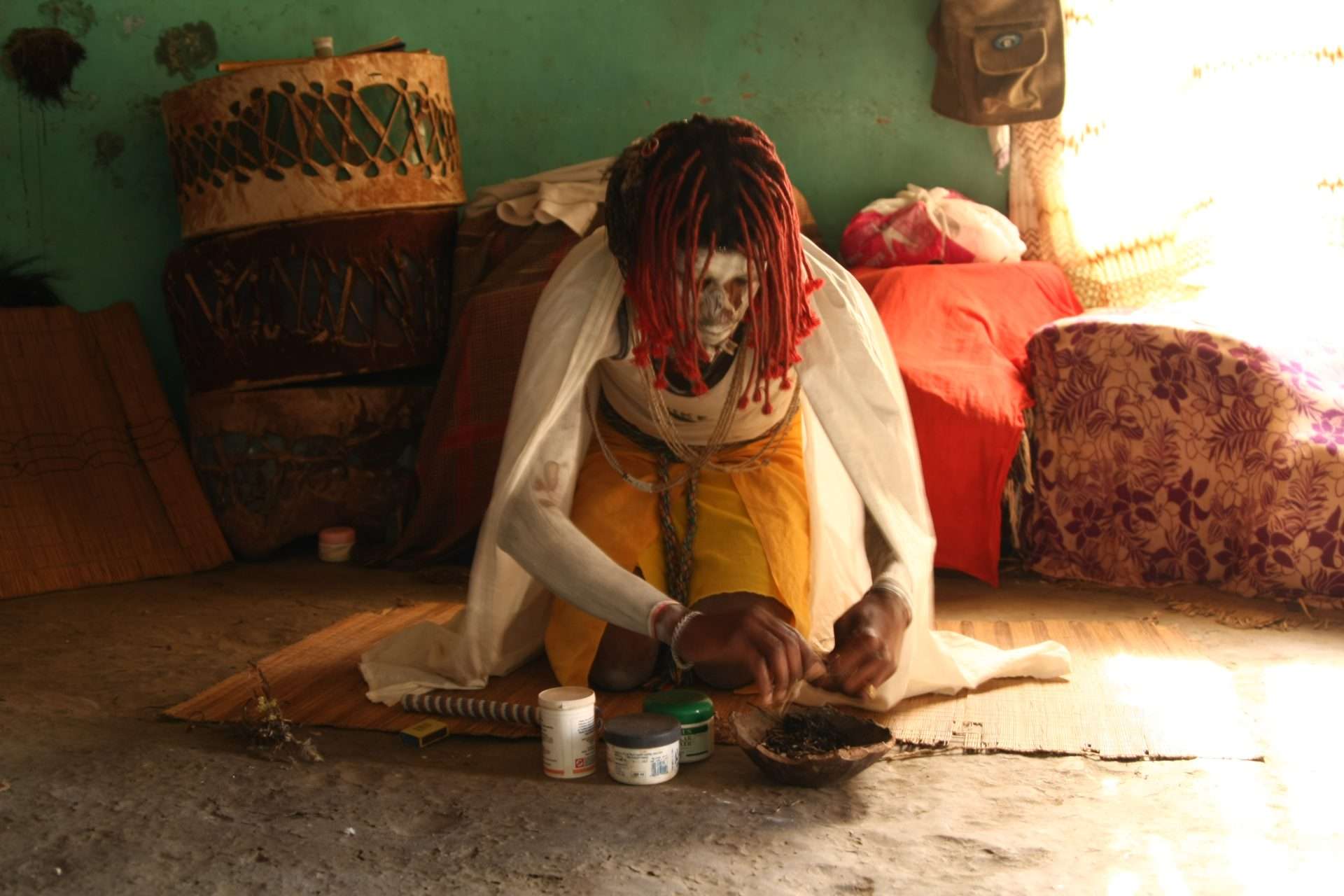
A Zulu Sangoma – the Church has historically considered their practices contrary to Christianity.
meghamama / flickr | Creative Commons
In Ubungoma, or traditional healing, Sangoma healers act as intermediaries between the visible and invisible world.
Catholic bishops in southern Africa opened discussions on how to approach the growing number of traditional healers, known as “Sangomas”.
The bishops are considering the suggestion to welcome them into the Church and even allow them to receive Holy Communion – a move that could mark a sharp departure in the Church’s attitude towards traditional healers.
“Ubungoma is the system through which our people were healed, and received several other ways of assistance,” said Fr Thulani Joel Skhosana, a member of the Theological Advisory Committee of the Southern African Catholic Bishops’ Conference (SACBC), which is researching Ubungoma, or traditional healing, in which healers act as intermediaries between the visible and invisible world.
He said it was critical to find a way of addressing the issue, given the surge in the number of people practising traditional healing.
“Many people are becoming Esangoma, not only the elderly but even the youths. It is also across racial lines because we have also seen white people becoming Esangoma,” Fr Thulani said. He said the committee had to research the practice because the bishops want to find a way of dealing with the surge.
South Africa has approximately 69,000 registered Sangomas. According to the research, traditional healers play a significant role beyond healing – they offer counselling, help to resolve family conflicts, and provide guidance on larger concerns, such as requests for rain.
The Church historically considered traditional healing a deviation from Christianity. Speaking to a group of new missionaries at the orientation programme in Benoni on in September 2021, the Archbishop of Johannesburg Buti Tlhagale identified the belief in the ancestral cult as the biggest challenge to complete conversion to Christianity. The SACBC advisory committee’s research could lead to a new approach.
“We have submitted the first report of our research which was more of data collection,” Thulani said. “We went to different Sangomas for interviews and also observed the rituals they engage in … We are moving to the second cycle of the exercise in which bishops will debate the report to see what position the Church in Southern Africa will be taking with respect to Ubungoma.”
Retired bishop demands help for South Africa’s young
Stay updated — add us as a preferred news source on Google:


Help us keep The Tablet’s voice independent, clear and far-reaching.
Founded in 1840, The Tablet is the leading independent English-language Catholic weekly, celebrated for great writing, astute analysis, brilliant arts and books reviews and trustworthy reporting from correspondents in Britain, Ireland, Rome and across the world.
Independent, high-quality journalism is at the heart of what we do. The Tablet does not have deep pockets and we are not funded by rich donors. If you appreciate our work please consider supporting The Tablet’s Development Fund. It only takes a moment and you can cancel at any time.
- Support with £5 per month
- Support with £10 per month
- Support with other amount.

MOST READ ARTICLES
-
1
Pope Leo diagnosed with lung cancer after operation
-
2
The Tablet Lecture 2026: Keeping the dream of peace alive
-
3
Battling confession fatigue
-
4
Vatican confirms Pope’s Latin America travel plans despite operation
-
5
Under endless skies
-
6
Nicaraguan bishops visit Rome as Ortega regime tightens grip
FROM THE EDITOR'S DESK


