Dismissal of Christian soldier from Indian Army ‘against natural justice’


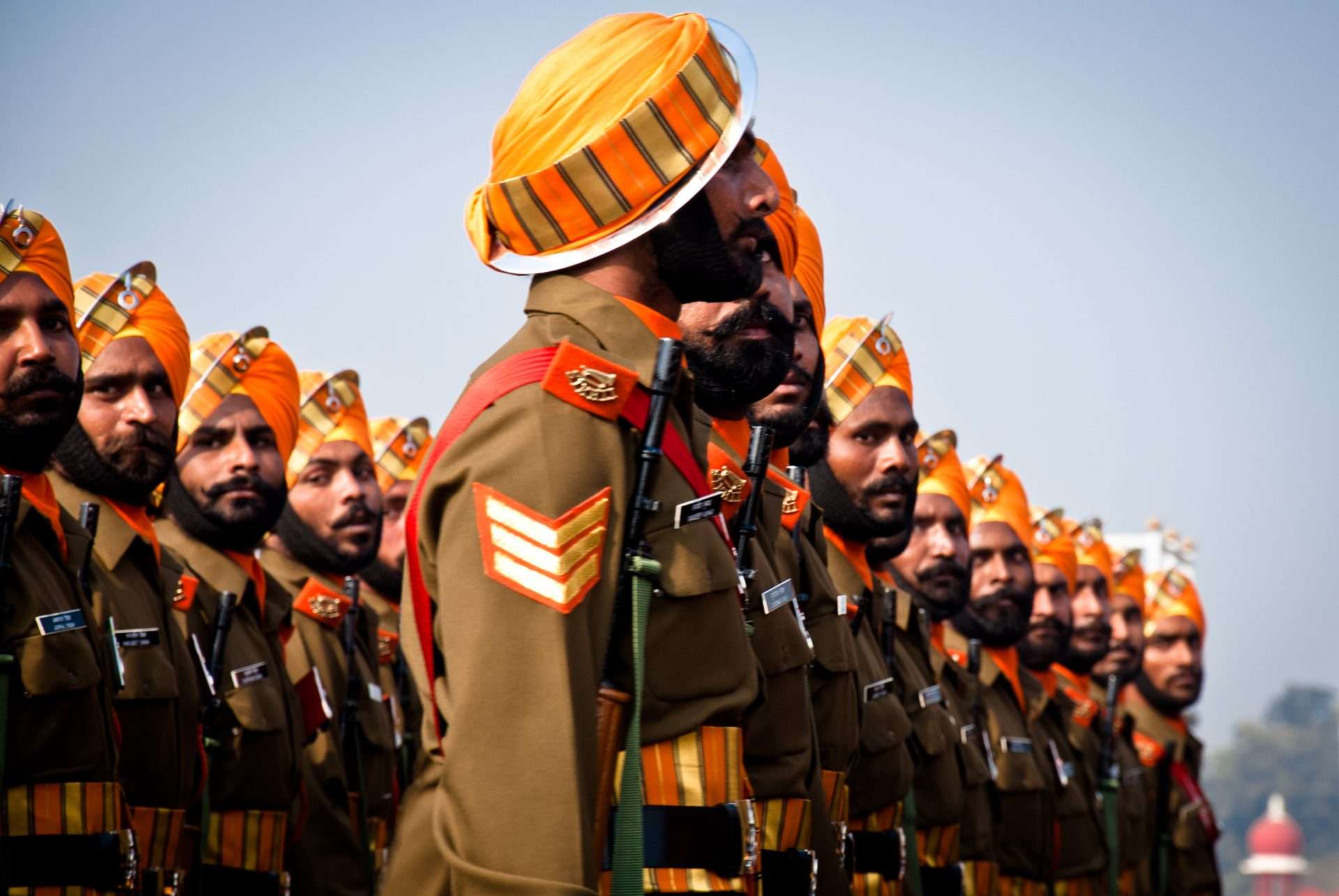
Sikh Light Infantry in the Indian Army. Lt Samuel Kamalesan served in a Sikh squadron of the 3rd Cavalry Regiment.
Jaskirat Singh Bawa / flickr | Creative Commons
Samuel Kamalesan had argued that he had taken part in the ritual parades of his Sikh squadron but was only averse to performing a worship ritual as it violated his Christian belief.
Religious freedom campaigners said a ruling by the Delhi High Court, upholding the dismissal of a soldier from the Indian Army for prioritising religious beliefs over military duties, undermined the state’s secular character.
Samuel Kamalesan was commissioned into the Indian army in 2017 and dismissed in 2021 for refusing to participate in weekly regimental religious parades, citing his Christian faith.
“The question is not of religious freedom at all; it is a question of following a lawful command of a superior,” the Delhi High Court said in its judgement.
Justice Navin Chawla and Justice Shalinder Kaur said that while Kamalesan, a lieutenant in the 3rd Cavalry Regiment, had the right to practise his religious beliefs, he carried additional responsibilities as an officer in command of troops.
They said his refusal to worship at temples and gurudwaras amounted to indiscipline and were detrimental to the secular and cohesive structure of the armed forces.
Fr Stanley Kozhichira, president of Signis Asia, said this decision was “against natural justice” and applied religious rigidity in the cause of military discipline.
“No rules should transcend boundaries of any religion. His dismissal violates the right to religious freedom,” Fr Kozhichira told The Tablet.
Kamalesan had argued that he had taken part in ritual parades of his Sikh squadron but was only averse to entering the gurudwara’s sanctum sanctorum and performing “puja” (a worship ritual) as it violated his Christian belief.
Pramod Singh, the president of the Christian Legal Association, told The Tablet that Kamalesan had complied with other regulations such as wearing a turban and removing his shoes before entering places of worship. No soldiers had any complaint against him, nor was there a court martial presenting evidence of wrongdoing.
Kamalesan was “harassed relentlessly”, the reporter and commentator A.J. Philip said. “His superiors ensured he never got to attend the Young Officers’ Course. He was denied an opportunity to serve in Lebanon with UN Peacekeeping troops. He was denied promotions and summarily dismissed as though he had committed a grave crime,” he said.
Singh suggested the case had been subject to “social engineering”. The court’s verdict was due to be announced in March but was reserved till May 30. He said a ruling in March would have been “different”, but by 30 May “there was a drastic change in the situation. India and Pakistan were at war. In a conflict situation, dynamics change.”
Philip cited Bijoe Emmanuel versus Kerala State, a 1986 Supreme Court case that ruled unconstitutional the suspension of three Jehovah’s Witnesses students in Kerala after they refused to sing the national anthem stating it was against the tenets of their religious faith.
The court understood it was an act of conscience not defiance, he said, adding that Kamalesan, being a Christian, could not be expected to perform religious rituals alien to his faith. He said his situation – dismissal without a pension or retirement benefits – demanded judicial correction in the Supreme Court.
Ceasefire in Kashmir after Church prays for peace
Indian bishops defend ‘socialist, secular’ democracy
Stay updated — add us as a preferred news source on Google:


Help us keep The Tablet’s voice independent, clear and far-reaching.
Founded in 1840, The Tablet is the leading independent English-language Catholic weekly, celebrated for great writing, astute analysis, brilliant arts and books reviews and trustworthy reporting from correspondents in Britain, Ireland, Rome and across the world.
Independent, high-quality journalism is at the heart of what we do. The Tablet does not have deep pockets and we are not funded by rich donors. If you appreciate our work please consider supporting The Tablet’s Development Fund. It only takes a moment and you can cancel at any time.
- Support with £5 per month
- Support with £10 per month
- Support with other amount.

MOST READ ARTICLES
-
1
Church warns Zambian government against division after archbishop’s arrest
-
2
Breaking up … for now
-
3
A craving for beauty
-
4
The technological paradigm, AI and the human person
-
5
Bishops demand security investment to promote ‘common good’ in Nigeria
-
6
Rival church occupies Kyiv monastery in latest blow to Moscow-linked Orthodox
FROM THE EDITOR'S DESK