Czech Church remembers ‘combative’ Cardinal Duka


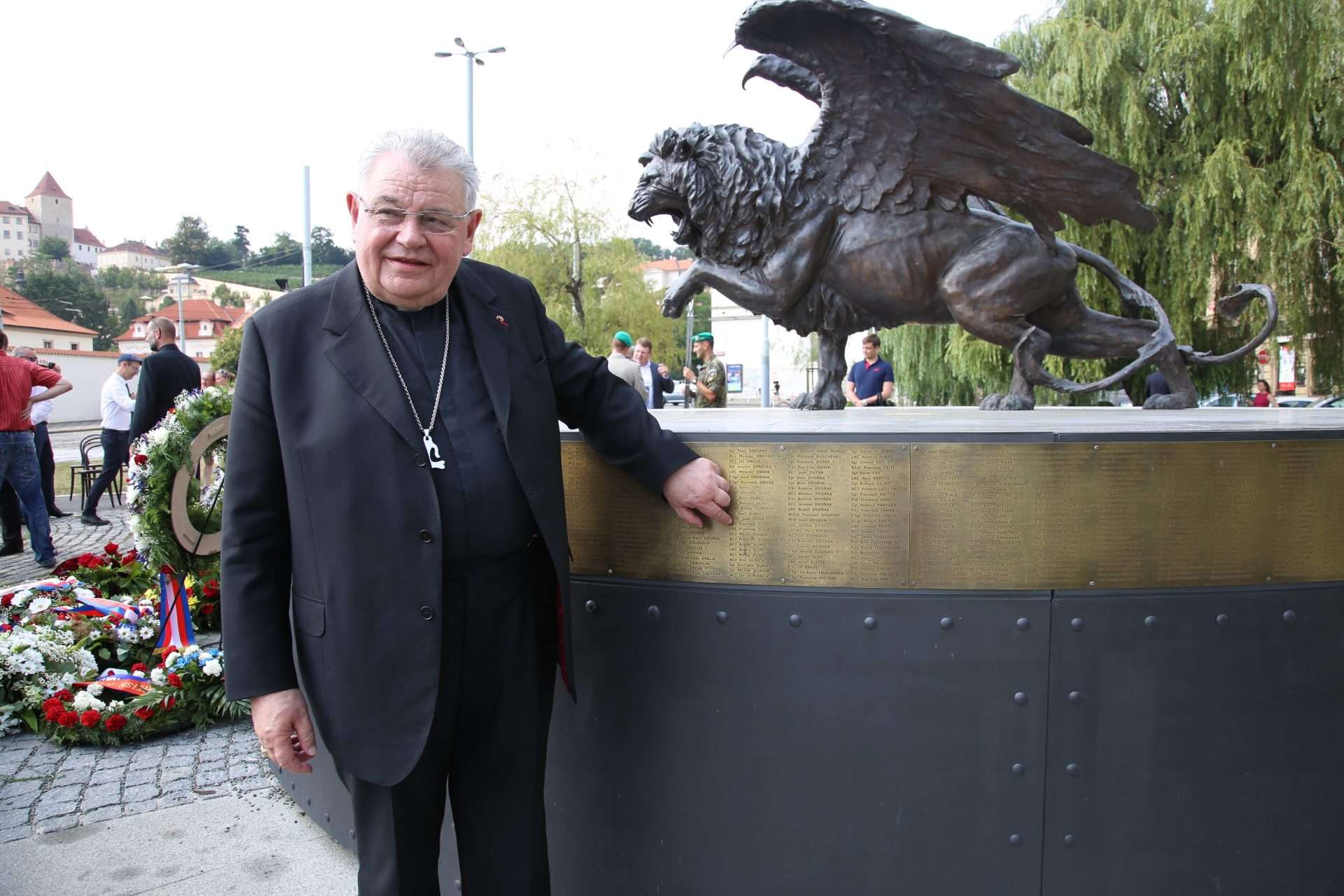
‘He said and wrote what he thought, and he never cared whether the people around him would applaud or whistle, he never cared about likes.’
Catholic News Agency
Duka was imprisoned in the early 1980s alongside dissident Vaclav Havel, who later led the 1989 Velvet Revolution that toppled the Communist government.
Cardinal Dominik Duka, the former Archbishop of Prague, died on Tuesday at the age of 82. He was a prominent figure in the Czech Republic, one of the most atheistic countries in Europe.
“He was an educated man with an extremely broad view of human life. Under the Communist dictatorship, he experienced persecution and imprisonment for his faith, and this experience made him a cleric of a zealous and even combative nature, who stood courageously on the side of truth, but at the same time had a good and friendly heart,” said Archbishop Josef Nuzík of Olomouc, the head of the Czech bishops’ conference.
In a message of condolence, Pope Leo recalled “with admiration his courage during the time of persecution, when, deprived of his freedom, he did not falter in his adherence to Christ and to the Church”.
Born in 1943 as Jaroslav Duka, he entered the Dominican Order in 1968 and served as a priest until Communist authorities revoked his state license in 1975. He then worked in an engineering plant while continuing religious activities underground.
He was imprisoned in the early 1980s alongside dissident Vaclav Havel, who later led the 1989 Velvet Revolution that toppled the Communist government. Havel, a playwright who became later the Czechoslovak and then Czech president between 1989 and 2003, recalled their philosophical debates and chess games in prison.
After the fall of Communism, Duka was appointed Bishop of Hradec Králové in 1998 and Archbishop of Prague in 2010. He became a cardinal two years later and helped to negotiate a law under which Czech churches of 17 denominations received assets stolen by the communists after the Second World War, valued at US$3.3 billion at the time. However, some accused Duka of being too close to Czech political elites.
He also faced allegations of protecting paedophile priests, which he vehemently denied. The Catholic Church in the Czech Republic has faced relatively few scandals involving the sexual abuse of minors by clergy, but many cases are never reported or become public knowledge. “He didn’t believe the victims, he wasn’t able to admit the seriousness of the cases,” said Fr Benedikt Mohelnik, a former head of the Czech Dominicans.
Duka was never a quiet or purely spiritual figure and was known for his controversial views on politics, science, national identity, and morality. During the Covid pandemic, he called the virus “a biological weapon” during a sermon, prompting a denial from the country’s top immunologists.
He once filed a lawsuit against a theatre company over a provocative performance he said insulted religious beliefs. The courts dismissed his claim. “He was not a man to quell culture wars. He not only fuelled them, but he himself often provoked them,” observed Fr Mohelnik.
Duka led the Czech Church until 2022, when Archbishop Jan Graubner succeeded him in Prague. He later faced serious health issues. After undergoing emergency surgery in October 2025, he returned briefly home before being hospitalised again on 1 November. He died three days later.
The Archdiocese of Prague said his funeral will take place on 15 November in St Vitus Cathedral at Prague Castle, where he will be interred in the archbishops’ tomb in the Chapel of St Vitus.
“He said and wrote what he thought, and he never cared whether the people around him would applaud or whistle, he never cared about likes. You don’t have to agree with him, but we could all learn this from him,” wrote Fr Marek Orko Vácha in an obituary for Duka in the Deník N daily.
Stay updated — add us as a preferred news source on Google:


Help us keep The Tablet’s voice independent, clear and far-reaching.
Founded in 1840, The Tablet is the leading independent English-language Catholic weekly, celebrated for great writing, astute analysis, brilliant arts and books reviews and trustworthy reporting from correspondents in Britain, Ireland, Rome and across the world.
Independent, high-quality journalism is at the heart of what we do. The Tablet does not have deep pockets and we are not funded by rich donors. If you appreciate our work please consider supporting The Tablet’s Development Fund. It only takes a moment and you can cancel at any time.
- Support with £5 per month
- Support with £10 per month
- Support with other amount.