Virtue ethics – after Alasdair MacIntyre


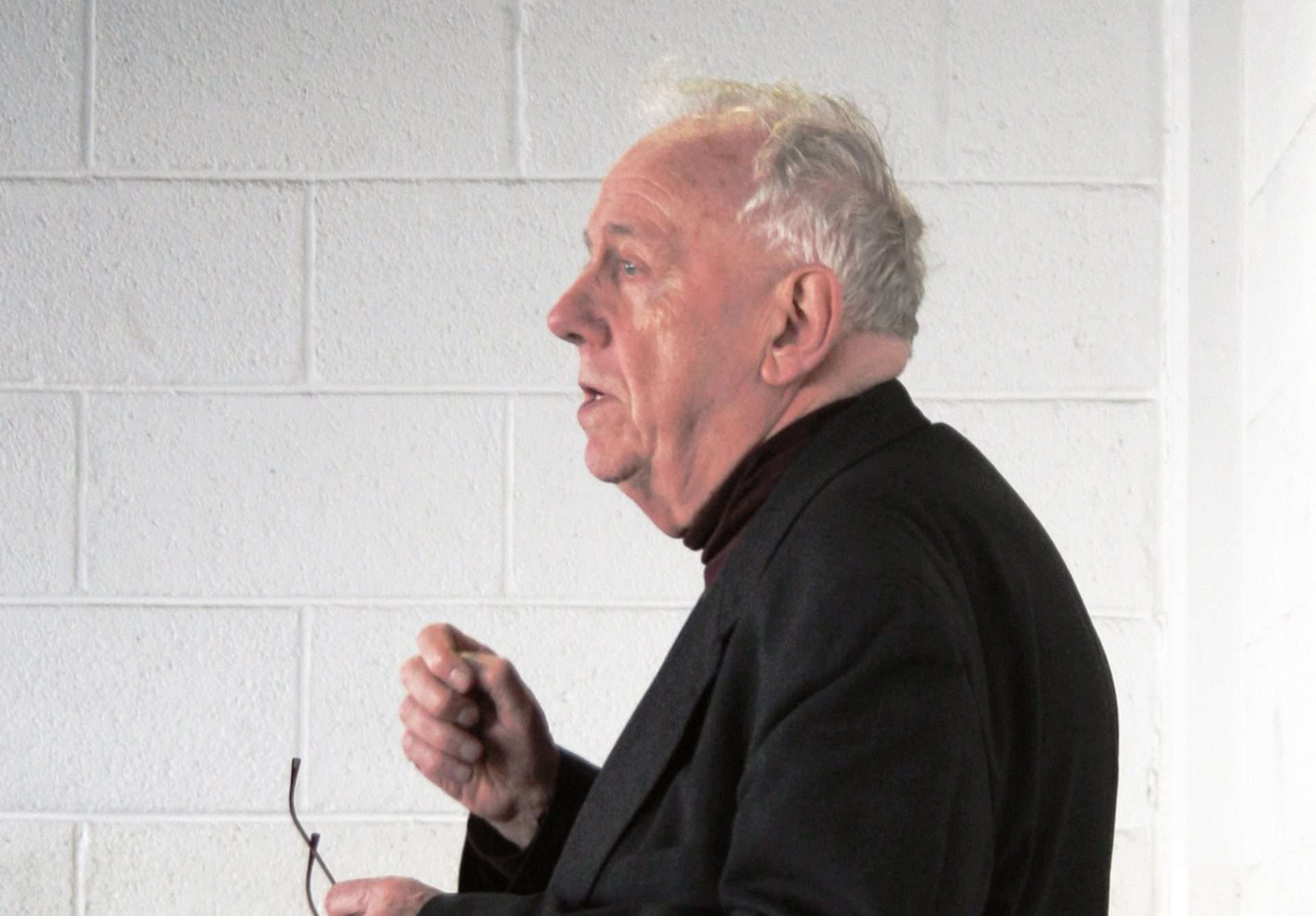
Alasdair MacIntyre was a philosopher of enormous imaginative power – able to see his own position and that of his rivals from within
Flickr, Sean O’Connor
The death of Alasdair MacIntyre, one of the great moral philosophers of the twentieth century, whose rediscovery of Aristotleian anthropology and ethics showed a way out of the moral wilderness of the contemporary world, marks the end of an era
Alasdair MacIntyre – the great Scottish moral philosopher, Catholic convert, and Notre Dame professor – died on 21 May at the age of 96. He was the most creative and philosophically innovative defender of Aristotle and virtue ethics of the twentieth century. So much so that after living just shy of 100 years, his thought nevertheless achieved the enviable age-defying feat of somehow seeming ever-new, attracting ranks of young and energised readers while retaining a momentous tone of omen or even prophecy. Indeed, MacIntyre’s defence of Aristotle in many ways anticipated our own politically fraught moment decades in advance: foreseeing the plight of liberalism, the crisis of technocratic and expert authority, the so-called “return” of religion, and the rise of new post-liberal ideologies of the right and left.
Get Instant Access
Continue Reading
Register for free to read this article in full
Subscribe for unlimited access
From just £37.50 quarterly
Print copy of The Tablet delivered directly to your door.
Complete access to all Tablet website content including all premium content.
Access to the weekly digital copy of The Tablet.
Full access to The Tablet’s archive – over 180 years of back issues.

Already a subscriber? Login

Help us keep The Tablet’s voice independent, clear and far-reaching.
Founded in 1840, The Tablet is the leading independent English-language Catholic weekly, celebrated for great writing, astute analysis, brilliant arts and books reviews and trustworthy reporting from correspondents in Britain, Ireland, Rome and across the world.
Independent, high-quality journalism is at the heart of what we do. The Tablet does not have deep pockets and we are not funded by rich donors. If you appreciate our work please consider supporting The Tablet’s Development Fund. It only takes a moment and you can cancel at any time.
- Support with £5 per month
- Support with £10 per month
- Support with other amount.

MOST READ ARTICLES
-
1
Battling confession fatigue
-
2
Nicaraguan bishops visit Rome as Ortega regime tightens grip
-
3
Would the Church miss us?
-
4
Vatican confirms Pope’s Latin America travel plans despite operation
-
5
Restless statelessness
-
6
Church from the 1950s receives £1 million government grant for new roof
FROM THE EDITOR'S DESK


