The battle for the soul of Judaism


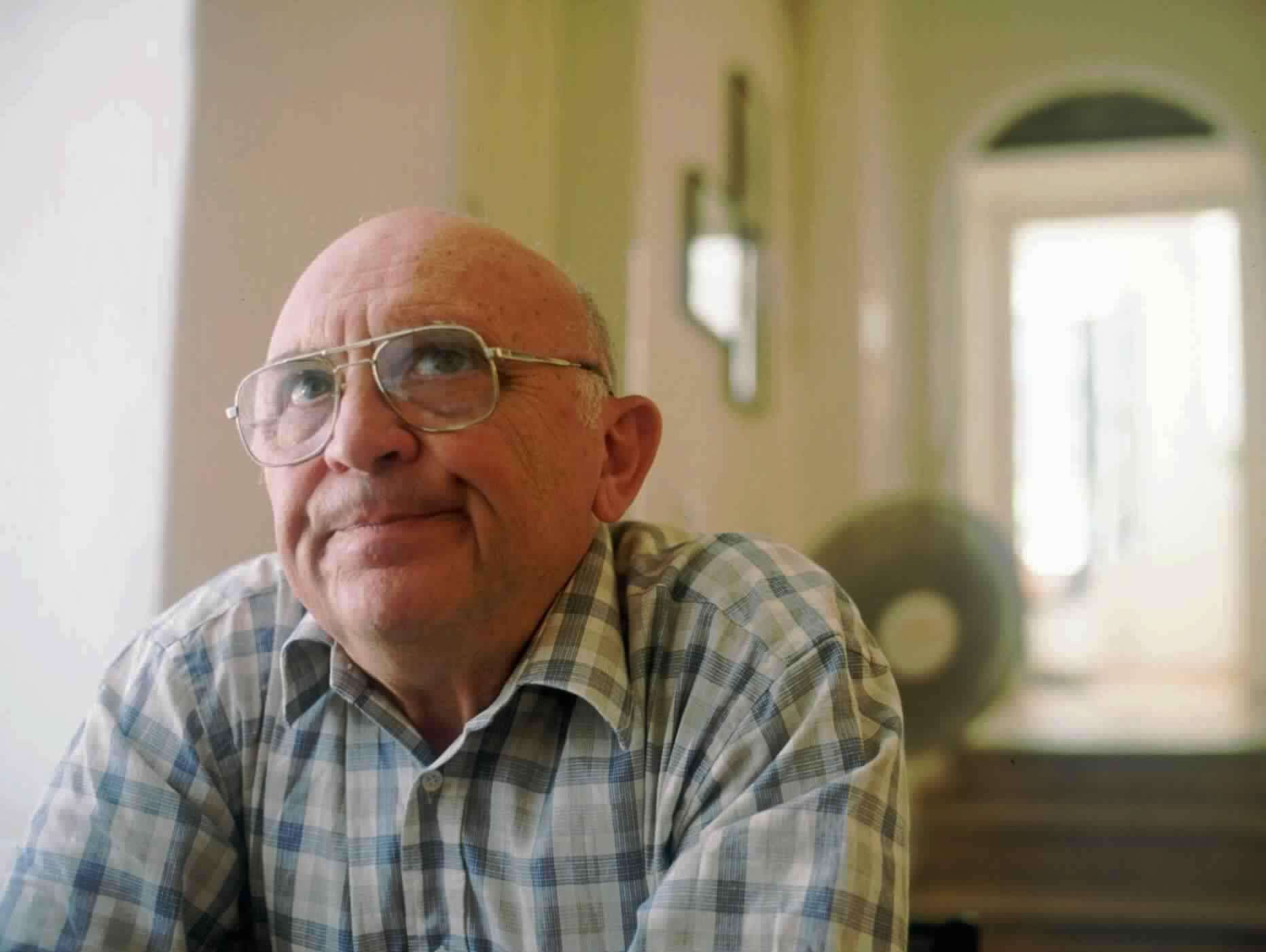
In this July 10, 1996 file photo, Israeli author Aharon Appelfeld sits in a Jerusalem cafe where he often worked on his novels in longhand. Appelfeld, esteemed Israeli novelist and Holocaust survivor who became among the country's leading voices in Holocaust literature, died Thursday, Jan. 4, 2018. He was 85.
AP Photo/Will Yurman, File via Alamy
Fidelity to a nation state is a form of betrayal of the universalistic vision at the core of Jewish faith.
We met in his favourite haunt, just off the Jaffa Road, a few days after the May 2003 suicide bombing on the number six bus. Outside there was dust and hustle and fear. But inside the Anna Ticho House it was cool and quiet, with only the sirens intermittently piercing the cafe’s calm reminder of an older Jerusalem. As we sat in the semi-gloom, it reminded me of one of those mittel-European coffee houses I’d grown up reading about, where writers and artists would gather to sit and smoke and schmooze, and maybe write a witty, mordant feuilleton for the papers when nothing else was happening. Though something else is, as we know, always happening.
I already knew Aharon Appelfeld’s story: the deportation to a camp when he was eight, his mother’s murder, his escape from the Germans, his three years in hiding in the forests of Ukraine, joining the partisans, and after the war the journey through Italy to Palestine. I knew that although he was one of Israel’s most important writers, he’d never written about the Holocaust directly, but always elliptically.
Get Instant Access
Continue Reading
Register for free to read this article in full
Subscribe for unlimited access
From just £37.50 quarterly
Print copy of The Tablet delivered directly to your door.
Complete access to all Tablet website content including all premium content.
Access to the weekly digital copy of The Tablet.
Full access to The Tablet’s archive – over 180 years of back issues.

Already a subscriber? Login

Help us keep The Tablet’s voice independent, clear and far-reaching.
Founded in 1840, The Tablet is the leading independent English-language Catholic weekly, celebrated for great writing, astute analysis, brilliant arts and books reviews and trustworthy reporting from correspondents in Britain, Ireland, Rome and across the world.
Independent, high-quality journalism is at the heart of what we do. The Tablet does not have deep pockets and we are not funded by rich donors. If you appreciate our work please consider supporting The Tablet’s Development Fund. It only takes a moment and you can cancel at any time.
- Support with £5 per month
- Support with £10 per month
- Support with other amount.