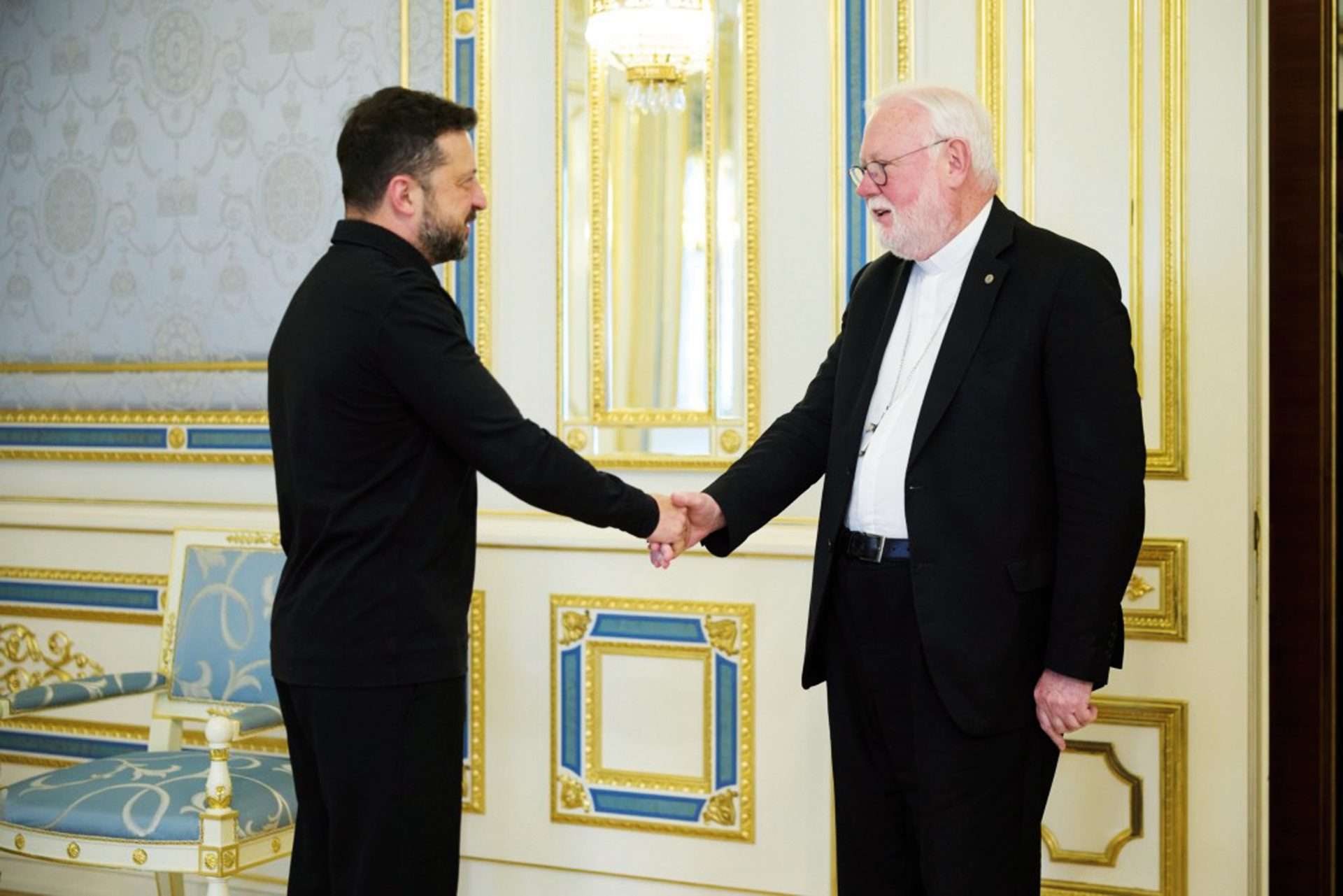
The search for truth is about becoming a certain kind of person and living a certain kind of life


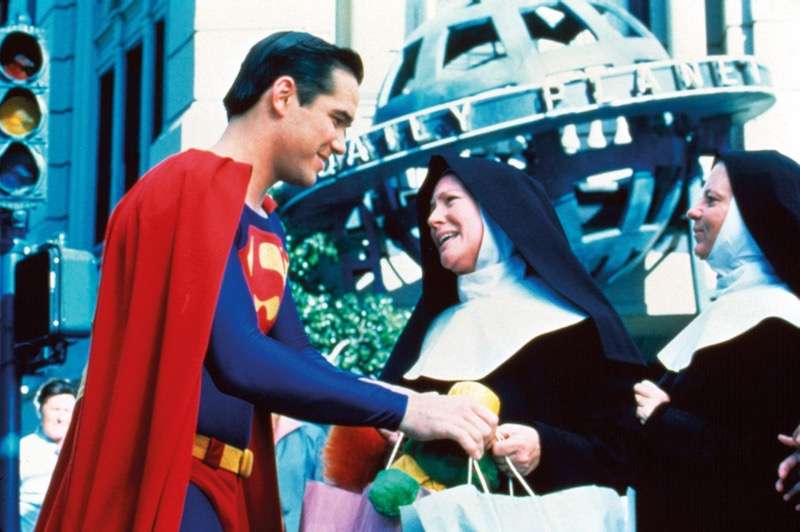
Surely it doesn’t take a superhero to bring personal contact into day-to-day life …
Alamy/Everett Collection
Being more connected than ever is, it seems, concomitant with being lonelier than ever. It is easy to imagine a future in which a real human presence has all the wonder of the appearance of an angel.
When I was very young, I was frightened and upset by the noise of a vacuum cleaner. My mother put her arm around it and said, “Nice Mr Vacuum Cleaner!” It worked! What was random became personal. I was able to relate to it. The person of my mother mediated sense. The personal touch was all-important in my learning. I learned from her personally that what surrounded me at that moment was not threatening. The fiction that the machine was a person enabled me to see the truth that I need not be afraid.
Nowadays we are surrounded by less maternal claims of personhood: bots impersonate some kind of loving presence that would solve our problems on the “help” pages on websites. Of course, the people who run businesses realise that we are happier talking to real people and so there are telephone numbers we can ring. But the people who answer the phone are looking at computer screens, as is evident from the way they say things like “I’ve nothing coming up” or “the system won’t let me do that”. The person is subordinate to the machine. Even if a real person is generating content on the internet, the machine delivers it in a way that generates the illusion that the receiver is the personally intended recipient: the interpersonal becomes the parasocial, storing up disappointment should there be an actual meeting.
Get Instant Access
Continue Reading
Register for free to read this article in full
Subscribe for unlimited access
From just £37.50 quarterly
Print copy of The Tablet delivered directly to your door.
Complete access to all Tablet website content including all premium content.
Access to the weekly digital copy of The Tablet.
Full access to The Tablet’s archive – over 180 years of back issues.

Already a subscriber? Login

Help us keep The Tablet’s voice independent, clear and far-reaching.
Founded in 1840, The Tablet is the leading independent English-language Catholic weekly, celebrated for great writing, astute analysis, brilliant arts and books reviews and trustworthy reporting from correspondents in Britain, Ireland, Rome and across the world.
Independent, high-quality journalism is at the heart of what we do. The Tablet does not have deep pockets and we are not funded by rich donors. If you appreciate our work please consider supporting The Tablet’s Development Fund. It only takes a moment and you can cancel at any time.
- Support with £5 per month
- Support with £10 per month
- Support with other amount.

MOST READ ARTICLES
-
1
Pope Leo diagnosed with lung cancer after operation
-
2
Breaking up … for now
-
3
The future lies with the laity
-
4
A tiny gem
-
5
Archbishop bars Catholics from firing squad for US military execution
-
6
Thousands arrested as Delhi locked down for protest over voter roll scandal
FROM THE EDITOR'S DESK