Nature’s natural historian


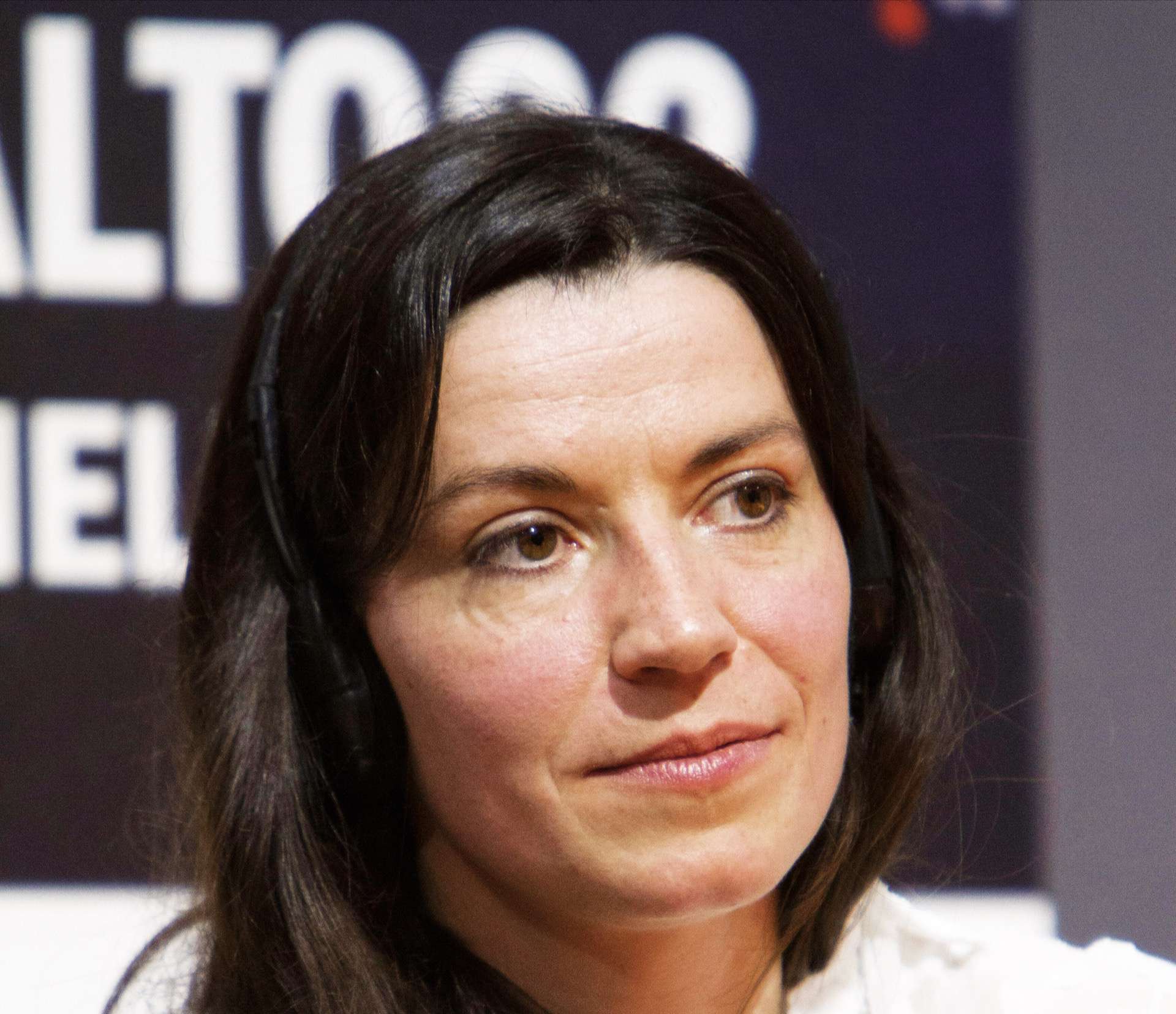
Cal Flyn
Alamy, Marco Destefanis
“Maybe I’d been stupid in approaching an active volcano as quickly as I did,” Cal Flyn confesses. To write about some of the remotest places in the world for The Savage Landscape, her new book exploring the place wilderness occupies in our cultural imagination, she felt it was crucial to travel to them herself, no matter how hard it would be to get there.
“As much as it’s a natural history, it’s also a history of an emotion – of this sublime response that we have to place. I felt strongly that I had to feel it, or else it would be entirely abstract.” Fear, for Flyn, is an intrinsic element of the sublime: “It’s what we’re looking for.” The book delves into the history of nature conservation, showing how closely it’s interwoven with aesthetic and cultural priorities that arose from the post-industrial urge to transcend the human.
Get Instant Access
Continue Reading
Register for free to read this article in full
Subscribe for unlimited access
From just £37.50 quarterly
Print copy of The Tablet delivered directly to your door.
Complete access to all Tablet website content including all premium content.
Access to the weekly digital copy of The Tablet.
Full access to The Tablet’s archive – over 180 years of back issues.

Already a subscriber? Login

Help us keep The Tablet’s voice independent, clear and far-reaching.
Founded in 1840, The Tablet is the leading independent English-language Catholic weekly, celebrated for great writing, astute analysis, brilliant arts and books reviews and trustworthy reporting from correspondents in Britain, Ireland, Rome and across the world.
Independent, high-quality journalism is at the heart of what we do. The Tablet does not have deep pockets and we are not funded by rich donors. If you appreciate our work please consider supporting The Tablet’s Development Fund. It only takes a moment and you can cancel at any time.
- Support with £5 per month
- Support with £10 per month
- Support with other amount.



