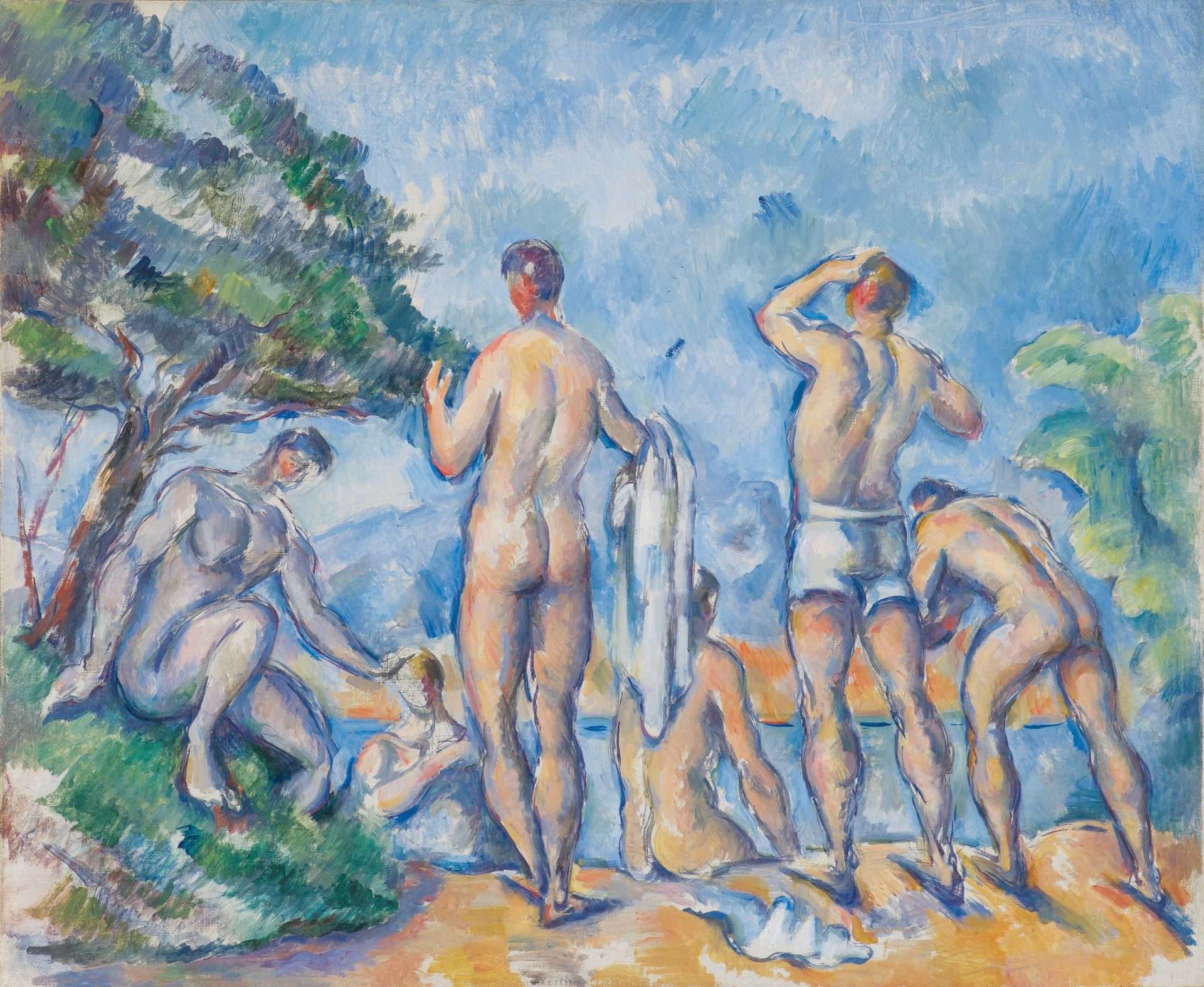
Until the nineteenth century Champagne with bubbles was not only unintentional but positively dangerous


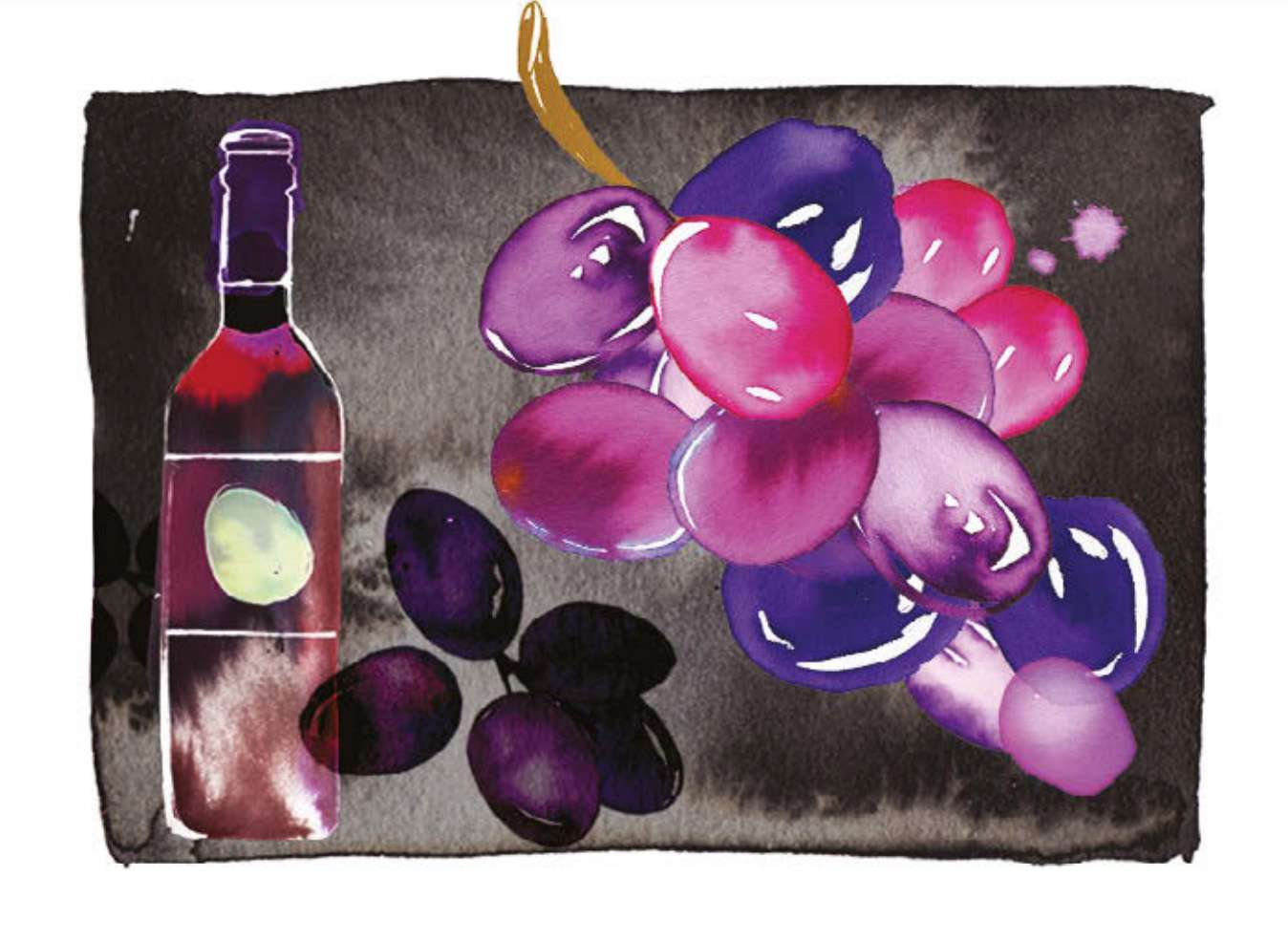
Until the nineteenth century Champagne with bubbles was not only unintentional but positively dangerous
Champagne without the bubbles would be unthinkable, but until the nineteenth century Champagne with the bubbles was not only unintentional but positively dangerous. The pressure of naturally effervescent young wine in such a cool climate frequently led to fragile glass bottles exploding, as the second fermentation took place during spring. Only in the nineteenth century, when stronger bottles were developed, did the technique now known as the méthode champenoise come into its own.
But long before the hazard of exploding bottles was averted, Champagne, often referred to as saute-bouchon or “cork popping” wine, became fashionable at the eighteenth-century French court, as well as among the English elite, who imported it in vast quantities. Notoriously, Philippe II, Duke of Orléans and Regent of France, served sparkling Champagne at his infamous petits soupers at the Palais Royal, of which, in Hugh Johnson’s account, the Duc de Richelieu observed: “The orgies never started until everyone was in that state of joy that Champagne brings.”
Get Instant Access
Continue Reading
Register for free to read this article in full
Subscribe for unlimited access
From just £37.50 quarterly
Print copy of The Tablet delivered directly to your door.
Complete access to all Tablet website content including all premium content.
Access to the weekly digital copy of The Tablet.
Full access to The Tablet’s archive – over 180 years of back issues.

Already a subscriber? Login

Help us keep The Tablet’s voice independent, clear and far-reaching.
Founded in 1840, The Tablet is the leading independent English-language Catholic weekly, celebrated for great writing, astute analysis, brilliant arts and books reviews and trustworthy reporting from correspondents in Britain, Ireland, Rome and across the world.
Independent, high-quality journalism is at the heart of what we do. The Tablet does not have deep pockets and we are not funded by rich donors. If you appreciate our work please consider supporting The Tablet’s Development Fund. It only takes a moment and you can cancel at any time.
- Support with £5 per month
- Support with £10 per month
- Support with other amount.

MOST READ ARTICLES
-
1
Church warns Zambian government against division after archbishop’s arrest
-
2
A craving for beauty
-
3
Breaking up … for now
-
4
The technological paradigm, AI and the human person
-
5
Bishops demand security investment to promote ‘common good’ in Nigeria
-
6
Rival church occupies Kyiv monastery in latest blow to Moscow-linked Orthodox
FROM THE EDITOR'S DESK