Of all the things I learned 50 years ago about how planets formed, one idea has surprisingly stood the test of time


Of all the things I learned 50 years ago about how planets formed, one idea has surprisingly stood the test of time
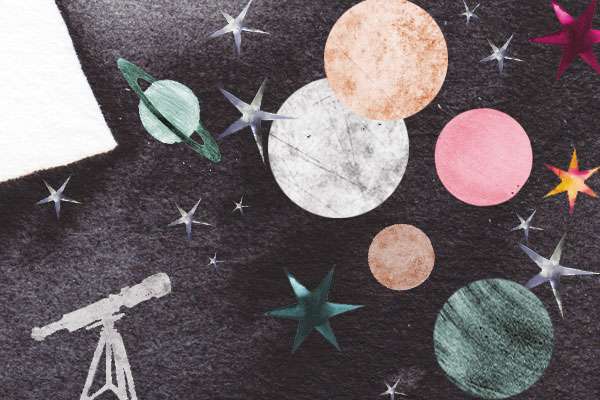
We believed back then that the sun and planets formed together out of a spinning disc of gas and dust. Now the Webb Space Telescope has actually given us edge-on views of discs just like we imagined, caught in the act of making themselves into new solar systems.
Meteorites, material from that early epoch of the solar system, have been the focus of my research for those last 50 years. My colleagues and I have collected data for the density, porosity, and many other physical properties for thousands of these space rocks. Rocks. And there’s the rub. Why are they rocks – very well compacted, hard-as-rock rocks?
Our data let us quantify just how well packed our meteorites are: very well packed, for the most part. Typically, meteorites are made from bits of dust, finer than flour, so well packed together that they’ve become solid rock. But if meteorites came from a cloud of gas and dust, what turned the dust into rock? Where did that happen? How did that happen? As one colleague asked me soon after we’d published our first measurements, why do we have meteorites instead of porous dust bunnies?
Get Instant Access
Continue Reading
Register for free to read this article in full
Subscribe for unlimited access
From just £37.50 quarterly
Print copy of The Tablet delivered directly to your door.
Complete access to all Tablet website content including all premium content.
Access to the weekly digital copy of The Tablet.
Full access to The Tablet’s archive – over 180 years of back issues.

Already a subscriber? Login

Help us keep The Tablet’s voice independent, clear and far-reaching.
Founded in 1840, The Tablet is the leading independent English-language Catholic weekly, celebrated for great writing, astute analysis, brilliant arts and books reviews and trustworthy reporting from correspondents in Britain, Ireland, Rome and across the world.
Independent, high-quality journalism is at the heart of what we do. The Tablet does not have deep pockets and we are not funded by rich donors. If you appreciate our work please consider supporting The Tablet’s Development Fund. It only takes a moment and you can cancel at any time.
- Support with £5 per month
- Support with £10 per month
- Support with other amount.

MOST READ ARTICLES
-
1
The Tablet poem
-
2
Battling confession fatigue
-
3
Pope Leo announces operation to remove growth in lung
-
4
Catholic Social Teaching and universities
-
5
Nigerian first lady suffered death threat for practising Christian faith
-
6
Refugees admire ‘talent’ and ‘understanding of the topic’ of young competition winners
FROM THE EDITOR'S DESK