When home is the most dangerous place


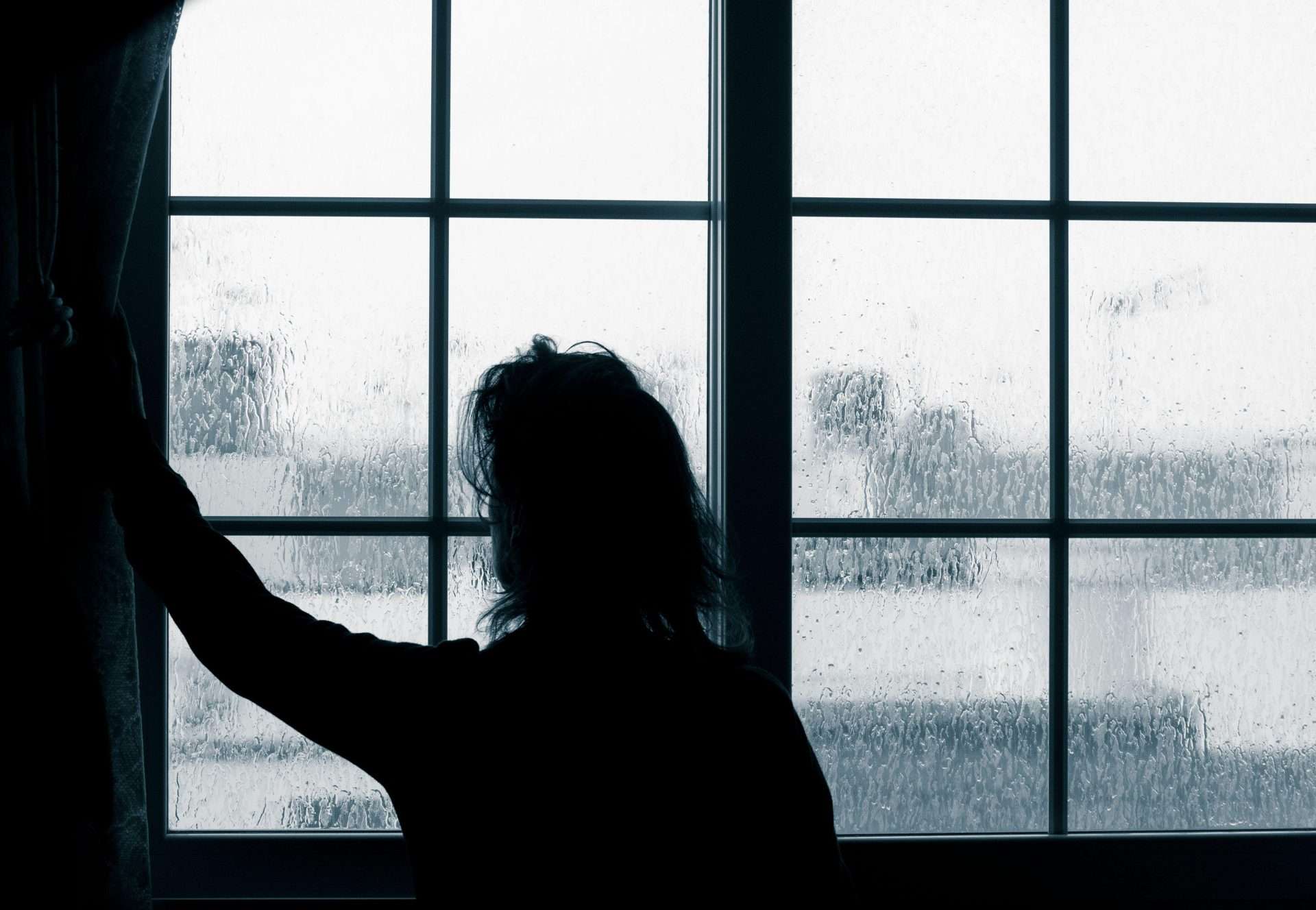
This year marks the tenth anniversary of the Day of Prayer for Victims and Survivors of Abuse, which was established by Pope Francis, following a proposal from the Pontifical Commission for the Protection of Minors. It is a day to acknowledge harm that has been perpetrated and to pray for healing.
Content warning: this article contains information about domestic abuse and harm against women which some readers may find distressing.
This year marks the tenth anniversary of the Day of Prayer for Victims and Survivors of Abuse, which was established by Pope Francis, following a proposal from the Pontifical Commission for the Protection of Minors. It is a day to acknowledge harm that has been perpetrated and to pray for healing.
This year, the day was marked in England and Wales on 5 May, and for the first time the focus is on victims and survivors of domestic abuse. Later in the month, we will mark the feast of St Rita of Cascia, patron saint of abused women, making May a month of prayer and reflection for all those affected.
In the UK one in four women and one in six to seven men are subjected to domestic abuse in their lifetime; those numbers are double for Deaf and disabled people. Research has shown that domestic abuse is just as common in Christian church communities. This means almost certainly in every one of our parishes, you could be sharing a pew with victims and survivors – and perhaps perpetrators of domestic abuse.
Domestic abuse can be perpetrated in many different ways, making it sometimes hard to recognise, even for the people being subjected to it. Coercive control, which has been recognised in criminal law since 2015, is the umbrella under which the different kinds of domestic abuse are perpetrated. Often an abuser will use little or no physical violence, but the abuse can still be extremely dangerous. Whichever tactics are used, the aim of the abuse is to control victims and trap them.
Studies suggest that 95 per cent of domestic abuse cases involve economic abuse. Preventing or discouraging a victim from earning their own income, creating fraudulent or coerced debt in their name, or keeping all the family money, making the victim account for every penny or beg for enough money to buy food or nappies for children. In whichever form, economic abuse aims to prevent victims from having any financial independence. It is one of the most effective ways of preventing escape.
Earlier this year, I worked with “Anne.”[1] She described how she finally managed to escape from her dangerous husband, who had intentionally destroyed her credit rating with debt. Wrapped up in her coat, trying to keep warm, she was speaking to me over the internet from her temporary accommodation. Since escaping she has been struggling financially, while managing her trauma. “It feels like I’ve forgotten how to feel hope” she tells me.
Many of the victims/survivors I work with are in similar situations to Anne. While domestic abuse can and does affect men as well, we know that victims are disproportionately women. The gender divide widens when we consider violent or fatal abuse, or the use of sexual violence. Every five days, somewhere in the UK, a woman is murdered by her partner or ex-partner. In late 2024, the world was shaken by the case of Gisèle Pelicot, who for ten years was drugged by her husband. In addition to sexually assaulting her while she was unconscious, he invited men he had met online to do the same, filming the assaults. One of the many shocking things about this case, is the fact that most of the 51 men convicted of assaulting her came from within a twenty-mile radius of their home. He did not need to look far to find men willing to come to his house to assault his unconscious wife.
Shortly after the publication of her powerful memoire “Et la joie de vivre” (“A Hymn to Life”) a CNN investigation made a shocking discovery: a pornography website was discovered, part of which contains an “academy” that teaches men how to drug their wives or partners in order to sexually assault them. According to the report, the website had received 62 million visits over the space of a month. While not all of these were engaging with the so-called academy, it suggests that what happened to Mme. Pelicot may be horrifically common.
The Pope has said that we must take action to support women subjected to violence, reporting it “without fear.” Faced with such horrifying statistics, we may wonder what action we can take. For those wishing to support victims and survivors, the Catholic Church in England and Wales has a number of resources which are available from Safe in Faith. Safe in Faith is a project of Caritas Hope. It provides free training for Catholic clergy safeguarding volunteers, parishes and schools on domestic abuse and trauma. The “Ask for Mary” project equips parish offices as safe spaces where any person in danger at home can use the phone and internet to call for help.
While supporting victims and survivors and their children is vital, to paraphrase Archbishop Desmond Tutu, we cannot just keep pulling people out of the river. We need to look upstream and ask why they keep falling in. All of us who are part of structures which sustain gender inequality need to ask how we might be contributing to a society where violence against women is so common, and what we can do to create cultural change in our communities. The organisation Restored UK tells us that we can become an “act of Grace” for a survivor of abuse. We can do that in many ways, by supporting individual survivors, or organisations like those mentioned in this article. We can also be acts of Grace by working for equality and justice in our parish and social communities, helping to make them safer for future generations. It might be too late to prevent harm for women like Anne, but perhaps through being acts of Grace for them, we can in some way be a reminder of hope.
For urgent support: National Domestic Abuse Helpline 0808 2000 247 If you or someone else is in immediate danger, call 999.
Nikki Dhillon Keane is the founder of Caritas Hope. She is a Catholic psychotherapist and author of “Domestic Abuse in Church Communities: A Safe Pastoral Response” (Redemptorist)
[1] Names have been changed
Login
Please login to comment
0 Comments
Oldest

Help us keep The Tablet’s voice independent, clear and far-reaching.
Founded in 1840, The Tablet is the leading independent English-language Catholic weekly, celebrated for great writing, astute analysis, brilliant arts and books reviews and trustworthy reporting from correspondents in Britain, Ireland, Rome and across the world.
Independent, high-quality journalism is at the heart of what we do. The Tablet does not have deep pockets and we are not funded by rich donors. If you appreciate our work please consider supporting The Tablet’s Development Fund. It only takes a moment and you can cancel at any time.
- Support with £5 per month
- Support with £10 per month
- Support with other amount.

MOST READ ARTICLES
-
1
Pope Leo diagnosed with lung cancer after operation
-
2
Breaking up … for now
-
3
The future lies with the laity
-
4
A tiny gem
-
5
Archbishop bars Catholics from firing squad for US military execution
-
6
Thousands arrested as Delhi locked down for protest over voter roll scandal
FROM THE EDITOR'S DESK