Finding hope in Ethiopia, where people of faith pray just to get through another day


Alamy
In March this year, I was due to visit Ethiopia, and the war-torn Tigray region, but at the last moment, it looked like the trip may be called off. This was because only ten days prior, in the Tigray region where I was meant to go, a dissident faction of the Tigray People’s Liberation Front seized some key offices and a radio station
There was a tense wait to see whether the British Embassy would approve a visa, and in the end they allowed a limited one, restricted to Mekelle, the capital of the region. The Tigray region was battered by a civil war between 2020 and 2022, fought between the Ethiopian army and the Tigray People‘s Liberation Front that left approximately 600,000 dead and an estimated 15 per cent of the region’s seven million people internally displaced. Further, tensions are clearly still incredibly high.
It was Cafod who invited me to visit Ethiopia. The main purpose of my trip was to build solidarity with the church there and encourage Cafod Ethiopia’s team. I was inspired and humbled by the vibrancy and beauty of the Ethiopian church, particularly at a time when the country is grappling with great hardship. My trip was packed with visits to many amazing projects, and I want to share with you a few of these experiences.
The Daughters of Charity were my hosts for my time in Tigray. My arrival coincided with a heavy and prolonged rain shower. The people were delighted and attributed the rain to God, as a blessing on my visit. I claimed no credit but joined them in thanking God for this welcome gift.
The afternoon included a visit to a large school complex, now sheltering over 3,000 displaced persons from the northern and western areas of Tigray, living in very poor conditions. Many of them were taking advantage of the rain to gather drinking water as well as using it to wash clothes and bedding. It struck me that while they would be happy to see the rain, it would inevitably turn their thoughts to their homes and fields, now occupied by Eritrean forces.
From here we travelled a short distance to a school run by the Daughters of Charity where, after the obligatory traditional coffee drinking rituals, we had a presentation of their work supporting women and girls who have suffered appalling atrocities committed by the Eritrean army which continues to occupy a quarter of the Tigray area. When I was invited to respond to the presentation, I found myself moved to tears and unable to speak for some time.
During my trip, I also had the chance to meet with Abune Bishop Tesfasselacy, Bishop of Tigray. We went on to visit a safe house for women and girls affected by war and violence. In the afternoon we travelled to the outskirts of the city to a camp of more than 16,000 internally displaced persons, where we spent time listening to a group of women and girls engaged in crafts. The UN run camp has suffered from the withdrawal of aid agencies due to loss of international funding. Water is brought in once a week. Flour has been rationed to 1kg per family for the month. This is set to be reduced even more.
At a later meeting with the interfaith leaders working together to promote justice and healing in the region, I was struck by one comment on how people had come to fear the sight of birds in flight because they associate them with drones carrying explosives. Fear seems to be normal part of life here.
In this Jubilee Year of Hope it is a challenge to learn of so many places where hope is being taken away from people. It is an even greater challenge to visit such places and people for a brief time and see what little hope they have being diminished. The hope they have left is firstly for their families, for shelter, for food and clean water, for security and care for their children and elderly. My years in Zambia were mostly peaceful but still showed me people who often find themselves on the edge of life due to harsh climate, unreliable rains and lack of basic amenities. My visit to South Sudan showed me a people with added difficulties, notably the tragedy of war and its consequences. Difficult circumstances become impossible circumstances to live in.
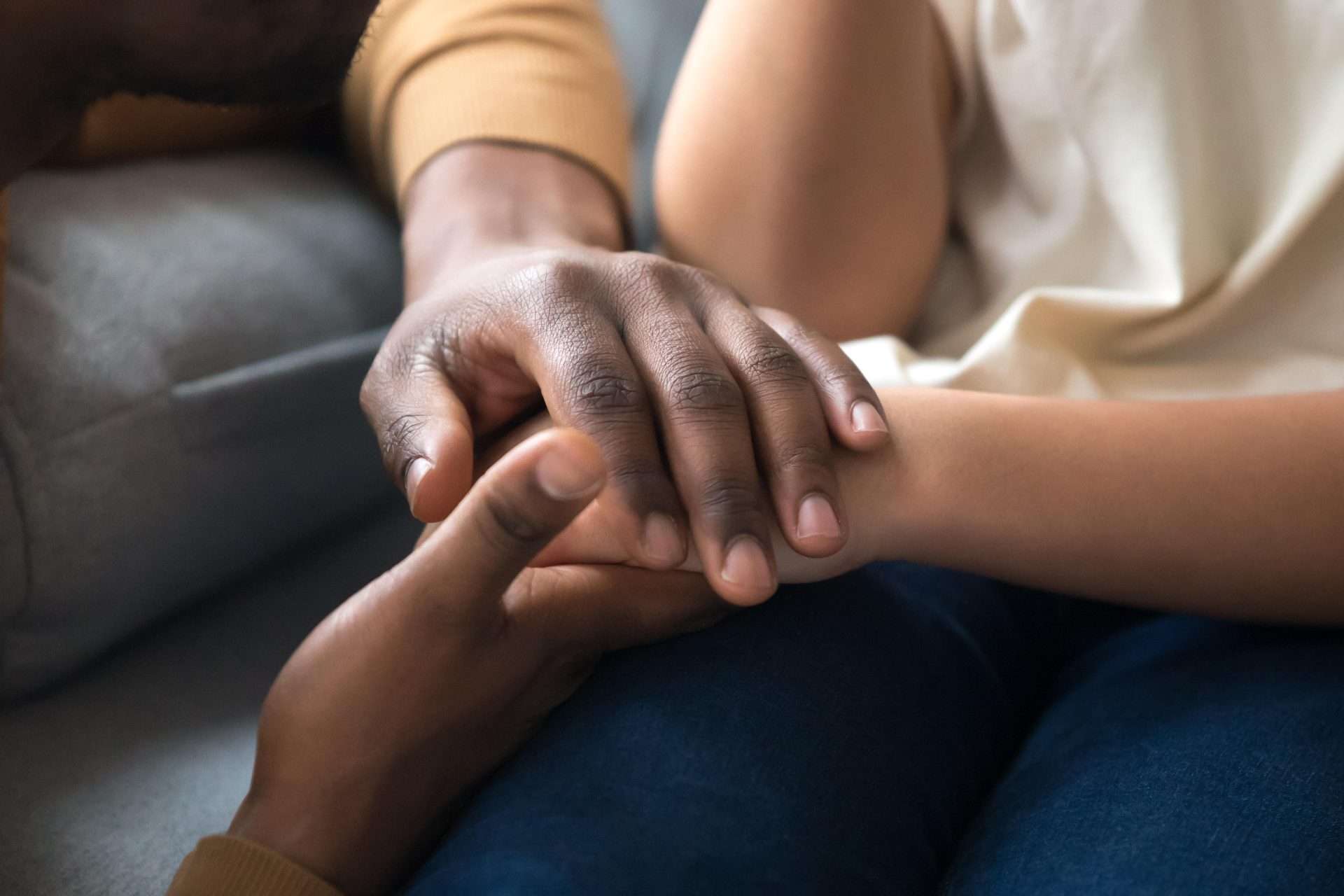
And yet, the human spirit still searches for something, or someone, to be a reason for hope, no matter how fragile. There is value in remaining by someone’s side even as conditions deteriorate, hard though it is to witness. I have tried, briefly, to sit by such people, and felt very useless. But it is what it means to them that holds the key. Most of them are people of faith, and faith becomes a prayer that gets them through another day. Tomorrow is too much to hope for.
Tragically, even their hope for today is under threat. What can be done? A miracle is needed, and I don’t do miracles. But God does, and he asks us to be part of them. Can He use us in some way to keep someone else’s daily hope alive? I have seen that happen in Zambia, in South Sudan and Ethiopia.
But even here the Church is alive, proclaiming and living the Gospel, often despite dire circumstances. Catholic organisations such as Cafod who selflessly continue to provide aid despite military incursions and funding cuts are valued highly. Its work is directly relevant to the needs of the vulnerable and damaged and is playing a crucial a role in sharing that healing as possible.
My lasting impression is that Ethiopia is a proud nation with a rich cultural history of independence and the Church is at the heart of the country’s identity. It has much that is good and beautiful and that it is inspiring when shared with us. Yet, as recent events remind us, its people continue to face immense challenges that often go unnoticed in global headlines: the ongoing conflict in the Amhara region that has resulted in significant civilian suffering, drone strikes causing numerous casualties and the recent freeze of USAID funding disrupting essential services, leaving millions without access to food aid and healthcare.
It is incumbent upon us to not only admire Ethiopia’s rich heritage but also to stand in solidarity with its people, acknowledging their struggles and amplifying their voices. May we continue to learn from their unwavering spirit and offer our support in their pursuit of peace and justice.
The Right Rev Paul Swarbrick is Bishop of Lancaster.
Login
Please login to comment
0 Comments
Oldest

Help us keep The Tablet’s voice independent, clear and far-reaching.
Founded in 1840, The Tablet is the leading independent English-language Catholic weekly, celebrated for great writing, astute analysis, brilliant arts and books reviews and trustworthy reporting from correspondents in Britain, Ireland, Rome and across the world.
Independent, high-quality journalism is at the heart of what we do. The Tablet does not have deep pockets and we are not funded by rich donors. If you appreciate our work please consider supporting The Tablet’s Development Fund. It only takes a moment and you can cancel at any time.
- Support with £5 per month
- Support with £10 per month
- Support with other amount.

MOST READ ARTICLES
-
1
The Tablet poem
-
2
Battling confession fatigue
-
3
Pope Leo announces operation to remove growth in lung
-
4
Catholic Social Teaching and universities
-
5
Nigerian first lady suffered death threat for practising Christian faith
-
6
Refugees admire ‘talent’ and ‘understanding of the topic’ of young competition winners
FROM THE EDITOR'S DESK