Wigmore Hall: small space, big ideas


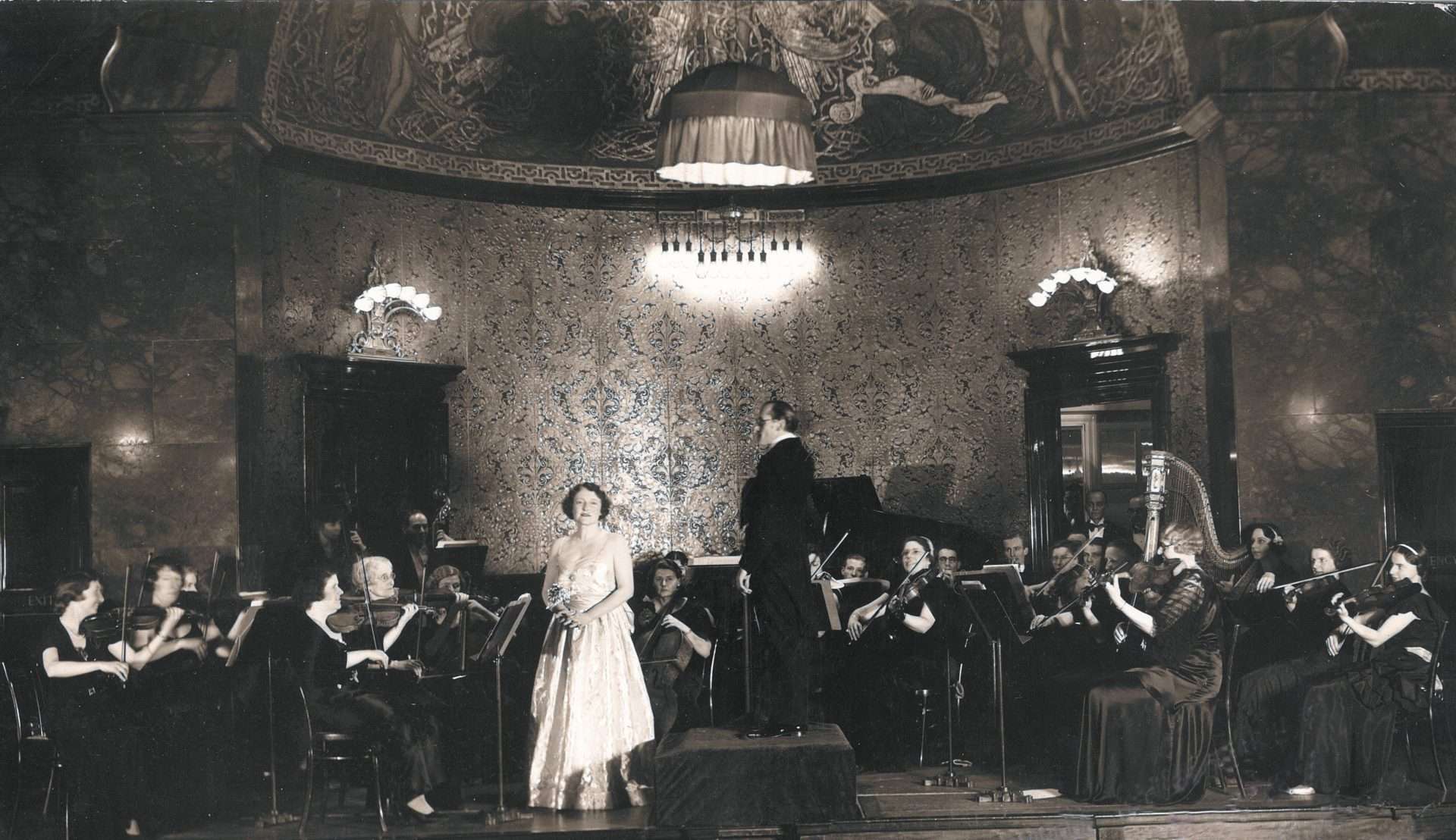
A concert at Wigmore Hall in 1938
WIGMORE HALL
In the past decade it has sold 200,000 seats at £5 each to under-25s. Some have gone on to become donors. Gilhooly says: “One young couple who could only afford to come here 10 years ago because of our £5 tickets now give us £50,000 a year.”
It was a midweek evening in October 1914 when the curtain rose on the first concert of the First World War at London’s Wigmore Hall. Back then, the venue was called the Bechstein Hall after its owners, the elite firm of piano makers. The audience that night listened to music by Schumann and Brahms, and the chords were accompanied by the gentle click-clicking of knitting needles. Many women in the audience were doing their bit for the war effort, and had brought along the items they were making for the troops at the front. But it was an event laced with irony: the socks being knitted would go to British troops now fighting Germans. The Bechsteins were German: and so too were Schumann and Brahms.
Get Instant Access
Continue Reading
Register for free to read this article in full
Subscribe for unlimited access
From just £37.50 quarterly
Print copy of The Tablet delivered directly to your door.
Complete access to all Tablet website content including all premium content.
Access to the weekly digital copy of The Tablet.
Full access to The Tablet’s archive – over 180 years of back issues.

Already a subscriber? Login

Help us keep The Tablet’s voice independent, clear and far-reaching.
Founded in 1840, The Tablet is the leading independent English-language Catholic weekly, celebrated for great writing, astute analysis, brilliant arts and books reviews and trustworthy reporting from correspondents in Britain, Ireland, Rome and across the world.
Independent, high-quality journalism is at the heart of what we do. The Tablet does not have deep pockets and we are not funded by rich donors. If you appreciate our work please consider supporting The Tablet’s Development Fund. It only takes a moment and you can cancel at any time.
- Support with £5 per month
- Support with £10 per month
- Support with other amount.

MOST READ ARTICLES
-
1
Pope Leo diagnosed with lung cancer after operation
-
2
Battling confession fatigue
-
3
The Tablet Lecture 2026: Keeping the dream of peace alive
-
4
Vatican confirms Pope’s Latin America travel plans despite operation
-
5
Under endless skies
-
6
Nicaraguan bishops visit Rome as Ortega regime tightens grip
FROM THE EDITOR'S DESK


