The redemptive power of painting


This small but powerful exhibition examines divine transgression through the National Gallery’s – thoroughly Catholic – collection, says Laura Gascoigne
This small but powerful exhibition examines divine transgression through the National Gallery’s – thoroughly Catholic – collection
Ideas of right and wrong are not fixed like compass points; they shift with the times, and one generation’s “moral compass” isn’t necessarily inherited by the next. To a generation raised on a TV diet of Millionaire, Bake Off, Love Island, Keeping Up with the Kardashians, Gogglebox and the venting echo chamber that is social media, the list of Seven Deadly Sins compiled by Pope Gregory the Great in 590 AD – pride, greed, lust, envy, gluttony, wrath and sloth – may well sound antiquated.
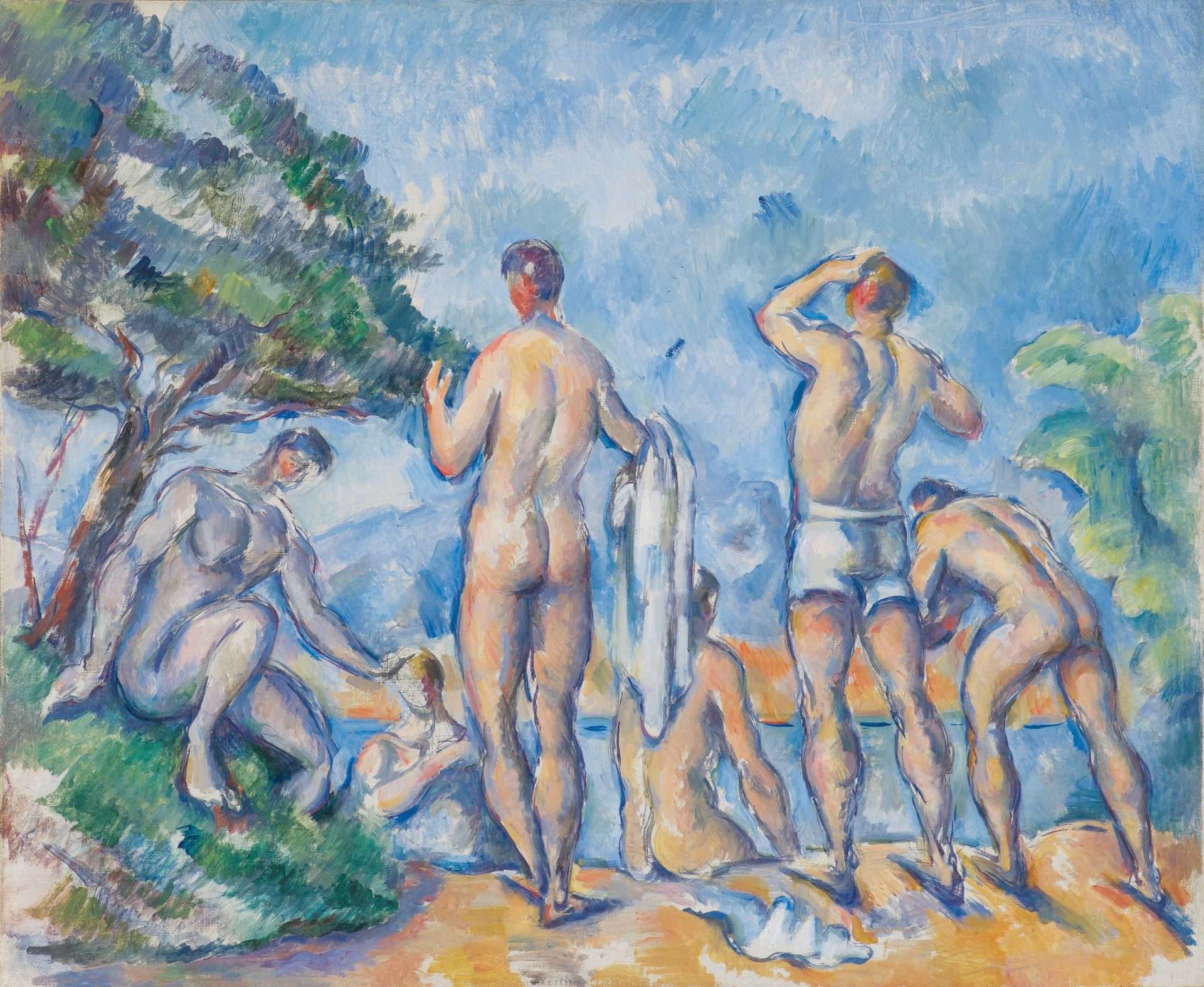
So it’s courageous of the National Gallery – whose director, Gabriele Finaldi, is a practising Catholic – to open this rusty can of worms with a free exhibition devoted to “Sin” (until 3 January 2021). The creation of Dr Joost Joustra, the gallery’s Howard and Roberta Ahmanson Fellow in Art and Religion, this small show brings together a dozen works from the National’s holdings with a couple of loans – for the bigger picture you must turn to the accompanying book. Given the collection’s history, the concept of sin represented is thoroughly Christian. “The National Gallery is to a very large extent a Catholic collection,” Joustra admits, “but it speaks to a lot of visitors. It’s a cliché, but pictures speak louder than words.”
Get Instant Access
Continue Reading
Register for free to read this article in full
Subscribe for unlimited access
From just £37.50 quarterly
Print copy of The Tablet delivered directly to your door.
Complete access to all Tablet website content including all premium content.
Access to the weekly digital copy of The Tablet.
Full access to The Tablet’s archive – over 180 years of back issues.

Already a subscriber? Login

Help us keep The Tablet’s voice independent, clear and far-reaching.
Founded in 1840, The Tablet is the leading independent English-language Catholic weekly, celebrated for great writing, astute analysis, brilliant arts and books reviews and trustworthy reporting from correspondents in Britain, Ireland, Rome and across the world.
Independent, high-quality journalism is at the heart of what we do. The Tablet does not have deep pockets and we are not funded by rich donors. If you appreciate our work please consider supporting The Tablet’s Development Fund. It only takes a moment and you can cancel at any time.
- Support with £5 per month
- Support with £10 per month
- Support with other amount.

MOST READ ARTICLES
-
1
Church warns Zambian government against division after archbishop’s arrest
-
2
Breaking up … for now
-
3
A craving for beauty
-
4
The technological paradigm, AI and the human person
-
5
Bishops demand security investment to promote ‘common good’ in Nigeria
-
6
Rival church occupies Kyiv monastery in latest blow to Moscow-linked Orthodox
FROM THE EDITOR'S DESK