Exhibition: Rothko and the Renaissance


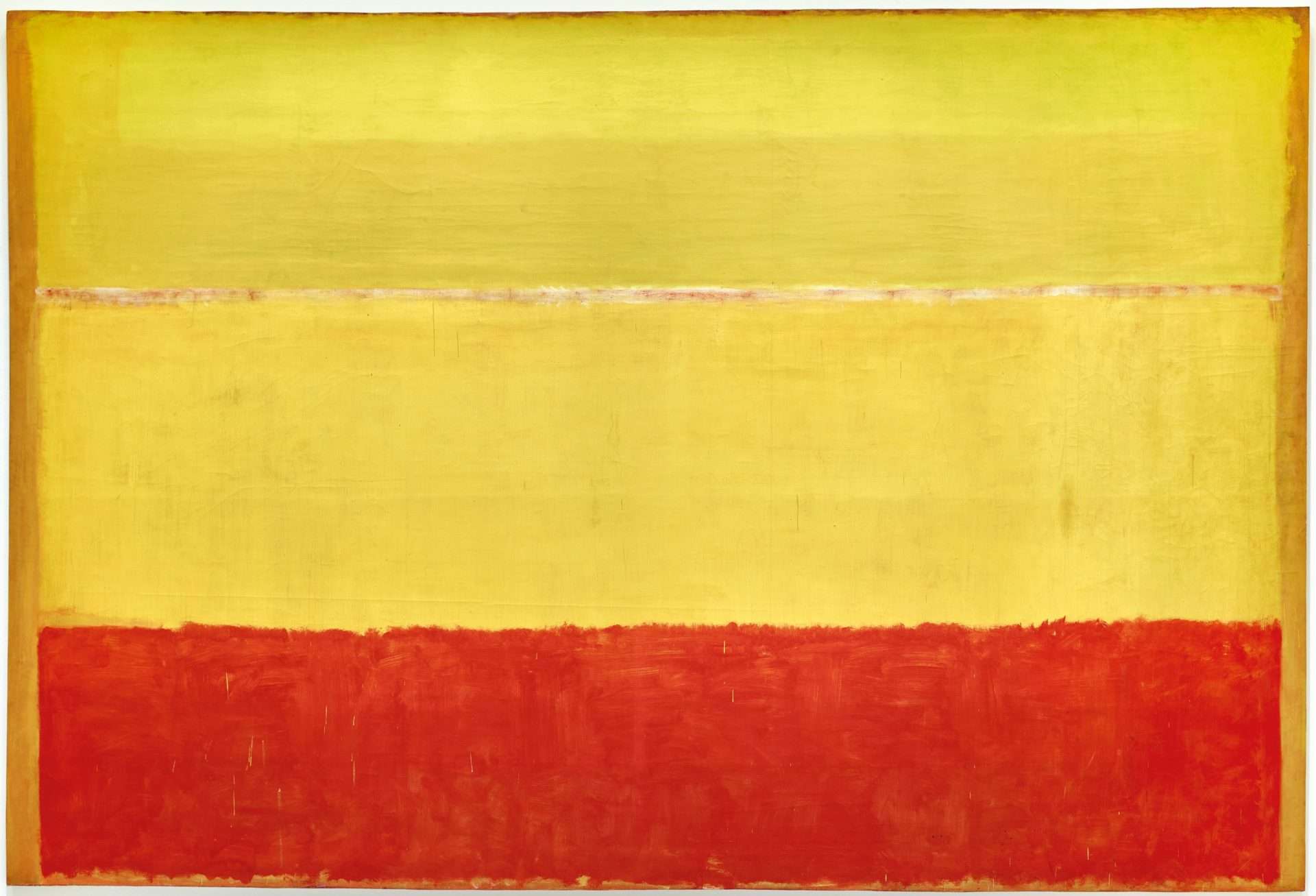
Cutting to the essence of Fra Angelico: Mark Rothko, Untitled, (1952–53).
© FMGB GUGGENHEIM BILBAO MUSEOA
Rothko, who died in 1970, went on to become a defining artist of the 20th century: so it was a genius move to place some of his works in the cells where he first saw Fra Angelico’s luminous gospel scenes.
San Marco in Florence has been a museum since the 19th century, but in many ways it’s never stopped being the 15th-century Dominican monastery it originally was. One of its first friars was Fra Angelico, who would go on to become a defining artist of the Renaissance. An artistic pioneer – he focused on space and perspective – he was also, to his core, a believer in God. His works were created, icon like, as prayers in themselves, designed to focus meditation and spiritual contemplation in their viewers, who were his brother monks. Many of his finest works are frescoes painted on the walls of their cells.
Get Instant Access
Continue Reading
Register for free to read this article in full
Subscribe for unlimited access
From just £37.50 quarterly
Print copy of The Tablet delivered directly to your door.
Complete access to all Tablet website content including all premium content.
Access to the weekly digital copy of The Tablet.
Full access to The Tablet’s archive – over 180 years of back issues.

Already a subscriber? Login

Help us keep The Tablet’s voice independent, clear and far-reaching.
Founded in 1840, The Tablet is the leading independent English-language Catholic weekly, celebrated for great writing, astute analysis, brilliant arts and books reviews and trustworthy reporting from correspondents in Britain, Ireland, Rome and across the world.
Independent, high-quality journalism is at the heart of what we do. The Tablet does not have deep pockets and we are not funded by rich donors. If you appreciate our work please consider supporting The Tablet’s Development Fund. It only takes a moment and you can cancel at any time.
- Support with £5 per month
- Support with £10 per month
- Support with other amount.

MOST READ ARTICLES
-
1
Would the Church miss us?
-
2
Nicaraguan bishops visit Rome as Ortega regime tightens grip
-
3
Leo pleas for besieged Ukrainian town in call with Putin
-
4
Under endless skies
-
5
Church from the 1950s receives £1 million government grant for new roof
-
6
Battling confession fatigue
FROM THE EDITOR'S DESK